2026 Best Core Pulling Mold Options for Efficient Production Techniques?
In the quest for efficient production, Core Pulling Mold options play a pivotal role. The right mold can significantly enhance productivity in various industries, particularly in manufacturing. Choosing from the 2026 best options requires careful consideration.
Core Pulling Molds facilitate the creation of complex shapes. They simplify the mold-making process, allowing for quicker turnaround times. However, not all molds are created equal. Some may not fit specific production needs, leading to inefficiencies. Exploring various designs and materials can be overwhelming yet crucial for success.
While new technologies emerge, challenges persist. Many businesses struggle to adapt. Identifying the right Core Pulling Mold can be a trial-and-error process. It demands patience and reflection. Finding the best match could ultimately transform production techniques.
Overview of Core Pulling Molds and Their Importance in Manufacturing
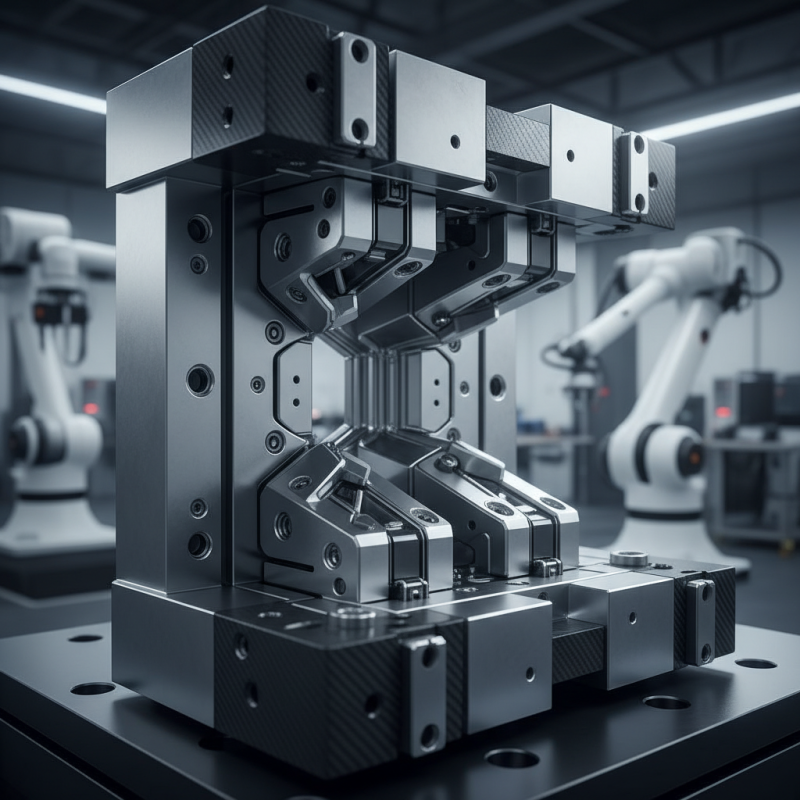
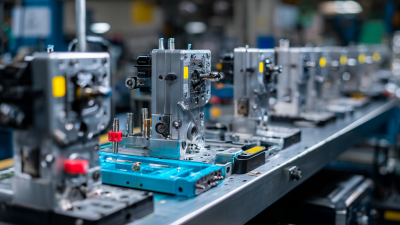
Core pulling molds play a crucial role in manufacturing processes. They allow for the efficient production of complex shapes. By facilitating the removal of cores, they help achieve greater precision. This is vital in industries like automotive and aerospace.
Using the right core pulling mold can improve production techniques significantly. Consider the design of your mold; it should match your specific product requirements. Pay attention to the material used in the mold. The right choice can enhance durability and reduce manufacturing costs.
Tips: Always keep a backup mold ready. This prevents delays during production. Regular maintenance of molds is essential. Small issues can lead to larger problems if not addressed. Evaluate your current molds. Are they meeting your production needs? Identify gaps and be open to exploring better options.
Types of Core Pulling Molds: Materials and Design Considerations
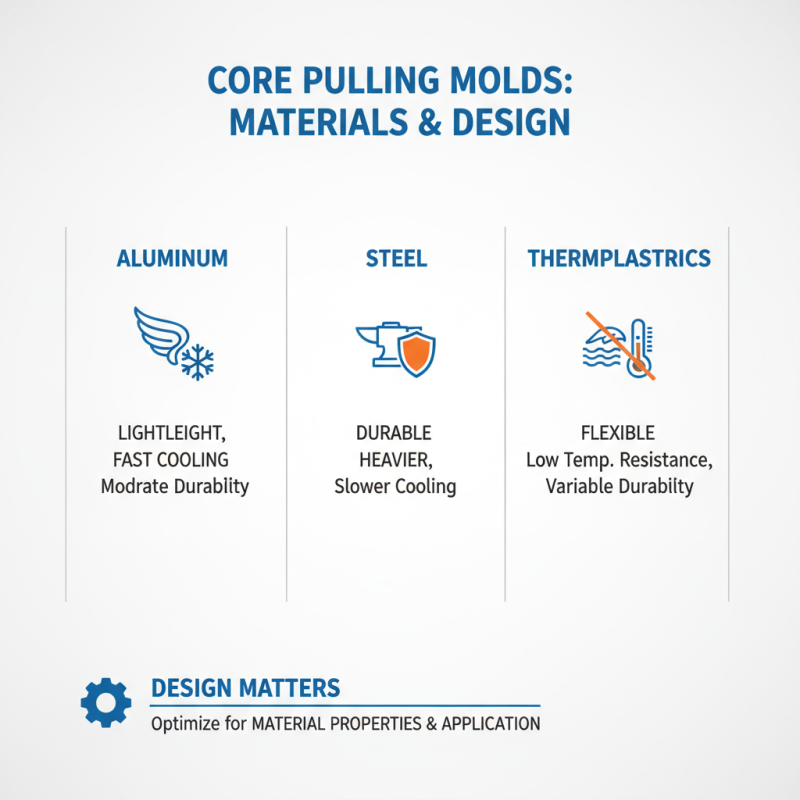
When selecting core pulling molds, material choice and design matter significantly. Common materials include aluminum, steel, and thermoplastics. Each has its pros and cons. Aluminum molds offer lighter weight and quicker cooling. Steel molds are durable but heavier. Thermoplastics can enhance flexibility but may not withstand high temperatures.
Design considerations are essential for efficiency. Cooling channels, thickness, and venting must be carefully evaluated. Poorly designed molds can lead to defects. This affects overall production quality. Some designs may seem efficient but may cause delays or added costs. Reflect on past projects. Could better designs have improved outcomes?
**Tips:** Prioritize simplicity in design. Complex molds often create problems. Test prototypes before full production. Iterate designs based on feedback. Avoid rushing into manufacturing. A well-thought-out plan saves time and resources. Always consider future scalability as well.
Techniques for Optimizing Core Pulling Mold Performance
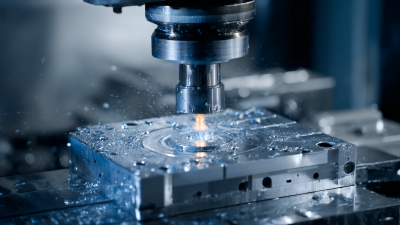
Optimizing core pulling mold performance is crucial for efficient production techniques. The right mold design plays a significant role in streamlining processes. Simplicity can make a profound difference. Having fewer parts reduces assembly errors. This also lowers the chance of defects during production.
Proper cooling channels are vital. They minimize cycle times and improve the quality of outputs. However, miscalculations can lead to uneven cooling. This often results in warping or other defects. Engineers need to account for various factors, such as material properties and environmental conditions.
Regular maintenance of molds is another key factor. Wear and tear can affect mold efficiency. Operators may overlook minor damages, leading to major issues later. Performing routine checks can help catch these problems early. Ultimately, optimizing core pulling molds requires attention to detail and continuous improvement. Fine-tuning processes may feel tedious, but it pays off in the long run.
Future Trends in Core Pulling Mold Technology and Production Efficiency
The landscape of core pulling mold technology is evolving quickly. Innovations focus on enhancing production efficiency while reducing costs. Advances aim to streamline processes, but challenges remain. Not all facilities can adapt rapidly. Some may struggle with outdated equipment, impacting productivity and effectiveness.
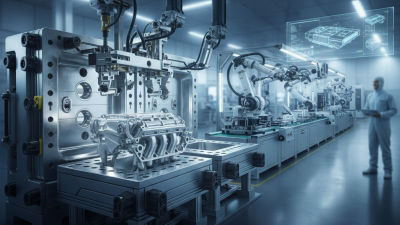
Integrating automation is a promising trend. Automated systems can reduce labor costs and improve precision. However, not every company is ready to implement this change. Training is crucial. Without proper knowledge, workers may misuse advanced technologies, leading to errors. This gap between tech and skill needs addressing.
Sustainability is another important aspect. Eco-friendly materials are gaining traction. Companies want to reduce waste and energy consumption. Yet, transitioning to greener options can be complex. It requires investment and may not always yield immediate results. Balancing innovation with practical implementation is key. Adopting new methods isn't always a straightforward journey.