2026 Top Electronic Hardware Molds Buying Guide?
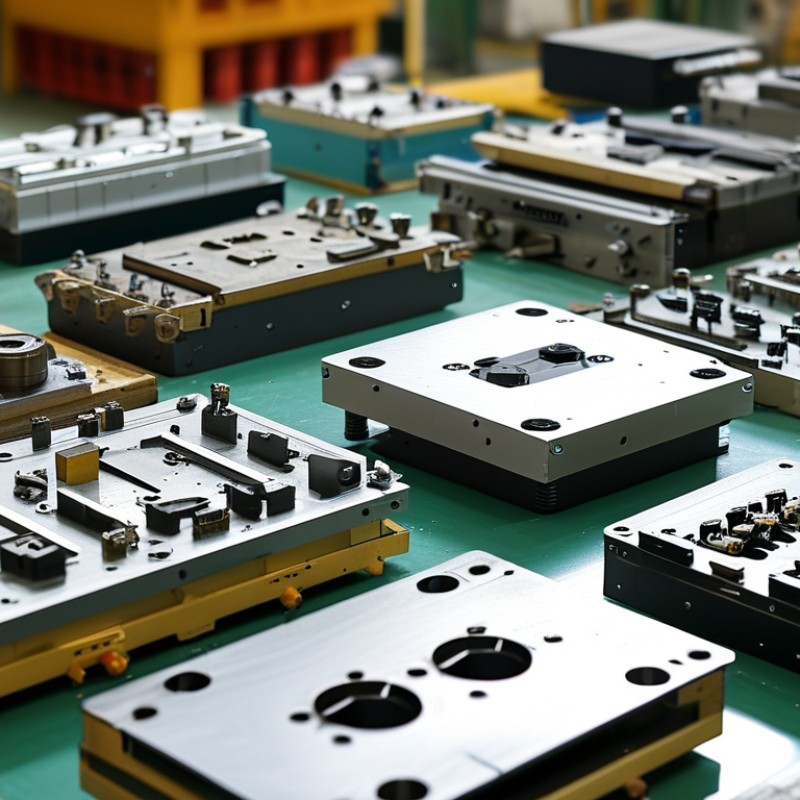
As we look ahead to 2026, the demand for Electronic Hardware Molds continues to rise. These molds play a critical role in manufacturing electronic components. Understanding their intricacies can be challenging. Selecting the right mold can significantly impact production efficiency.
Many buyers are overwhelmed by the numerous options available. This guide aims to clarify the main factors to consider. Quality, material, and precision are just a few aspects that must not be overlooked. Each detail can affect the final product's performance.
However, it's crucial to reflect on your specific needs. Not every mold suits every project, and costs can quickly add up. Balancing quality and budget is essential for long-term success. This guide will assist you in making informed decisions when purchasing Electronic Hardware Molds. Your choices today define your success tomorrow.
Key Considerations for Selecting Electronic Hardware Molds
When selecting electronic hardware molds, understanding the materials is crucial. Different molds use various materials such as steel, aluminum, or even plastic. Each material has its strengths, weaknesses, and costs. The choice impacts durability, precision, and production speed. For instance, while steel molds are robust, they can be costly, and their creation time is longer. Aluminum molds are lighter and quicker to produce but might wear out faster.
Another vital consideration is the mold design. The complexity of design affects not only the production process but also the final product quality. Intricate designs can lead to higher maintenance needs. Simpler designs often result in more reliable outcomes. Assessing the design based on your specific needs can prevent future complications. Look for adaptability in mold designs. It’s essential to think long-term, as flexibility can save costs. A mold that suits multiple projects can be invaluable.
Quality control during the manufacturing process should not be overlooked. Even minor flaws can lead to significant issues in the production line. Various inspection methods exist, each with strengths and limitations. Companies must decide which methods align best with their product requirements. This step helps ensure each mold meets your standards and expectations. Relying solely on suppliers for quality assurance can pose risks. It might lead to discrepancies that can derail projects.
Materials and Technologies in Electronic Hardware Mold Manufacturing
In the ever-evolving field of electronics, the materials and technologies used in hardware mold manufacturing play a vital role. Manufacturers increasingly emphasize lightweight and durable materials. For instance, thermoplastics and liquid silicone rubber (LSR) have gained popularity. These materials offer excellent performance while reducing production costs by up to 20%, according to industry reports.
Advanced technologies, such as 3D printing, are transforming mold production. This method allows for rapid prototyping and customized designs. Data suggests that 3D printing could decrease lead times by nearly 30%. However, not all molds benefit equally from this approach. Traditional techniques still provide advantages in specific applications, especially where intricate details are crucial.
Tips for choosing the right material include assessing the thermal and mechanical properties required for your specific application. Consider the expected production volume, as some materials perform better in high-volume settings. Evaluate the environmental impact of the materials to align with sustainability goals. As the industry grows, balancing innovation with reliability and cost remains essential. Always test the materials for compatibility with your products to avoid unexpected challenges later.
2026 Top Electronic Hardware Molds Buying Guide
| Material Type |
Typical Applications |
Advantages |
Disadvantages |
Recommended Technologies |
| Steel |
Injection molding for automotive parts |
Durability and high temperature resistance |
Higher initial cost |
Progressive die technology |
| Aluminum |
Lightweight electronic casings |
Lightweight and excellent heat conductivity |
Lower strength compared to steel |
CNC machining and die-casting |
| Plastic |
Enclosures for smartphones and tablets |
Low cost and design flexibility |
Lower durability |
Injection molding technology |
| Composite Materials |
High-performance electronic components |
Excellent strength-to-weight ratio |
More complex manufacturing process |
3D printing and automated layup |
| Silicone |
Keypads and touch sensors |
Good flexibility and durability |
Limited mechanical strength |
Liquid silicone rubber (LSR) molding |
Understanding Mold Design: Types and Features of Electronic Hardware Molds
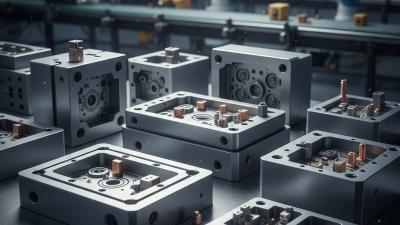
Mold design is crucial in producing electronic hardware components. Understanding the various types and features of molds can significantly enhance product quality. There are generally two main categories: injection molds and compression molds. Injection molds are favored for intricate designs. They allow for high precision and faster production times. Compression molds, on the other hand, are used for simpler shapes. They often require more material and have longer cycle times.
Material selection greatly impacts mold performance. Different materials, such as steel or aluminum, come with varying costs and lifespans. Steel molds offer durability, while aluminum molds provide quicker turnaround but may wear out faster. Consideration of the project scale is vital. Larger batches may justify the investment in steel.
Attention to design details can improve mold functionality. Cooling channels, for instance, play a critical role in heat management. Proper cooling can prevent defects, ultimately reducing waste. However, sometimes the cooling channels are not optimized. This might lead to uneven temperatures, affecting the final product. Reflecting on past projects can provide insights on how to improve molding processes. It's essential to continuously evaluate and adjust designs for better outcomes.
Evaluating Cost-Effectiveness in Electronic Hardware Mold Purchases
When considering electronic hardware molds, evaluating cost-effectiveness is crucial. Focus on the material and design complexity. High-quality molds may cost more upfront but can deliver better long-term value. They enhance production efficiency and reduce maintenance costs. Factors such as mold lifespan and maintenance frequency impact overall expenses.
Think about the manufacturing process. A well-designed mold can minimize waste and save time. Assess the required precision levels. Molds with tighter tolerances may require a larger investment, but their output may be worth the added cost. It's essential to balance quality with budget constraints.
Reflect on after-sales support and warranties. A mold that comes with strong support can save money in the long run. Research feedback from peers in the industry. Their experiences can illuminate potential pitfalls. Remember that looking for the cheapest option often invites issues later. Real-world testimonials can provide insight into reliability and performance, guiding better purchasing decisions.
Top Manufacturers and Suppliers of Electronic Hardware Molds in 2026
In 2026, the demand for electronic hardware molds is projected to rise significantly. According to recent industry reports, the global mold market is expected to grow by 5.5% annually. This increasing demand highlights the need for reliable suppliers and manufacturers in the electronic hardware sector. Companies are investing in advanced technologies to enhance the precision and efficiency of mold production.
Key players in the electronic hardware mold market focus on innovative materials and sustainable practices. For instance, some manufacturers are exploring biodegradable materials to reduce environmental impact. However, the shift to greener options is still facing challenges, such as higher production costs. While technology advances, there are also ongoing concerns about the consistency and quality of newer materials, which could impact product performance.
As a buyer, understanding the strengths and weaknesses of various manufacturers is crucial. Some suppliers may excel in speed but lack in quality control. Others may focus on high precision but have longer lead times. Evaluating these factors can help businesses make informed decisions, ultimately influencing their product success. Knowledge and experience in the mold purchasing landscape are vital for navigating this complex market effectively.