Leave Your Message
Air Conditioning Mold is rarely caused by one dirty filter alone. It usually develops where moisture, warmth, and limited airflow remain together. A cold evaporator coil can collect condensation, while a clogged drain pan leaves a thin, persistent film of water. Inside a dark air handler, that film may support mold growth before anyone notices an odor.
Professional guidance supports this concern. The U.S. Environmental Protection Agency reports that indoor pollutant levels can be two to five times higher than outdoor levels, and sometimes much higher. Its mold guidance also identifies uncontrolled moisture as the central problem. The EPA recommends keeping indoor relative humidity between 30% and 50%, when practical. The World Health Organization’s Guidelines for Indoor Air Quality: Dampness and Mould links damp buildings with increased respiratory symptoms and asthma risks. These findings do not prove that every visible spot causes illness. They do show why neglected moisture deserves attention.
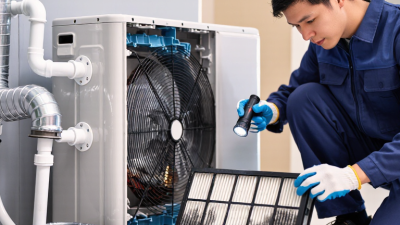
Experienced HVAC technicians usually inspect the condensate drain, coil, blower compartment, insulation, and return-air pathway. A musty smell near a supply vent can be an early warning, not a diagnosis. Cleaning may help, but it cannot replace leak repairs or airflow correction. The picture is not always tidy. A perfectly clean filter may hide a wet drain pan, while a stained grille may reflect old contamination. Reliable control requires measurement, documentation, and follow-up. This guide examines why Air Conditioning Mold grows and explains practical steps for stopping moisture before it becomes a larger indoor-air problem.
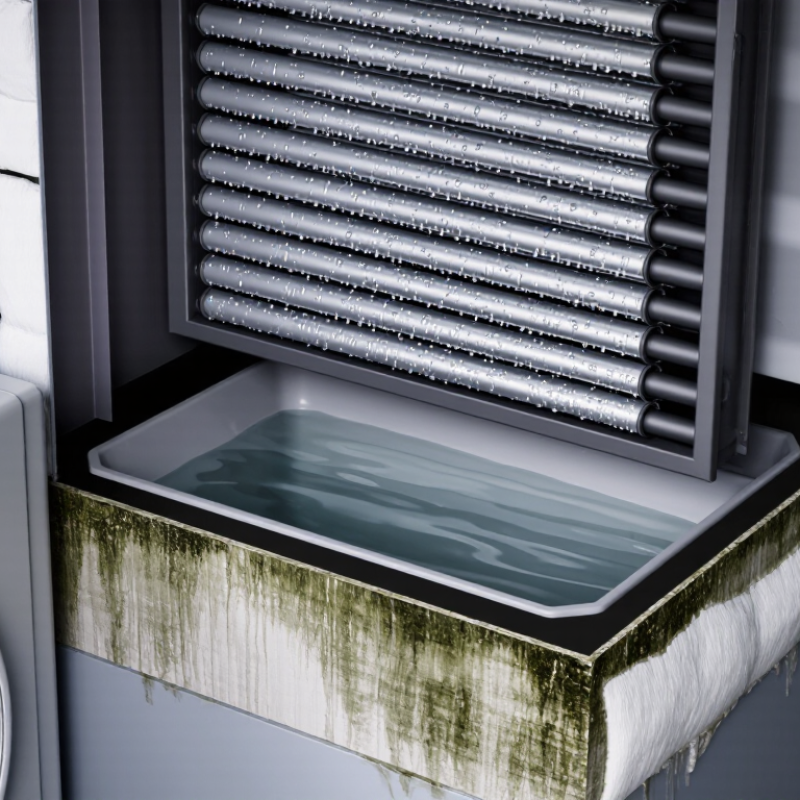
Air conditioning mold is a group of fungi growing inside damp cooling equipment. It is not simply “dirt.” Mold develops when spores meet moisture, dust, and a surface that stays wet. Common sites include cooling coils, drain pans, filters, ducts, and insulation. The smell may be musty, but odor alone cannot confirm mold.
Condensation is the central clue. Warm indoor air touches a cold coil, producing water droplets. If the drain pan slopes poorly or remains dirty, water collects. Dust then becomes a food source. The U.S. Environmental Protection Agency advises keeping indoor humidity between 30% and 50%, because higher humidity supports mold growth. Its mold remediation guidance also identifies moisture control as the main prevention measure.
Mold can release spores into moving air. The World Health Organization’s Guidelines for Indoor Air Quality: Dampness and Mould links damp buildings with increased respiratory symptoms and asthma risk. The Centers for Disease Control and Prevention also notes that sensitive people may experience coughing, wheezing, or eye irritation. A dark mark is not always mold; it could be dust or oxidized metal. That distinction is often missed. During inspections, technicians should sample carefully and check the drain system, coil, insulation, and humidity level. Cleaning the visible stain without fixing trapped moisture may only delay regrowth. Reliable identification needs evidence, not guesswork.
| Area or Component | Why Mold Can Grow | Common Signs | Recommended Prevention or Cleaning | Important Safety Note |
|---|---|---|---|---|
| Evaporator coil | Cold surfaces can collect condensation. Dust and organic debris provide nutrients when moisture remains for long periods. | Musty odor, reduced airflow, visible dark or fuzzy deposits, or repeated condensation. | Replace or clean the air filter regularly, keep the coil clean, and have the condensate system inspected if moisture persists. | Coil cleaning may require access to internal parts and should follow the equipment manufacturer’s instructions. |
| Drain pan and condensate drain | Standing water, sludge, and restricted drainage create a consistently damp environment. | Water in the pan, slow drainage, leaks, algae-like buildup, or a persistent damp smell. | Keep the drain pan clear, ensure the drain line slopes correctly, and arrange professional cleaning for recurring blockages. | Turn off electrical power before inspecting accessible components. Do not mix chemical cleaners. |
| Air filter | A clogged or poorly fitted filter allows dust to accumulate inside the system and can reduce airflow, increasing moisture problems. | Visible dust on the filter, weak airflow, rising indoor humidity, or frequent system cycling. | Use a correctly sized filter and replace it according to the manufacturer’s schedule or sooner in dusty conditions. | A filter captures airborne particles but does not remove mold already growing inside the air-conditioning system. |
| Supply vents and air ducts | Condensation can form when duct surfaces are colder than surrounding humid air, especially where insulation is damaged. | Musty smell near vents, visible spotting, damp insulation, or moisture around registers. | Control indoor humidity, repair damaged insulation, seal air leaks, and investigate the moisture source before cleaning. | Duct cleaning alone will not solve mold growth if water intrusion or condensation continues. |
| Indoor humidity | Mold grows more easily in persistently damp conditions. Indoor relative humidity above 60% increases the risk of condensation and microbial growth. | Condensation on windows or vents, a damp feeling, and recurring musty odors. | Aim for indoor relative humidity below 60%, ideally around 30%–50%, using ventilation, dehumidification, and properly sized cooling equipment. | Use a hygrometer to measure humidity rather than relying only on how the room feels. |
| Dirty blower compartment | Accumulated dust and moisture can support mold growth and may distribute particles through the air stream. | Dust around registers, unusual odors when the system starts, or visible contamination near the blower area. | Schedule inspection and cleaning by a qualified technician, particularly when contamination is inside inaccessible components. | Do not operate the system while removable parts are wet or while cleaning chemicals are present. |
| Building leaks or flood damage | Roof leaks, plumbing failures, and flooding can wet insulation, drywall, flooring, and air-conditioning components. | Water stains, peeling materials, swollen surfaces, or mold returning after routine cleaning. | Repair the water source promptly, dry affected materials within 24–48 hours when possible, and remove porous materials that cannot be thoroughly dried. | Extensive contamination or hidden growth should be assessed by a qualified mold-remediation professional. |
| Routine system operation | Continuous operation in humid weather, short cycling, or oversized equipment can prevent adequate moisture removal. | Frequent starts and stops, high humidity despite cooling, or rooms that feel cold but clammy. | Have system sizing, airflow, refrigerant performance, and drainage checked by a qualified HVAC technician. | Do not adjust refrigerant or electrical components without appropriate training and authorization. |
| Visible mold on accessible hard surfaces | Mold may develop where dust and moisture collect on nonporous surfaces such as plastic vent covers or metal drain pans. | Localized discoloration, fuzzy patches, or a musty odor near the affected surface. | Turn off the system, clean small areas with suitable detergent and water, dry completely, and correct the moisture source. | People with asthma, allergies, immune suppression, or other respiratory concerns should avoid disturbing mold and seek professional assistance. |
| Overall prevention | Mold requires moisture, a food source, suitable temperature, and time. Removing moisture is the most effective long-term control. | Recurring odor, repeated condensation, or mold that returns after cleaning. | Maintain filters, keep drains clear, control humidity, repair leaks, improve insulation, and arrange periodic professional maintenance. | Never paint over mold or rely on fragrance products to conceal a persistent odor. |