Advantages of Stacked Molds for Efficient Manufacturing?
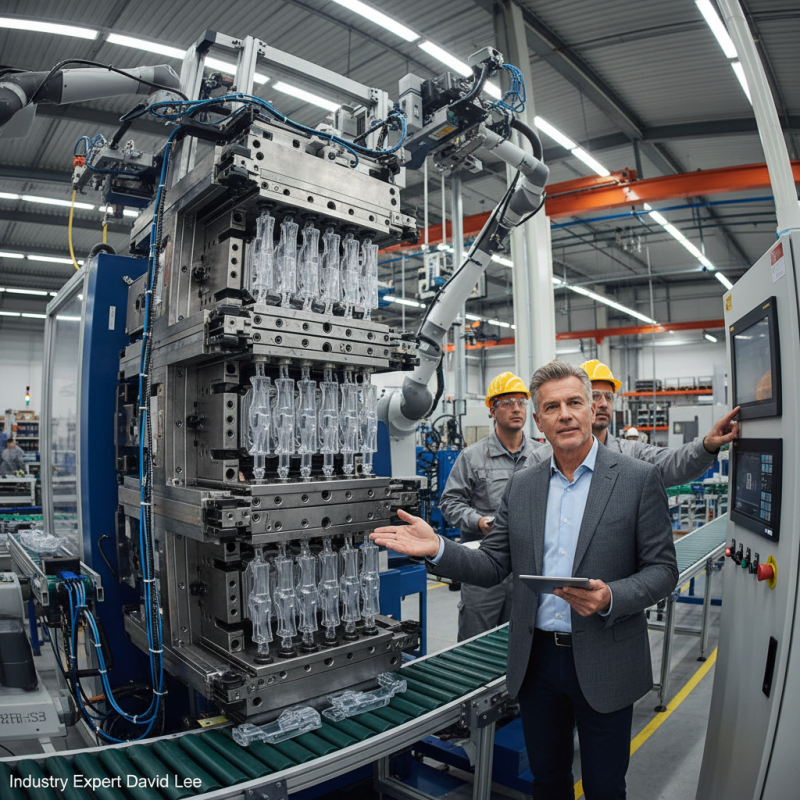
In the ever-evolving landscape of manufacturing, the "Advantages of Stacked Molds" have gained significant attention. Industry expert David Lee, a notable figure in mold design, emphasizes that “using stacked molds can drastically improve production efficiency.” This statement underscores the transformative impact of stacked molds on manufacturing processes.
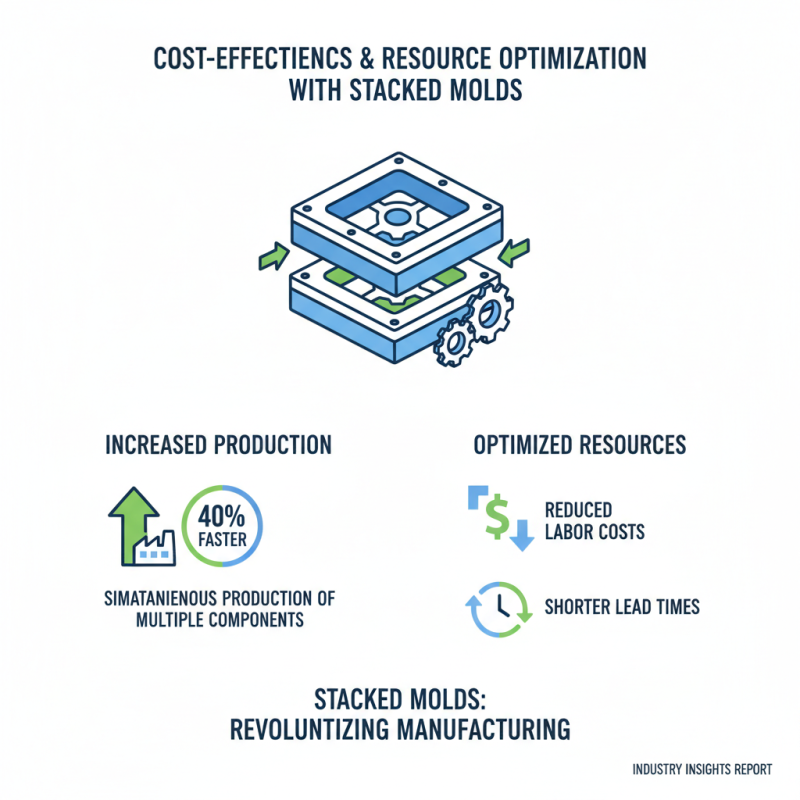
Stacked molds offer unique benefits. They enable manufacturers to produce multiple parts simultaneously, enhancing productivity. This innovation reduces cycle times, leading to quicker turnarounds. Additionally, they optimize material usage, minimizing waste. However, embracing this technology isn't without challenges. The initial investment can be substantial, and not all products are suited for this approach.
Understanding the "Advantages of Stacked Molds" requires careful consideration. Companies must assess whether the benefits align with their production goals. As manufacturers weigh the pros and cons, it’s crucial to analyze real-world applications. The journey toward adopting stacked molds may reveal unforeseen complexities, but the potential rewards are substantial.
Definition and Overview of Stacked Molds in Manufacturing
Stacked molds are an innovative approach in manufacturing. They allow multiple components to be produced simultaneously within a single cycle. This method enhances productivity by maximizing the use of the molding machine's capacity. It is particularly beneficial in industries demanding high-volume production, such as automotive and consumer goods.
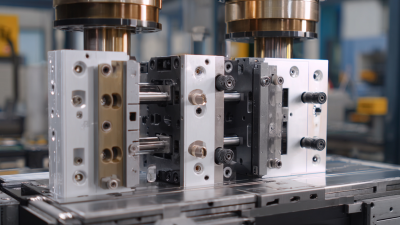
The design of stacked molds involves layers that can shape different parts at once. This not only reduces the production cycle time but also minimizes material waste. However, the complexity in mold design and maintenance can pose challenges. Manufacturers must ensure proper alignment and cooling to avoid defects.
Knowledge in handling these molds is essential. Engineers should possess expertise in materials and thermal dynamics. Misalignment or poor temperature control can lead to faulty products. Regular maintenance is indispensable to guarantee consistent quality in output. This ensures that the advantages of stacked molds are fully realized.
Advantages of Stacked Molds for Efficient Manufacturing
This bar chart demonstrates the advantages of using stacked molds in manufacturing, showcasing their contributions to cost reduction, production speed, material efficiency, workflow optimization, and quality consistency.
Key Benefits of Using Stacked Molds for Production Efficiency
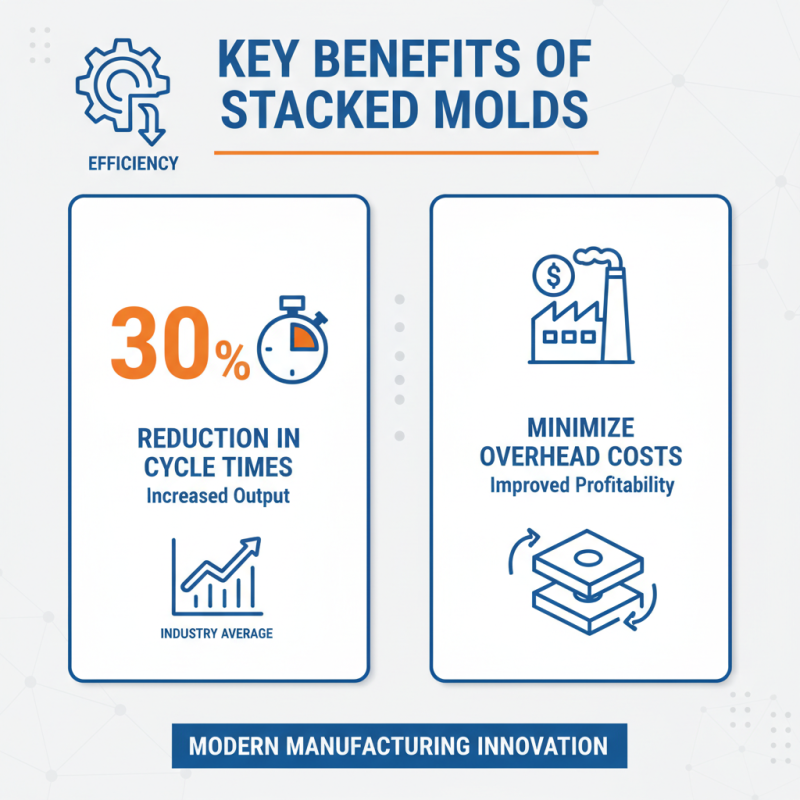
In modern manufacturing, the use of stacked molds has become increasingly popular due to their numerous advantages. One key benefit lies in their ability to enhance production efficiency. According to recent industry studies, companies that adopted stacked molding technologies reported a 30% reduction in cycle times. This is crucial for businesses looking to improve their output while minimizing overhead costs.
Stacked molds allow for multiple components to be produced simultaneously. This capability optimizes machine utilization, significantly reducing time spent on setup and adjustments. Reports indicate that manufacturers can achieve up to 50% more parts per hour compared to traditional single-layer molds. However, transitioning to this technology requires careful planning and investment in training. Not all manufacturers are equipped to manage these complexities.
Moreover, implementing stacked molds can lead to challenges in quality control. Ensuring uniformity across layers is essential to maintain product standards. In fact, some manufacturers have noted an increased incidence of defects when operating at larger scales without proper checks. Therefore, while the efficiency gains are compelling, companies need to weigh these advantages against potential risks, revealing the need for a balanced approach.
Impact of Stacked Molds on Product Quality and Consistency
Stacked molds represent a transformative technology in manufacturing. Their influence on product quality and consistency is profound. According to a recent industry report, usage of stacked molds can improve production efficiency by nearly 30%. This efficiency boosts the ability to maintain consistent quality across large production runs.
When it comes to product quality, stacked molds ensure uniformity in design and production methods. The precision facilitated by this technology reduces variability in dimensions. For instance, a study indicated that products made with stacked molds had a defect rate drop of 15%. Such reliability is crucial for industries where quality assurance is a top priority.
However, implementing stacked molds presents challenges. Initial setup costs can be high. Moreover, fine-tuning molds for better performance requires skilled operators and ongoing maintenance. These factors highlight that while the technology offers significant advantages, it necessitates a thoughtful approach to maximize its potential benefits.
Advantages of Stacked Molds for Efficient Manufacturing
| Dimension |
Benefit |
Impact on Quality |
Consistency Rating (1-10) |
| Increased Production Efficiency |
Reduced cycle times and higher output |
Improved overall quality due to faster processing |
9 |
| Reduced Material Wastage |
Optimized use of raw materials |
Consistent material quality in final products |
8 |
| Enhanced Product Design Flexibility |
Ability to create complex shapes and features |
Higher precision in design replication |
9 |
| Lower Production Costs |
Reduced labor and operational costs |
Consistency in product quality due to automated processes |
10 |
| Improved Product Quality |
Better surface finish and accuracy |
Reduced defects and reworks |
10 |
Future Trends in Stacked Mold Technology and Manufacturing Practices
Stacked mold technology is rapidly evolving within the manufacturing sector. This advancement aims to increase efficiency and reduce costs. As industries seek more sustainable practices, stacked molds can adapt to varying production scales. Recent innovations focus on integrating automation and smart technologies to streamline operations.
The future trends in this field include enhanced material development. Manufacturers are exploring lighter, stronger materials that can withstand higher pressures. This shift will also reduce waste during production. Additionally, the focus on modular designs allows manufacturers to customize molds for specific needs. Flexibility and efficiency are becoming paramount in production processes.
As with any technological advancement, the challenges are significant. Training staff to operate complex systems is crucial. Furthermore, initial investments may be high, raising concerns about budget allocations. Companies need to balance innovation with practicality. Exploring these dynamics will shape the future landscape of stacked mold technology.