What is Automation Equipment Molds and How to Choose Them?
In the rapidly evolving landscape of manufacturing, choosing the right Automation Equipment Molds is crucial. Renowned industry expert Dr. Emily Chen states, “The effectiveness of automation begins with selecting the right molds.” Her insight highlights the critical role molds play in ensuring efficiency and accuracy in automated processes.
Automation Equipment Molds are essential in various production lines, from automotive to consumer goods. Selecting the right mold can significantly affect production speed and product quality. Many manufacturers overlook the specifics, resulting in inefficiencies and higher costs. Quality molds can help prevent frequent downtime and costly rework.
Balancing cost and quality can be challenging. Some companies prioritize lower prices over performance. However, this often leads to regret later on, as poor quality molds fail to meet production demands. Understanding the nuances of different molds can make a world of difference. As the industry adapts, embracing innovative mold technology is vital for staying competitive.

What is Automation Equipment Molds?
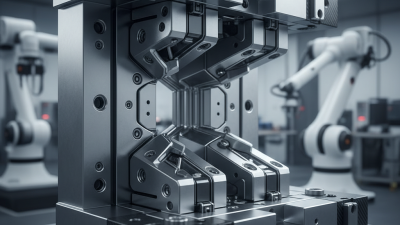
Automation equipment molds are essential in various industries. They help create parts quickly and precisely. These molds facilitate streamlined processes in manufacturing.
Molds come in different shapes and sizes. Their design depends on the specific application. Choosing the right one requires understanding the materials involved. Consider the production volume and cycle time. Efficiency is key to a successful operation. Sometimes, a more complex mold can slow down production.
Each mold has its pros and cons. For instance, a multi-cavity mold increases output. However, it may be more expensive and harder to maintain. Businesses must balance cost and efficiency. Reflecting on past projects can guide better decisions. Ultimately, the choice of automation equipment molds can significantly impact productivity.
Types of Automation Equipment Molds Available
Automation equipment molds play a crucial role in manufacturing processes. Understanding the types available is essential for optimizing production. Common types include injection molds, blow molds, and compression molds. Each type serves different functions and materials. Injection molds are popular for their efficiency in mass production.
Reports from industry analysts highlight that the injection molding market is projected to grow at a CAGR of 5.7% to reach $248 billion by 2026.
Blow molds specialize in creating hollow plastic products. They are vital in industries like packaging. Compression molds are used for thermosetting plastics and can handle higher temperatures. The choice of mold can impact product quality and production speed. It’s vital to assess material compatibility and production volume when selecting molds.
However, not every mold type is suitable for every application. Cost considerations and tooling times are critical factors. Skimping on mold quality can lead to defects, increasing waste and costs. Industry experts emphasize the importance of selecting molds based on specific project needs. This requires careful analysis and sometimes, trial and error.
Evaluating previous projects can offer insights but may not guarantee future success. Ultimately, choosing the right automation equipment molds is a strategic decision that directly affects efficiency and profitability.
Key Factors to Consider When Choosing Molds
When selecting automation equipment molds, several factors significantly influence the quality and efficiency of the production process. One key aspect is the material choice for the mold. According to industry reports, steel molds are often preferred for their durability, while aluminum molds offer faster production times but may wear out quickly. Understanding your production volume can guide you in selecting the right balance between these materials.
Thermal conductivity is another crucial factor. A mold with high thermal conductivity can reduce cycle times. Research shows that molds with optimized thermal management can enhance production rates by up to 20%. However, it’s important to note that intricate designs may complicate heat distribution, leading to imperfections. Evaluation of mold structure is crucial; cavities that are too deep or complex can trap air and lead to defects.
Tips: Always prototype your mold design before full-scale production. This helps identify potential issues early. Additionally, consider the maintenance requirements. Easier-to-maintain molds save time and costs in the long run. Reflect on past projects. Were there design flaws that could have been addressed during the mold selection process? Learning from previous choices can lead to better outcomes in future projects.
Benefits of Using Automation Equipment Molds
Automation equipment molds provide several key benefits. They improve production efficiency significantly. These molds streamline manufacturing processes, reducing labor time and costs. When properly designed, they ensure consistent product quality, which leads to increased customer satisfaction.
Using automation molds minimizes human error. Operators can make mistakes, but machines repeat processes precisely. This reliability is crucial in industries where quality control is essential. Additionally, automation molds are often easier to maintain than traditional methods. However, they may require a higher initial investment.
Choosing the right automation mold can be challenging. Not every mold suits every application. It's essential to consider the type of materials used and the specific production needs. Take time to research options and analyze performance data. This process may expose gaps in knowledge. Seeking expert guidance can be beneficial, but it is also a learning curve. Reflecting on choices made during the selection process can provide valuable insights for future projects.
Common Applications of Automation Equipment Molds
Automation equipment molds play a crucial role in various industries. Their common applications include the production of consumer goods, automotive components, and electronics. In 2022, the global mold industry was valued at approximately $65 billion, highlighting the importance of these tools in manufacturing processes.
In consumer goods, molds create durable items like containers and packaging. The medical sector also benefits from precise molds for devices like syringes and inhalers. Notably, custom molds are essential for developing tailored solutions. According to industry reports, nearly 30% of mold requirements are for specialized components.
When selecting automation equipment molds, consider material quality. High-grade steel often provides longevity. Design is equally important. A well-designed mold can enhance productivity and reduce waste.
Tips: Assess the expected lifespan of the mold. A higher initial investment may lead to lower costs over time.
In the automotive industry, molds facilitate the production of intricate parts. These parts are often created to meet strict safety regulations. Efficiency in mold design can cut down production time significantly, aiding in faster market entry.
Consider prototype testing. Investing in prototypes can avoid costly mistakes in mass production. The right mold selection is vital to achieving high-quality results.