Understanding Automotive Button Mold and Its Importance in Design?
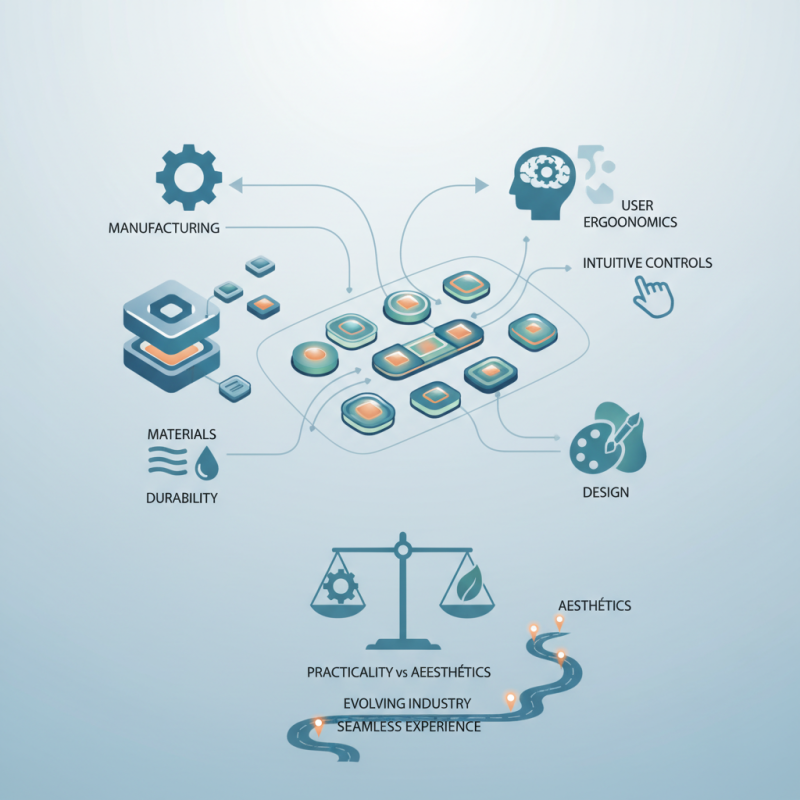
The automotive industry is evolving rapidly. In this context, the Automotive Button Mold plays a crucial role. This mold is essential for the production of buttons that enhance user experience. It's not just about functionality; design matters too. The right mold leads to intuitive controls, influencing overall vehicle ergonomics.
However, creating an effective Automotive Button Mold is challenging. Designers must consider various factors, including materials and user interaction. The mold must withstand wear while maintaining a pleasing look and feel. There are often trade-offs between aesthetics and practicality. Sometimes molds may not perform as expected, leading to wasted resources.
The importance of the Automotive Button Mold extends beyond manufacturing. It's about delivering a seamless user experience in any vehicle. Attention to detail in design can elevate a car’s interior. Each button should tell a story, engage users, and invite interaction. Balancing all these aspects is no easy feat. Yet, it remains a fundamental part of automotive design.
Overview of Automotive Button Molds and Their Functionality
Automotive button molds play a crucial role in modern vehicle design. These molds are essential for creating the buttons that control various functions in cars. From adjusting the temperature to managing audio settings, the design of these buttons affects user experience.
The functionality of automotive button molds goes beyond aesthetics. They must endure daily use and harsh conditions. These buttons can be made from various materials, each with unique characteristics. Designers often face challenges in ensuring the button is responsive yet durable. Balancing these factors is not always straightforward. There could be times when a button feels too stiff or is unresponsive. Such issues highlight the importance of prototyping and testing.
Creating a button that looks good is only part of the equation. The tactile feedback is equally important. Users expect a certain feel when they press a button. If the button lacks a satisfying click, it can be frustrating. This is where attention to detail in the mold design becomes significant. Fine adjustments can make a world of difference in usability. The design process should embrace this complexity, allowing for iterations and refinements.
Materials Used in Automotive Button Mold Manufacturing
In the automotive industry, the choice of materials for button mold manufacturing is crucial. High-grade plastics are often favored due to their durability and versatility. Polycarbonate and ABS are popular options. They provide excellent clarity and impact resistance. Reports indicate that the use of these materials can improve the longevity of automotive buttons by 30% compared to conventional materials.
The design also plays a significant role in functionality. Factors like tactile feedback and surface finish are essential. Rubberized coatings can enhance grip. These coatings not only improve usability but can also influence the aesthetic appeal. However, improper material selection can lead to issues, such as wear and tear. This reflects the need for careful consideration.
Tips: Choose materials that balance durability and cost. This can be a challenging task in production. Test prototypes rigorously to ensure functionality and user satisfaction. Failure to address these factors may lead to product recalls and consumer dissatisfaction. Different materials can yield various results in performance, so it's essential to experiment.
Design Considerations for Automotive Buttons and Molds
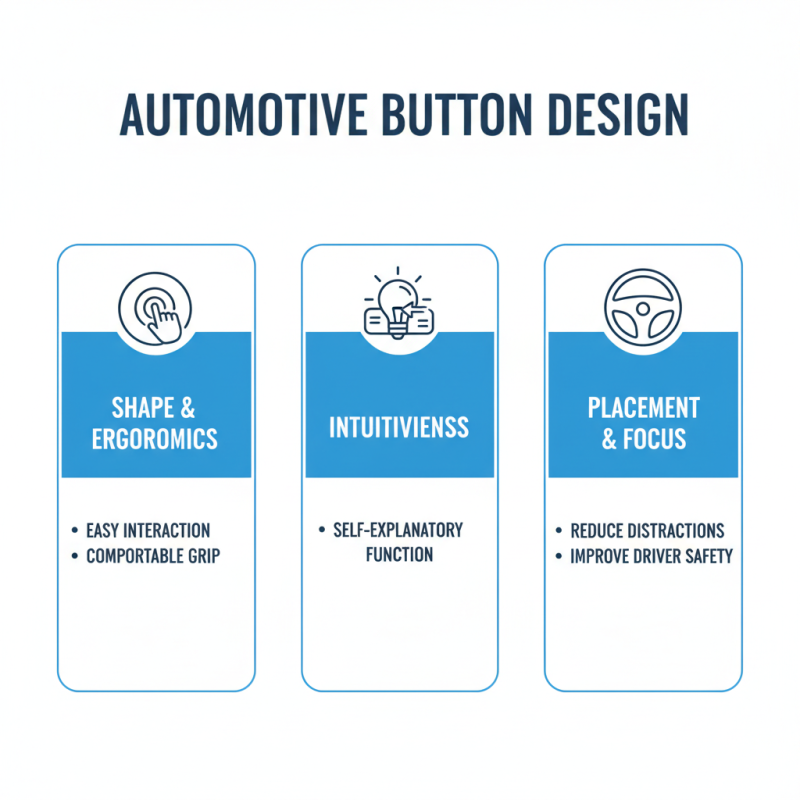
When designing automotive buttons, several considerations are vital for functionality and aesthetics. The shape of the button impacts how easily users can interact with it. Ergonomic design allows for a comfortable grip, enhancing usability. The button must be intuitive. A well-placed button can improve driver focus. If not, it could lead to distractions.
Materials play a significant role in button design. They must withstand wear and tear while providing a tactile feel. Different finishes can affect the perceived quality. A matte finish may hide fingerprints. However, it can also look less sleek. Manufacturers must balance aesthetics with practicality.
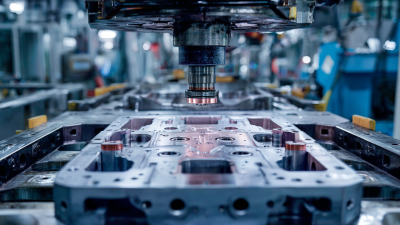
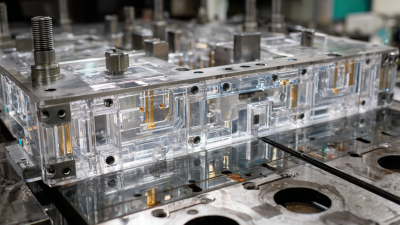
Mold design is equally crucial. A precise mold ensures consistent quality and performance. Errors in the mold can lead to defects. This impacts button functionality and user experience. A well-thought-out design can mitigate potential issues. Iterative testing and feedback are essential parts of this process. There may be setbacks, but they offer valuable learning opportunities. Each design tweak offers insights that shape future iterations.
The Role of Precision Engineering in Button Mold Production
Precision engineering plays a critical role in producing high-quality automotive button molds. These molds must fit perfectly to ensure buttons work seamlessly. Small errors can lead to significant issues in functionality, affecting overall user experience. Engineers utilize advanced technologies to enhance accuracy. Every detail counts in this process, from the initial design to final production.
For those involved in mold design, focus on measurement accuracy. Even a slight deviation can result in poor performance. Regularly calibrate your equipment to maintain precision. Another tip is to use high-quality materials for durability. This approach guarantees that molds withstand wear and tear over time.
It's essential to acknowledge that not every mold will work perfectly on the first try. Iteration is part of the process, and learning from mistakes is crucial. Embracing a mindset of continuous improvement can lead to better designs and increased efficiency in button mold production.
Trends and Innovations in Automotive Button Design and Molding Techniques
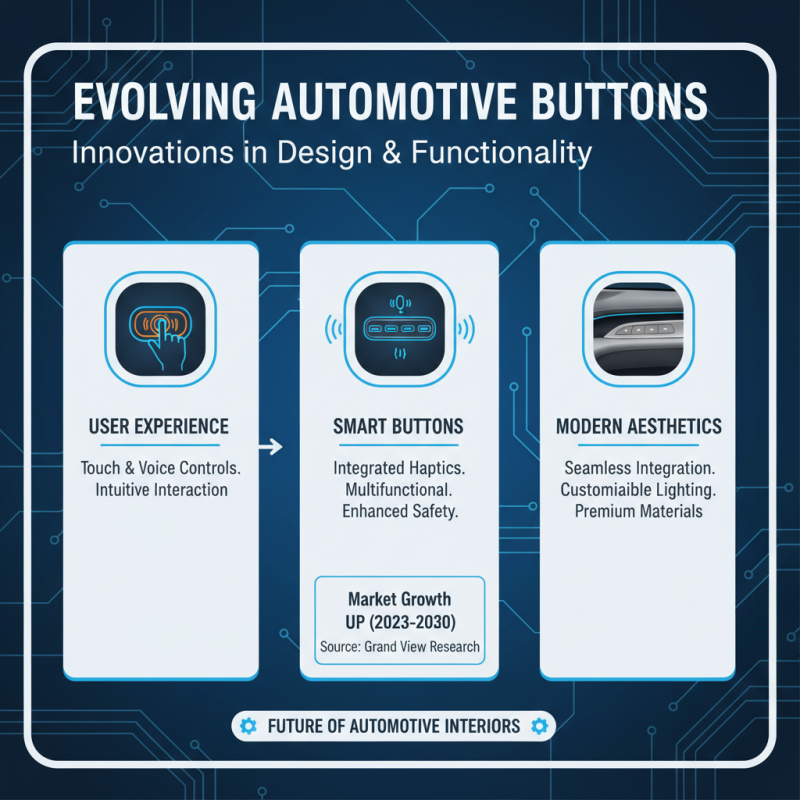
The automotive industry is evolving rapidly, especially in button design and molding techniques. Innovations are focusing on user experience, aesthetics, and functionality. Studies show that smart buttons, which integrate touch and voice controls, are gaining traction. According to a recent report by Grand View Research, the automotive button market is expected to grow significantly, highlighting the importance of modernizing designs.
Molding techniques have also improved. The use of advanced materials enhances durability and reduces costs. For example, injection molding now incorporates a wider range of materials. This can affect the final look and feel of buttons. Consumers increasingly prefer tactile feedback. Reports indicate that over 70% of users value this feature in vehicle controls.
**Tip:** Always prototype different designs. This step can reveal practical insights about usability.
As trends evolve, sustainability becomes crucial. The shift towards eco-friendly materials impacts design choices. However, not all manufacturers prioritize this aspect. Reflecting on sustainability is essential for future innovations.
**Tip:** Stay informed about materials innovation. It can provide a competitive edge in the market.
Ultimately, embracing these trends in automotive button design can lead to improved vehicle interactions. Focusing on user needs and sustainability can pave the way for successful designs.