What is Automotive Mold and Its Impact on Car Manufacturing?
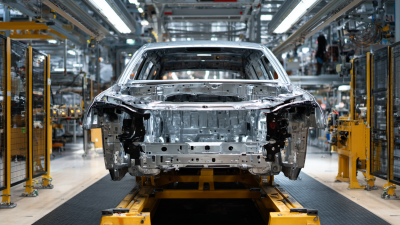
Automotive Mold plays a crucial role in the car manufacturing process. This specialized mold shapes parts essential for vehicle assembly. Experts emphasize its importance. John Stevens, a leading figure in automotive engineering, once stated, “The quality of Automotive Mold directly affects the final product.”
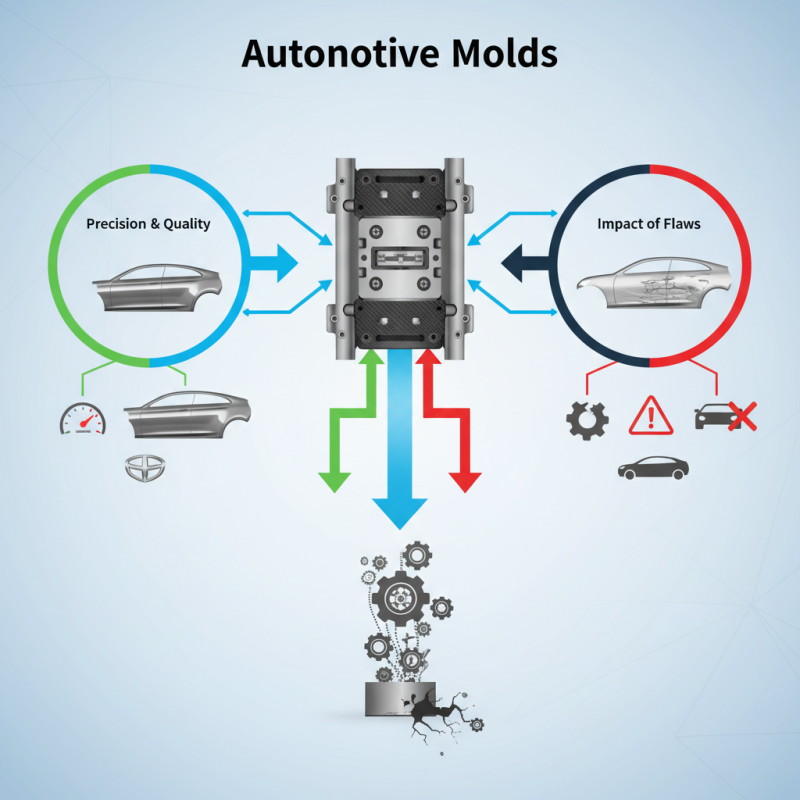
The precision of Automotive Mold can significantly impact vehicle performance and aesthetics. Manufacturers face challenges in ensuring high standards throughout production. Flaws in the mold can lead to defects in car parts, which may affect safety and durability. Sometimes, manufacturers overlook the fine details in mold design, resulting in costly recalls.
Investing in quality Automotive Mold is vital for success. Yet, not all companies prioritize this aspect. Some manufacturers rush the process, seeking quick gains. This approach can lead to long-term issues and customer dissatisfaction. Ultimately, understanding the impact of Automotive Mold is essential for a robust automotive industry.
Definition and Overview of Automotive Mold
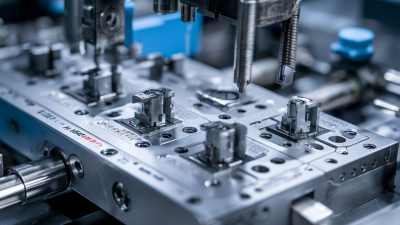
Automotive mold refers to the specific tools used to shape parts in vehicle production. It plays a critical role in ensuring that components meet exact specifications. These molds are often made from metal or high-grade plastic. They allow manufacturers to create various parts, from dashboards to body panels.
Creating effective molds requires precision. A small error can lead to component misfit. Even a tiny flaw can cause significant delays. It's vital for manufacturers to inspect molds regularly. This ensures they remain accurate and functional.
**Tip:** Quality control should be routine. Frequent checks can catch mistakes early.
The process of mold design is complex. Designers must consider flow, cooling, and material. Missing details can result in inefficiencies. Each stage in the mold's life impacts the final product. It’s essential to refine the design continually.
**Tip:** Collaborate across departments. This can lead to innovative solutions.
In summary, automotive molds are vital. Their influence can be profound, affecting quality and production speed. Constant evaluation is needed for optimal performance.
What is Automotive Mold and Its Impact on Car Manufacturing? - Definition and Overview of Automotive Mold
| Aspect |
Description |
| Definition |
Automotive mold is a tool used to shape and form materials into car parts, typically made from metals or plastics. |
| Types of Molds |
Injection molds, blow molds, and compression molds are the primary types utilized in car manufacturing. |
| Materials Used |
Common materials include aluminum, steel, and thermoplastics, chosen based on durability and cost. |
| Impact on Production |
Molds significantly increase production efficiency and precision in creating automotive components. |
| Cost Factors |
Initial mold creation is expensive, but cost-effective in high-volume production runs. |
| Quality Control |
Molds play a critical role in ensuring consistent quality and replication of designs in production. |
| Future Trends |
Emerging technologies like 3D printing and smart molds are set to revolutionize automotive manufacturing. |
Types of Automotive Molds Used in Car Manufacturing
In car manufacturing, automotive molds play a crucial role. They shape various components, impacting both quality and cost. Generally, there are several types of molds used in the industry. Commonly seen are
injection molds,
compression molds, and
blow molds. Each serves a unique purpose.
Injection molds create detailed parts with precision. They are vital for high-volume production.
Compression molds are used for rubber parts and composites. They can be less expensive but require more manual intervention.
Blow molds, on the other hand, are essential for hollow components, such as fuel tanks or light housings.
Tip: Always consider the design's complexity before choosing a mold type. This can save time and reduce production costs. While molds can be durable, they also wear out. Regular maintenance is necessary to avoid defects and costly delays.
Remember that not every design translates perfectly into production. Variations can happen, requiring adjustments to the mold or process.
The Role of Automotive Mold in the Production Process
Automotive molds play a crucial role in the car manufacturing process. Molds are essential for producing various car components, from dashboards to body panels. They ensure precision in design and consistency in production. Industry reports indicate that over 60% of a vehicle's interior components are produced through molding processes. This statistic highlights the significance of molds in car manufacturing.
Improving the mold design can reduce production costs significantly. For example, optimizing mold flow can lead to faster cycle times, increasing efficiency by up to 30%. Manufacturers often overlook the sheer impact of mold maintenance. Regular maintenance can extend the lifespan of molds, ensuring consistent quality and output. An average mold repair costs between $5,000 to $10,000. This expense can be minimized with careful attention.
Tips: Always analyze the flow of the material in the mold. Find ways to make adjustments early in the design phase. Evaluate the mold's wear after each production cycle to address potential issues promptly. Remember, even small inefficiencies can lead to significant setbacks over time.
Impact of Automotive Mold on Car Manufacturing
Impact of Automotive Mold on Vehicle Quality and Performance
Automotive mold plays a crucial role in vehicle production, affecting the overall quality of the car. This process involves creating precise molds for various components. If the molds are not designed or manufactured correctly, it can lead to defects in parts like bumpers or dashboards. Such flaws may not be immediately evident but can impact vehicle performance over time.
The materials used in molds are equally important. Manufacturers often choose lightweight materials for efficiency. However, this can sometimes compromise durability. A balance must be found between weight and strength. On top of that, the cooling process of the molds can introduce inconsistencies. Uneven cooling may result in warping. This issue requires careful monitoring and adjustments during production.
Moreover, the advances in mold technology are impressive yet not flawless. For instance, 3D printing has revolutionized prototyping. Though, the transition from prototype to mass production can reveal unforeseen problems. Each step needs meticulous oversight. Manufacturers must embrace continuous improvement to address these challenges effectively. This constant reflection is key to enhancing vehicle quality and performance.
Future Trends in Automotive Mold Technology and Manufacturing Techniques
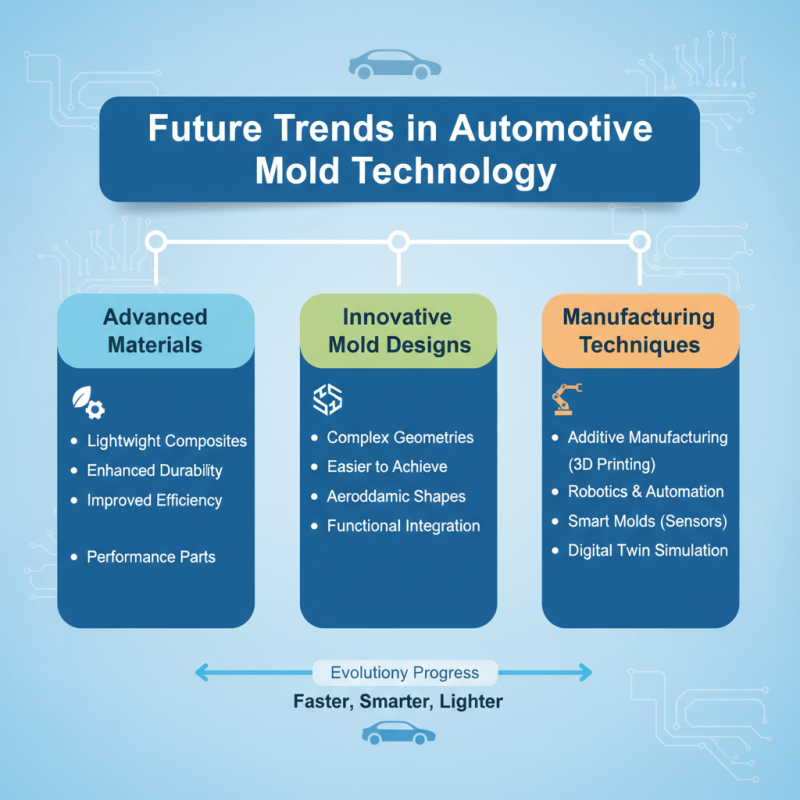
The future of automotive mold technology is evolving rapidly. Advanced materials are being explored for better durability and efficiency. These materials, such as lightweight composites, promise to enhance the performance of molded parts. As these trends progress, manufacturers are experimenting with innovative mold designs. Complex geometries are now easier to achieve, leading to more aerodynamic vehicle shapes.
However, challenges remain. Integrating new materials into existing processes can be a hurdle. There are still gaps in knowledge about long-term performance and recyclability. Some manufacturers hesitate to fully commit to these innovations due to uncertainty in costs and processes. Additionally, finding skilled workers who can adapt to these new technologies continues to be an issue.
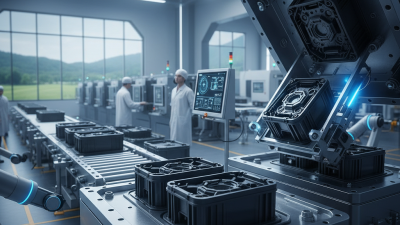
Automation plays a crucial role in mold manufacturing. Robotic systems increase precision and reduce production time. Yet, there is a need to ensure these systems are reliable. Proper training for staff must be prioritized. Balancing technological advancement with human expertise is essential for sustainability. The automotive industry must reflect on these factors as it moves forward.