Top 10 Benefits of Using Die Casting Molds for Manufacturing?
In the world of manufacturing, the use of Die Casting Molds stands out. This technique offers remarkable precision and speed. It plays a crucial role in producing complex shapes and designs. Companies seek efficient methods to enhance productivity. Die casting allows for rapid production while ensuring high-quality results.
The Die Casting Mold is central to this process. It enables manufacturers to create intricate parts reliably. Industries like automotive and electronics greatly benefit from this technology. However, one must consider the costs involved. An initial investment in high-quality molds can be significant. Yet, the long-term savings on production and material waste are clear.
There are imperfections in every manufacturing process. Designing the perfect Die Casting Mold requires expertise and patience. Adjustments often need to be made during initial runs. This iterative process highlights a commitment to quality. Overall, the advantages of using Die Casting Molds are undeniable, but they require careful management and continuous improvement.
Advantages of Die Casting Molds in Precision Manufacturing Processes
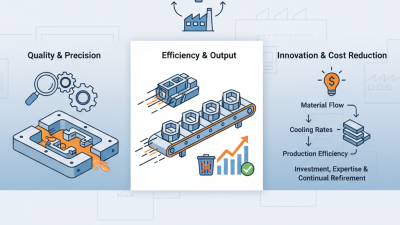
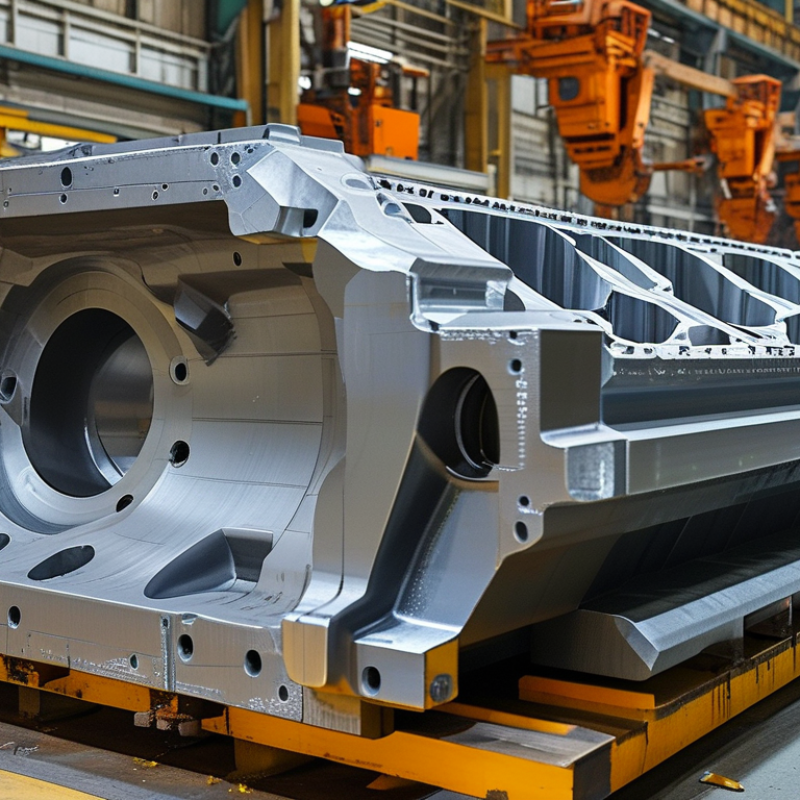
Die casting molds play a crucial role in precision manufacturing. They enable the production of complex shapes with high dimensional accuracy. This accuracy leads to fewer defects in the final products, reducing waste and increasing efficiency. When molds are designed correctly, products require minimal finishing work. This saves both time and resources.
The durability of die casting molds is another significant advantage. High-quality molds can withstand the rigors of repeated use over time. This longevity contributes to consistent production quality. Manufacturers often find that these molds lead to lower overall costs due to their ability to produce high volumes of components without a decline in quality. Yet, creating these molds requires specialized knowledge. Not every manufacturer possesses this expertise, which can be a barrier.
Moreover, the setup required for die casting can be complex. It demands precise calibration to achieve optimal results. Mistakes in this stage can lead to costly errors. Continuous refinement is essential to enhance the molding process. Over time, best practices evolve, driving innovation within the industry. Balancing quality with efficiency remains a perpetual challenge for manufacturers looking to maximize their capabilities.
Top 10 Benefits of Using Die Casting Molds for Manufacturing
| Benefit |
Description |
| High Precision |
Die casting molds provide exceptional precision, ensuring tight tolerances and accurate dimensions for complex parts. |
| Cost-Effective |
The durability of die casting molds leads to lower production costs over time, especially for large volume manufacturing. |
| Material Versatility |
Compatible with various metals, including aluminum, zinc, and magnesium, allowing for diverse applications. |
| Enhanced Surface Finish |
Results in smoother surfaces compared to other fabrication methods, reducing the need for additional finishing processes. |
| Rapid Production |
Enables quick manufacturing turns and higher output rates, ideal for mass production scenarios. |
| Excellent Strength |
The casting process imparts high strength and structural integrity to the components produced. |
| Complex Shapes |
Allows for the creation of intricate geometries that would be challenging or impossible with other methods. |
| Waste Reduction |
Minimizes material waste compared to traditional machining processes, enhancing sustainability. |
| Labor Efficiency |
Automated production processes reduce the need for manual labor, improving overall efficiency. |
| Quality Consistency |
Consistent quality in production runs, reducing variability and ensuring reliability of manufactured parts. |
Cost-Effectiveness of Die Casting Molds for High-Volume Production
Cost-effectiveness is a primary advantage of using die casting molds, especially in high-volume production. These molds allow manufacturers to produce intricate designs with minimal waste. They enable the creation of complex shapes that traditional methods struggle to achieve. With die casting, the production process is streamlined and efficient. Each mold can be reused multiple times, which significantly reduces per-unit costs in large quantities.
High-volume production often brings economies of scale. Lower material costs and reduced labor hours contribute to overall savings. However, the initial investment in die casting molds can be high. Manufacturers must weigh this upfront cost against long-term gains. Not all production runs justify such investments, especially for low-volume projects. This makes careful market analysis essential.
The durability of die casting molds is also noteworthy. They withstand high temperatures and pressures during the casting process. Over time, molds might wear down, necessitating repairs or replacements. This longevity can offset some initial costs. Yet, the need for maintenance is a consideration that requires attention. Balancing these factors is vital for manufacturers looking to optimize their production methods.
Top 10 Benefits of Using Die Casting Molds for Manufacturing
Enhanced Design Flexibility Offered by Die Casting Techniques
Die casting techniques offer remarkable design flexibility for manufacturers. This method allows the creation of complex shapes and intricate details that traditional manufacturing methods struggle to achieve. Research from the American Foundry Society states that die casting can produce components with tolerances as tight as ±0.002 inches. This precision enables manufacturers to produce parts that fit together perfectly, minimizing assembly time and reducing costs.
Moreover, die casting molds can be engineered to accommodate modifications easily. Adjustments to design can be made without extensive rework, which is often necessary in other manufacturing processes. A report from the International Die Casting Association highlights that approximately 25% of production time is saved due to this adaptability, showcasing its efficiency. However, not all projects benefit equally; less experienced teams may overlook essential design considerations, leading to costly errors.
The versatility of die casting encourages innovation but also requires careful planning and skilled execution. Manufacturers must balance creating unique designs with the practical limitations of material properties. The challenge lies in ensuring that creativity aligns with manufacturability. Mistakes can occur when rushing through the design phase, resulting in molds that may not perform as intended. Continuous learning and adaptation are essential for maximizing the advantages of die casting.
Improved Material Properties Achieved Through Die Casting Methods
Die casting is transforming manufacturing with enhanced material properties. This method offers superior strength and durability in metal parts, leading to better performance in various applications. According to a recent industry report, die-cast parts can achieve a tensile strength increase of up to 20% compared to those produced via traditional methods. This significant improvement is crucial for industries requiring high-performance components, such as automotive and aerospace.
Using optimized die casting molds can also enhance surface finish and dimensional accuracy. This translates to reduced post-processing requirements and lower production costs. However, the complexity of creating specialized molds might lead to higher initial investments. Companies often face challenges when balancing these costs against the long-term benefits of enhanced materials.
Tip: Consider investing in simulation software. It helps optimize mold designs before production. This can significantly reduce iterations and costs. Additionally, maintaining your molds properly can extend their lifespan, further enhancing the initial investment value. Monitoring wear and tear is essential, as neglect may lead to decreased quality in the final products.
Sustainability Benefits of Utilizing Die Casting Molds in Manufacturing
Die casting molds offer significant sustainability advantages in manufacturing. A key benefit is material efficiency. Die casting uses up to 95% of raw materials effectively. This helps reduce waste in production processes, promoting eco-friendly practices. Additionally, die casting creates lightweight components. These parts require less energy during transportation, contributing to lower overall carbon emissions.
Data from industry reports indicate that die casting can lead to energy savings of up to 50% compared to other manufacturing methods. The durability of die-cast products also reduces the need for frequent replacements. This longevity means fewer resources used over time. It aligns well with sustainability goals, as reducing consumption is crucial for a greener future.
Tips: When selecting die casting molds, consider their recyclability. Research shows that up to 90% of aluminum can be recycled indefinitely. Also, evaluate local suppliers to reduce transportation emissions. Choosing nearby manufacturers supports local economies and cuts carbon footprints. Make informed decisions to enhance sustainability.