Why Choose Cosmetics Mold for Your Manufacturing Needs?
The cosmetics industry is evolving rapidly, and the demand for high-quality products continues to rise. A key aspect of manufacturing these products is the use of Cosmetics Mold. Experts suggest that selecting the right mold is crucial to producing efficient and flawless designs. According to a report by MarketsandMarkets, the global cosmetics packaging market is expected to reach $80 billion by 2025, underscoring the importance of reliable manufacturing processes.
John Smith, a leading expert in the field of manufacturing, points out, "The right Cosmetics Mold can make or break product quality." This statement emphasizes the weight of mold selection in the overall production process. Improper choices can lead to defects, impacting brand reputation and consumer trust. Businesses must be aware of both the advantages and potential pitfalls when choosing their molds.
Investing in high-quality Cosmetics Mold not only enhances product aesthetics but also ensures durability and functionality. However, manufacturers often overlook the necessity of a thorough evaluation. Reflecting on choices can mitigate future production issues. Ultimately, a thoughtful selection process is essential for those looking to thrive in the competitive cosmetics market.

Understanding Cosmetics Mold: An Overview
Cosmetics molds play a crucial role in the manufacturing of beauty products. Their design and functionality significantly impact the final outcome. A well-crafted mold ensures a consistent shape and size for various products. This precision is vital for maintaining quality and customer satisfaction.
Understanding the materials used in cosmetics molds is essential. Commonly, silicone and metal are preferred for their durability and flexibility. However, each material has its pros and cons. Silicone molds are easier to work with but may wear out faster. Metal molds can provide longevity, yet they often require more complex manufacturing processes.
Beyond design and material choice, the production process itself poses challenges. Achieving the right temperature and pressure is critical in mold filling. This requires careful monitoring and adjustments. Small deviations can lead to defects. Reflecting on these factors reveals the importance of expertise in mold-making. An experienced team can navigate these issues effectively, ensuring high-quality outcomes in the cosmetics industry.
Why Choose Cosmetics Mold for Your Manufacturing Needs?
Benefits of Using Cosmetics Mold in Manufacturing
Cosmetics mold is increasingly popular in the manufacturing sector. It offers several advantages that can enhance production efficiency and product quality. One key benefit is precision. Molds ensure that every item produced meets strict specifications. This uniformity is critical in cosmetics, where product consistency is expected by consumers.
Another advantage is the ability to use various materials. Manufacturers can choose between different polymers or silicone options based on their specific needs. This flexibility can also lead to cost savings. By selecting the right materials, companies can minimize waste and reduce production costs. However, choosing the wrong mold can lead to defects, requiring manufacturers to reconsider their options.
The development process can be complex. Initial prototypes may show flaws that require adjustments. Continuous evaluation is essential. Manufacturers must review their processes regularly to ensure improvement. While cosmetics molds offer remarkable benefits, the journey is not always smooth. Embracing a mindset of adaptability can lead to greater innovation in product design and manufacturing.
Types of Cosmetics Molds and Their Applications
When it comes to cosmetic manufacturing, different types of molds play a crucial role. Understanding these molds can enhance efficiency and product quality. Generally, there are three main types of cosmetics molds: liquid molds, solid molds, and special molds. Each serves a unique purpose in the manufacturing process.
Liquid molds are essential for creams and serums. They provide precise shapes and sizes, ensuring consistency. Solid molds, on the other hand, are typical for lipsticks and powders. They focus on maintaining structural integrity. Special molds are designed for unique or customized products, allowing for creativity in design.
**Tip:** Always evaluate the material of the mold. Choosing high-quality materials can impact the final product's texture and durability.
Don't overlook the need for periodic maintenance of molds. Regular checks can prevent production errors and reduce costs in the long run.
**Tip:** Consider your production scale when selecting molds. Molds for small batches may differ significantly from those for large-scale operations.
Why Choose Cosmetics Mold for Your Manufacturing Needs? - Types of Cosmetics Molds and Their Applications
| Type of Mold |
Material |
Applications |
Benefits |
| Injection Mould |
Steel/Aluminum |
Lipstick, Creams |
High precision, Quick production |
| Blow Mould |
Plastic |
Bottles, Jars |
Cost-effective for large volumes |
| Compression Mould |
Silicone |
Pots, Compacts |
Versatile, Low waste |
| Rotational Mould |
Polyethylene |
Containers, Complex shapes |
Durable, Lightweight |
Factors to Consider When Choosing a Cosmetics Mold
Choosing the right cosmetics mold is crucial for any manufacturer. There are several factors to keep in mind. The first is material compatibility. Different formulations require specific materials for molds. Using the wrong material can lead to defects in the final product. Pay attention to the chemical resistance of the mold material. Is it durable? Will it hold up against various cosmetics?
Another factor is the mold design. Custom designs may offer better usability for unique products. A poorly designed mold can complicate the filling and sealing process. Consider the complexity of your products. Can the mold accommodate intricate shapes? Think about the ease of cleaning as well. Molds that are hard to clean can hinder production efficiency.
Lastly, lead times and costs matter. Molds can be an investment. Balancing quality and affordability is essential. Think about whether a cheaper option could impact long-term production. It might save money upfront but can cause issues later. Assess your manufacturing needs carefully. Each decision impacts your product’s success.
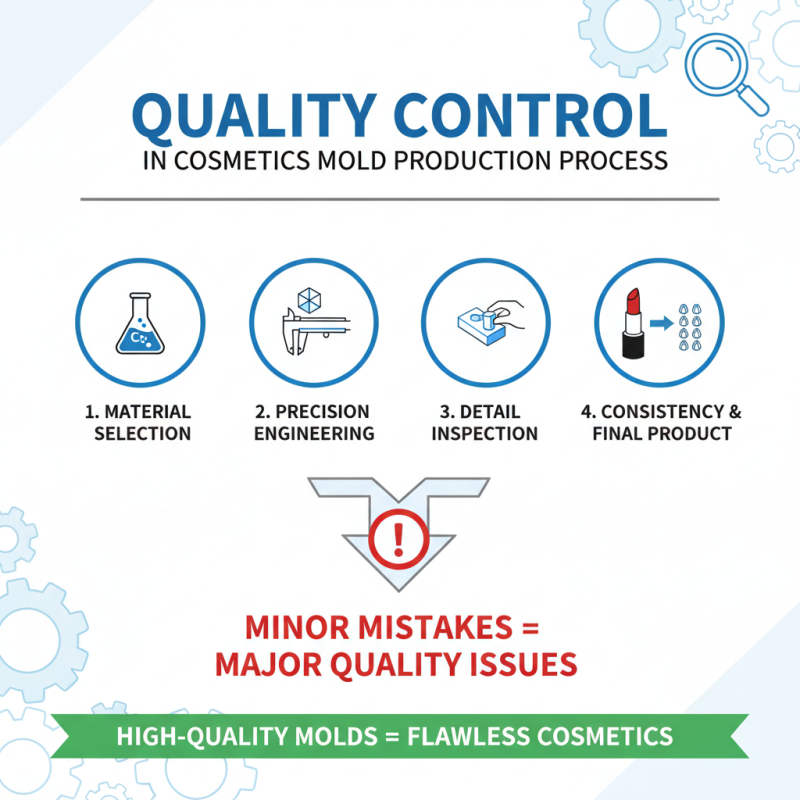
Quality Control in Cosmetics Mold Production Process
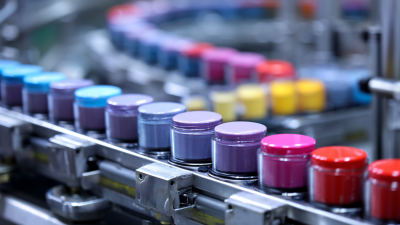
In the cosmetics industry, quality control is critical. It starts with the mold production process. Every detail matters, from material selection to the final touch. High-quality molds ensure consistency and precision in products. A minor mistake can lead to significant quality issues.
Monitoring each stage of mold creation is essential. Experienced technicians should inspect molds regularly. This minimizes errors and maximizes efficiency. However, not every production process is flawless. Sometimes, unexpected challenges arise that require immediate attention. A mold may not fit the design perfectly. This necessitates adjustments and careful consideration.
Investing in quality control measures ultimately benefits manufacturers. Reliable molds lead to better product outcomes and customer satisfaction. Yet, the need for continuous improvement is a reality. Companies must learn from their mistakes to enhance future production processes. Striving for excellence is an ongoing journey in cosmetics mold manufacturing.