Top 5 Tips for Choosing the Right Automation Equipment Molds?
Choosing the right Automation Equipment Molds can significantly impact production quality and efficiency. When selecting molds, various factors come into play. Understanding your specific needs is essential.
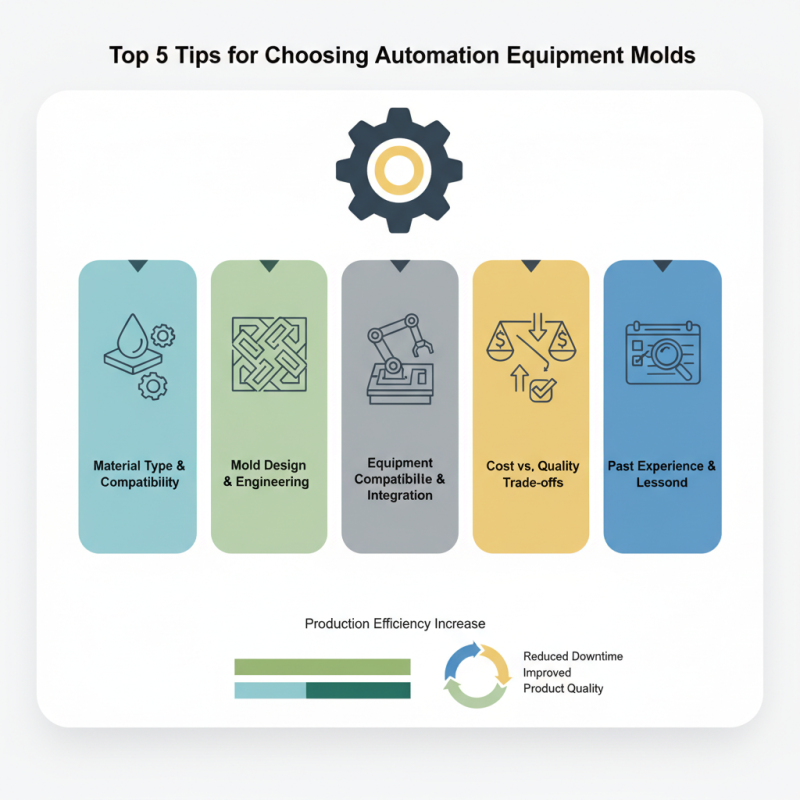
Many factors influence the choice of molds. The material type, mold design, and compatibility with existing equipment matter. Brands vary in quality, sometimes leading to confusion. Reflecting on past choices might reveal mistakes to avoid this time.
Consider potential challenges. Cost is often a critical factor, yet it shouldn't compromise quality. Carefully weighing trade-offs will help in making informed decisions. Strive to find molds that enhance productivity while meeting unique requirements.
Understanding Your Automation Needs and Workflow
Understanding your automation needs and workflow is crucial for selecting the right equipment molds. Begin with a clear assessment of your production goals. What products will you be creating? Consider the volume and complexity. High-volume production requires durable molds. Simpler products might allow for more flexible options.
Examine your existing workflow as well. Are there bottlenecks in your process? Identify where automation could enhance efficiency. Analyzing current tasks reveals specific requirements for molds. For example, if maintaining precise tolerances is essential, prioritize molds designed for that purpose.
Seek feedback from your team. Their hands-on experience offers valuable insights. They may identify needs you hadn't considered. This step often uncovers overlooked aspects of your workflow. Remember, the goal is not just to automate but to improve overall productivity. Without thoughtful planning, you risk selecting molds that don’t fit your needs.
Top 5 Automation Equipment Molds Usage Analysis
Assessing Design and Precision Requirements
When assessing design and precision requirements for automation equipment molds, several factors come into play. Understanding your specific needs is crucial to creating an effective mold. Accuracy in design can significantly impact the overall performance and efficiency of the process. Precision is not just a preference; it is often a necessity.
One important tip is to clarify the tolerances necessary for your project. Precision requirements can vary greatly depending on the application. Sometimes, a tight tolerance might be essential. In other cases, looser tolerances might suffice. Consider where you can compromise without jeopardizing the function. Evaluate your design thoroughly to avoid any potential pitfalls.
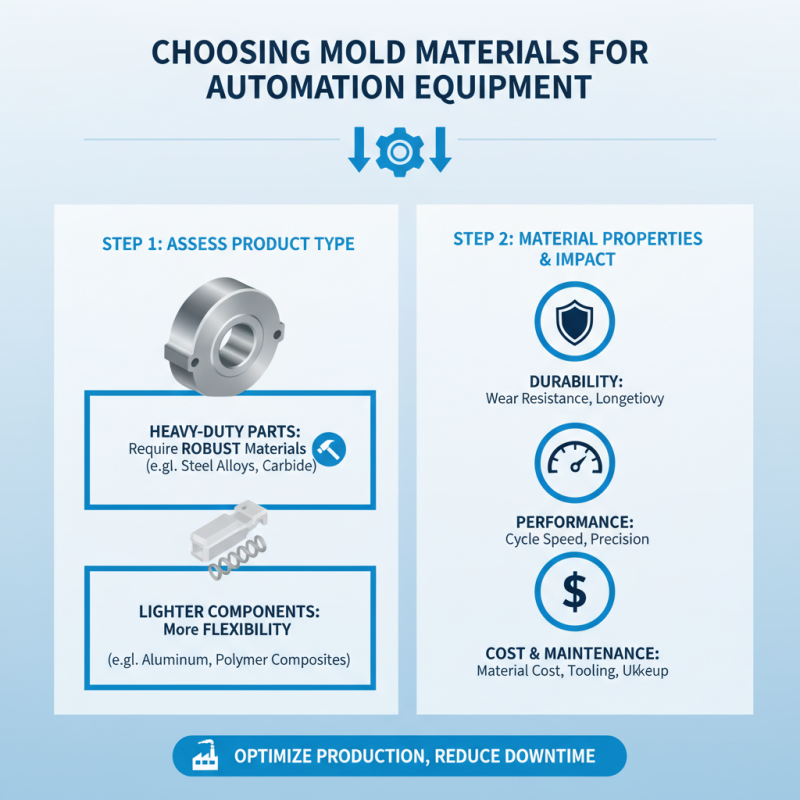
Another consideration is material selection. Different materials can alter how well a mold performs relative to its design. The choice can affect wear and tear over time. Analyze the long-term viability of your options. It's important to ask questions and gather feedback before finalizing your material choices. Always think critically about all possibilities, or you may face costly mistakes later on.
Considering Cost-Effectiveness and Budget Constraints
When selecting automation equipment molds, addressing cost-effectiveness is critical. Many organizations struggle with budget constraints while trying to enhance productivity. According to a recent report from the Automation Industry Association, nearly 70% of companies failed to meet ROI expectations on automation investments due to poor mold choices.
Tip 1: Evaluate your budget thoroughly. Identify all hidden costs, such as maintenance and operational expenses. Sometimes molds appear cheap initially but lead to higher costs later. A mold that caters to multiple applications can save money over time.
Tip 2: Consult industry benchmarks. According to research from the Mold Technologies Institute, molds that provide a longer lifecycle can save up to 25% in costs. Compare different options based on lifecycle data instead of the initial purchase price.
Even amidst strict budget limits, understanding the true cost of molds is paramount. Ensure you're making a well-informed decision that fits both your current needs and future growth. Balancing short-term savings with long-term value can be challenging; repeated analysis is essential to avoid costly mistakes.
Top 5 Tips for Choosing the Right Automation Equipment Molds
| Tip |
Description |
Cost-Effectiveness Rating (1-5) |
Budget Considerations |
| 1. Assess Your Production Volume |
Determine how many units you need, as this will influence mold type and cost. |
4 |
Ensure mold design aligns with expected production rates to avoid overspending. |
| 2. Material Selection |
Choose materials that balance durability and cost for long-term savings. |
5 |
Evaluate the impact of material costs on your budget. |
| 3. Evaluate Mold Complexity |
More complex molds can increase costs; choose the simplest design that meets your needs. |
3 |
Avoid unnecessary features to stay within budget. |
| 4. Supplier Reputation |
Select suppliers with a reliable track record to ensure quality and reduce risks. |
4 |
Consider potential costs associated with poor-quality molds from unreliable suppliers. |
| 5. Total Cost of Ownership |
Look beyond initial costs; factor in maintenance, operation, and longevity. |
5 |
Understand long-term costs to avoid budget overruns. |
Researching Manufacturer Reputation and Support Services
When choosing automation equipment molds, researching manufacturer reputation is crucial. A manufacturer’s history gives insights into their reliability and product quality. Look for reviews and case studies. These can be found online or through industry contacts. A solid reputation often reflects a commitment to customer satisfaction.
Support services are equally important. Evaluate the level of technical support offered. Quick response times can be a game-changer during a project. Consider how accessible the support team is. Are they available for consultations? Technical alignment after purchase is vital. Ask about warranties and replacement parts. A good manufacturer will stand behind their product.
Pay attention to feedback from other customers. It is essential to gather diverse opinions. Sometimes, a manufacturer may have strengths in certain areas but weaknesses in others. This could lead to unforeseen challenges later. Take the time to dig deeper into what others have experienced. This information can guide your decision.