How to Choose the Right Electronic Hardware Molds for Your Needs?
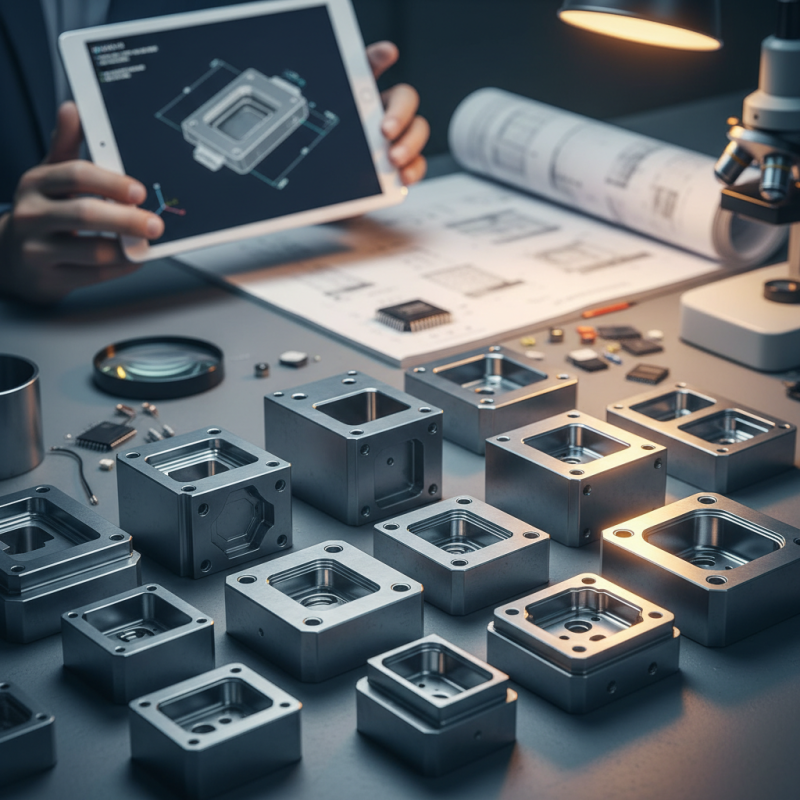
Choosing the right Electronic Hardware Molds is crucial for your project’s success. These molds determine the quality and precision of your electronic components. With various options available, this decision can be overwhelming.
Many factors influence your choice. Consider the material, compatibility, and design complexity. Understanding your specific needs can help narrow down the options. Remember, not all molds are created equal. A perfect mold for one application may not work for another.
Experience plays a vital role. Consult with experts or seek user reviews to learn about the performance of different molds. Their insights can guide you toward better choices. Reflect on past experiences to avoid common pitfalls. This reflection can save you time and resources in the long run.
Factors to Consider When Selecting Electronic Hardware Molds
Selecting electronic hardware molds is crucial for high-quality production. Several factors must guide your decision. Start by considering the material of the mold. Different materials have varying durability and thermal conductivity. Metal molds typically offer longevity but can be costlier. In contrast, plastic molds are lighter but may not withstand high temperatures.
Evaluate your production volume needs. High-volume production often requires more robust molds. Larger quantities may justify the investment in advanced materials. Don't overlook the complexity of the designs involved. Intricate designs might need specialized molds, which can significantly affect costs.
Tips: Always assess your long-term production plans. Anticipating future needs can save expenses. It’s also wise to consult with experts. Their insights can provide invaluable guidance on mold selection. You may find some compromises necessary. Not every mold fits every purpose perfectly, and that’s okay.
Finally, consider the lead time for mold production. Delays can impact your timelines. Being flexible in expectations might help navigate unforeseen challenges.
Types of Electronic Hardware Molds and Their Applications
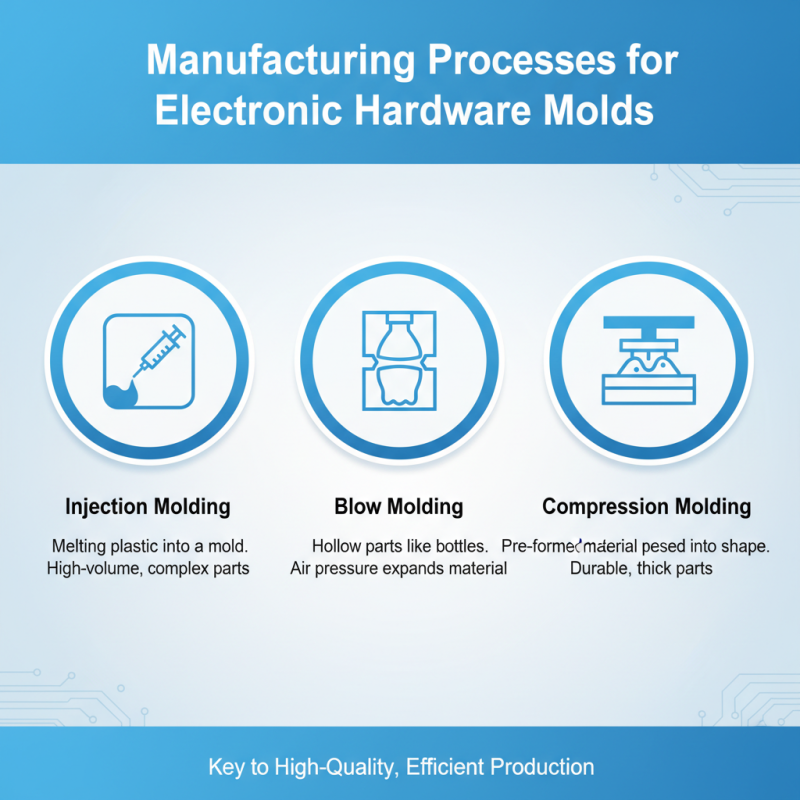
When selecting electronic hardware molds, it's crucial to understand the various types available. Injection molds are commonly used for mass production. They create precise, high-quality parts quickly. However, they can be expensive and time-consuming to produce initially. This factor often leads to concerns about initial investments in new projects.
Another popular type is compression molds. These are versatile and well-suited for larger components. They offer cost-effectiveness for medium-volume production. Yet, the final finish might not match the precision of injection molds. This trade-off often requires careful thought based on your project requirements.
Blow molds are essential for hollow components, suitable for items like containers. The process allows for quick production but may limit design capabilities. Users should weigh the benefits against potential constraints in design. Ultimately, knowing each type's characteristics helps ensure the selected mold aligns with production goals. The right choice can enhance efficiency and reduce costs, but it always demands a thoughtful approach and reflection on usage needs.
Evaluating Material Options for Electronic Molds
When evaluating material options for electronic molds, it's crucial to consider factors like thermal conductivity, durability, and cost-effectiveness. Materials such as metal, silicone, and plastic each have distinct advantages and limitations. For instance, metals like aluminum offer high thermal conductivity but can be costly. On the other hand, silicone is flexible and resistant to heat but may not provide the same structural integrity.
Understanding the application of your mold can guide material selection. A report by the American Society for Plastic Engineers indicates that more than 30% of mold failures are due to poor material choices. This shows the importance of selecting the right material. If your mold requires high precision, consider using engineering plastics like polycarbonate or nylon, which offer excellent mechanical properties.
Tip: Always test your materials under actual working conditions. This will reveal weaknesses not apparent during initial evaluations.
Moreover, sustainability is becoming a priority in production. Many manufacturers are exploring bio-based plastics and recycled materials. These options can significantly reduce the environmental impact. However, the performance of such materials is still under research, meaning they may not be suitable for all applications. Be prepared to balance sustainability with performance needs.
Tip: Keep abreast of industry trends. Engaging with material science seminars or webinars can provide insights into emerging choices.
Understanding the Manufacturing Processes for Molds
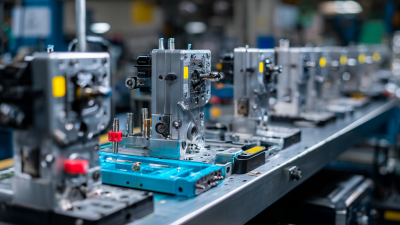
When selecting electronic hardware molds, understanding manufacturing processes is crucial. Molds play a vital role in producing high-quality parts efficiently. The primary methods include injection molding, blow molding, and compression molding. Each technique offers distinct advantages that cater to different production needs.
Injection molding, for instance, is prevalent due to its ability to create detailed parts quickly. According to a report by the Plastics Industry Association, injection molding accounts for over 30% of all plastic production processes. This method can produce a wide range of components, from small connectors to complex housings. However, the initial costs for mold creation can be high, sometimes reaching over $100,000. Companies must weigh these costs against their production volume.
Blow molding, utilized for hollow parts, offers flexibility but has limitations in design complexity. It can produce large quantities at a lower cost per unit. Compression molding is often used for rubber and certain thermosetting plastics, but it may not deliver the precision found in other methods. Each approach has strengths, yet companies must also consider flaws. For instance, surface finish imperfections can arise, necessitating secondary operations. Understanding these nuances can lead to better decisions in mold selection.
Budgeting and Cost Considerations in Mold Selection
When selecting electronic hardware molds, budgeting and cost considerations play a crucial role. Often, the initial price tag can be misleading. Cheaper molds may save money upfront but can lead to higher maintenance costs later. Investing in durable, high-quality molds can reduce the need for frequent replacements. Quality molds often yield better production results, which can enhance overall efficiency.
Beyond the mold itself, consider tooling costs and production scale. The size and complexity of the mold directly affect the overall budget. Custom molds can be expensive, but they may offer unique benefits tailored to your project's needs. Ensure you factor in shipping and handling costs as well, as these can add up unexpectedly.
It’s essential to evaluate your specific requirements. Sometimes, functionality matters more than cost. Understand how costs tie into long-term production efficiency. Reflect on your priorities: Is it quality, speed, or flexibility? Balancing these can lead to smarter budgeting and mold selection. Be prepared to iterate on your decisions as you gain insight into your production needs.
How to Choose the Right Electronic Hardware Molds for Your Needs? - Budgeting and Cost Considerations in Mold Selection
| Mold Type |
Material |
Cost Range (USD) |
Typical Lead Time |
Production Volume |
| Injection Mold |
Steel |
$10,000 - $50,000 |
4 - 8 weeks |
1000 - 100,000 units |
| Blow Mold |
Aluminum |
$5,000 - $30,000 |
3 - 6 weeks |
500 - 50,000 units |
| Compression Mold |
Plastic |
$2,000 - $20,000 |
2 - 4 weeks |
100 - 10,000 units |
| Die Cast Mold |
Zinc |
$15,000 - $70,000 |
5 - 10 weeks |
1000 - 100,000 units |
| 3D Printed Mold |
PLA |
$500 - $5,000 |
1 - 2 weeks |
10 - 1,000 units |