What is Electric Vehicle Mold Types and Their Importance?
Electric vehicles (EVs) are transforming the automotive industry. Their design relies heavily on innovative technologies. One critical aspect of EV production is the use of Electric Vehicle Mold. These molds help create components that are lightweight and durable. However, the variety of mold types available can be overwhelming.
Understanding the different Electric Vehicle Mold types is essential for manufacturers. Each type offers unique benefits and challenges. For example, injection molds are common for precise parts, while compression molds serve for larger components. The choice of mold impacts production speed and quality. Therefore, knowledge about each type is vital for efficiency.
Many manufacturers may overlook the significance of proper mold selection. Developing a specific component with the wrong mold could lead to defects or delays. New technologies also bring challenges. As EV designs evolve, molds must keep pace with changing needs. This ongoing adaptation signifies the importance of Electric Vehicle Mold in the journey toward sustainable transportation.
Types of Molds Used in Electric Vehicle Manufacturing Processes
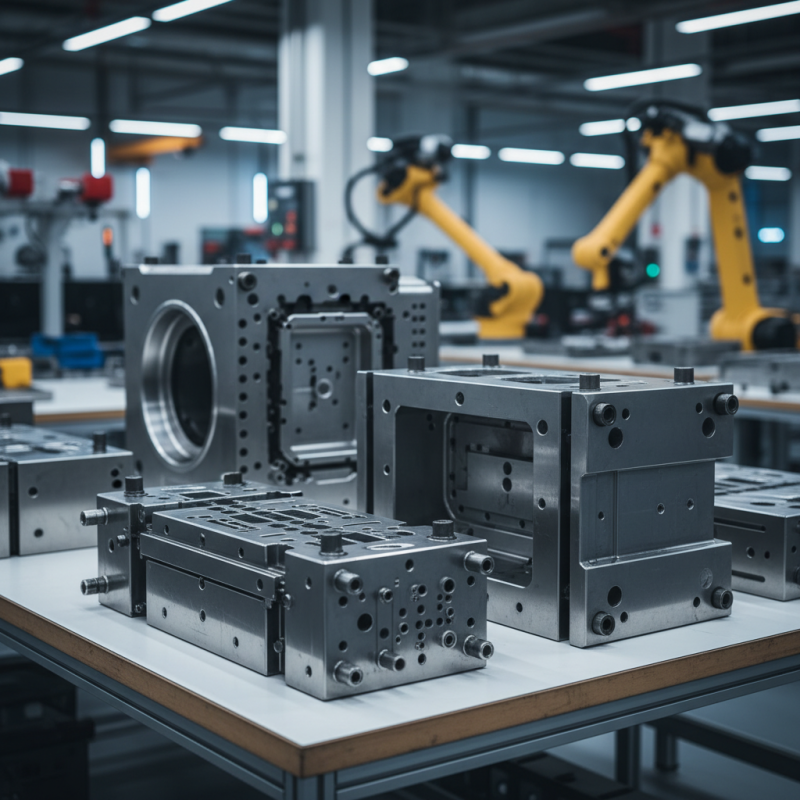
The electric vehicle (EV) industry is rapidly evolving, and the molds used in manufacturing processes play a crucial role. Molds are essential for creating different components of EVs, such as battery casings and panels. Various types of molds, including injection molds and blow molds, are crucial for shaping materials efficiently. Research indicates that the global automotive mold market is expected to reach USD 46.56 billion by 2026, reflecting a growing emphasis on high-performance composites.
Injection molds are particularly significant for producing high-volume parts. They allow for precise tolerances and complex geometries. With EVs using lightweight materials to enhance range and efficiency, molds must accommodate these shifts. Unfortunately, many manufacturers still struggle with optimizing their mold designs, leading to issues like longer production times or increased costs.
Blow molds, often used for hollow parts, are gaining attention. They are ideal for creating lightweight structures, which directly impacts the vehicle's performance. However, challenges persist in achieving the desired wall thickness and uniformity. This can hinder efficiency and sustainability goals in production. Increasing awareness of the mold's impact on the entire manufacturing process is essential for continuous improvement in the EV sector.
Importance of Mold Design in Efficient Electric Vehicle Production
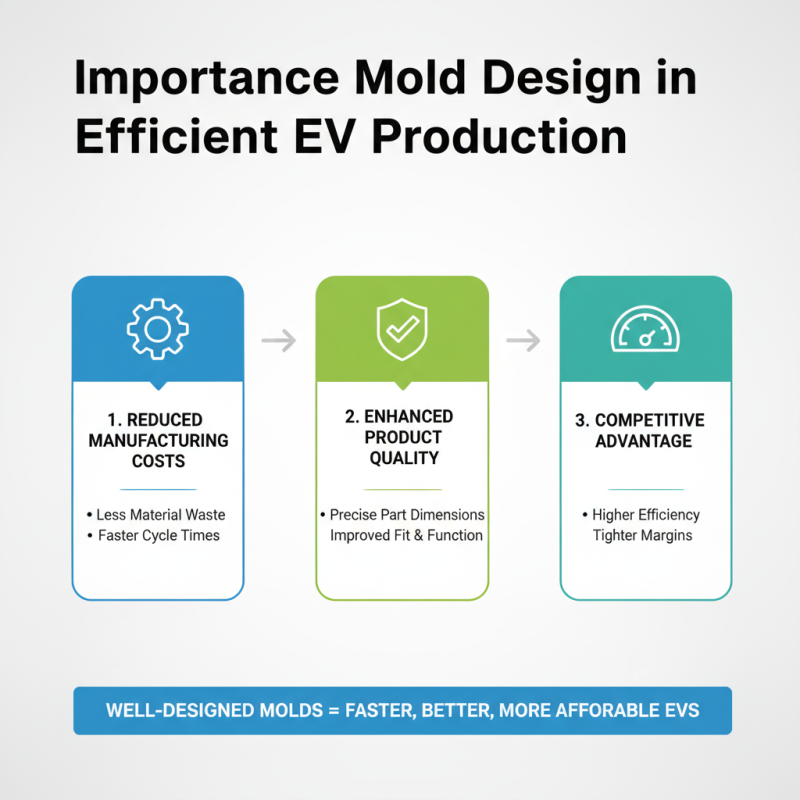
Mold design plays a crucial role in the production of electric vehicles (EVs). Well-executed mold designs can significantly reduce manufacturing costs and enhance product quality. For instance, precise molds facilitate consistent part dimensions, leading to better fit and function. This efficiency is vital in the competitive EV market, where margins are tight.
Moreover, the material selection within mold design affects the overall performance of the vehicle components. Innovative materials can lead to lighter and more efficient parts, which boost the vehicle's range. However, the process is not without challenges. Designers must balance durability with weight and cost. Achieving this balance requires extensive industry knowledge and experience.
Not all molds perform perfectly from the outset. Often, prototypes reveal unforeseen issues. Designers may need to revisit their initial concepts and adjust specifications. This iterative process is vital in honing the molds to meet industry standards. Continuous improvement leads to better designs and, ultimately, more efficient EV production.
Impact of Material Selection on Electric Vehicle Mold Durability
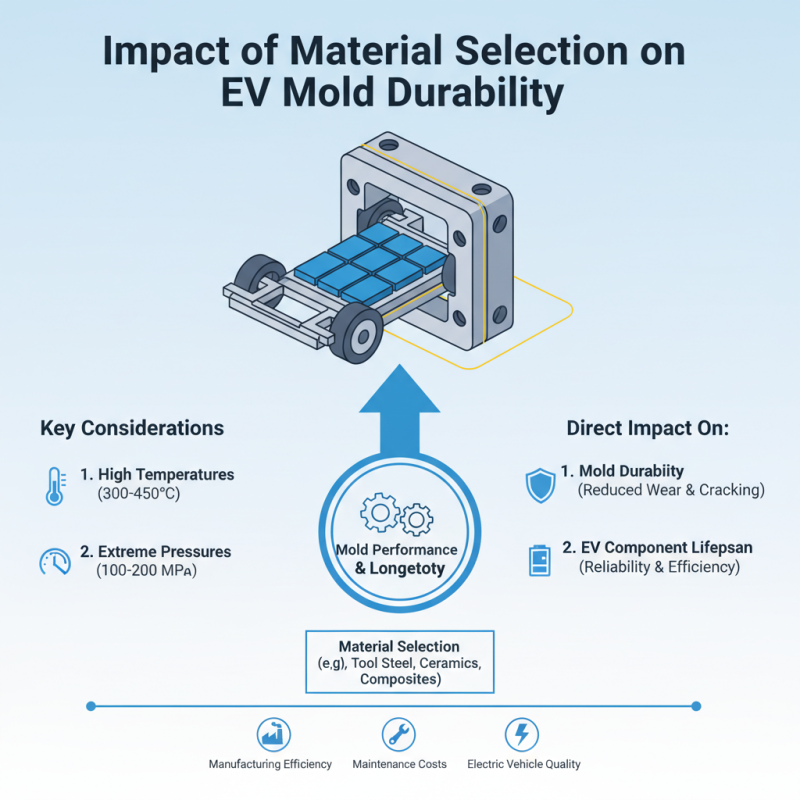
The selection of materials for electric vehicle (EV) molds plays a crucial role in their performance and longevity. Molding materials must withstand high temperatures and pressures during production. Choosing the right material affects the mold's durability and the lifespan of the EV components.
Common materials include aluminum, steel, and composite materials. Each has unique properties. For example, aluminum molds are lightweight and provide excellent thermal conductivity. However, they may have a shorter lifespan compared to steel molds, which offer superior strength but are heavier. Composite materials can balance these properties, but they require careful handling.
**Tip:** Always consider the specific application when selecting mold materials. What works for one component may not work for another. Analyze the production process and thermal demands.
Durability is vital for EV molds, as any failure can lead to costly production delays. Molds must resist wear and tear from repeated use. Manufacturers often overlook this aspect, rushing material choice without full consideration of performance under stress. The wrong selection can result in increased maintenance costs, impacting production schedules.
**Tip:** Conduct thorough testing of materials to ensure they meet the necessary specifications. Document performance data to guide future projects.
Technological Advancements in Electric Vehicle Mold Manufacturing
The electric vehicle (EV) industry is rapidly evolving. Mold manufacturing plays a pivotal role in this growth. Modern techniques create lightweight, durable components. These molds ensure efficiency in vehicle production.
Technological advancements in mold manufacturing have reshaped the industry. Reports indicate that the global EV mold market is expected to grow by over 15% annually through 2028. Advanced injection molding methods have improved precision and reduced waste. However, not all manufacturers adapt quickly. Some still rely on outdated techniques, leading to inconsistencies.
High-quality molds are crucial for enhancing vehicle performance. They contribute to battery housings, chassis components, and interior parts. Properly designed molds can minimize production errors, thus ensuring a lightweight product. Yet, challenges remain. As the demand increases, manufacturers must innovate or risk falling behind. Keeping up with technological advancements is essential for sustainability and competitiveness.
What is Electric Vehicle Mold Types and Their Importance?
| Mold Type |
Material Used |
Weight (kg) |
Production Time (days) |
Importance in EV Manufacturing |
| Injection Mold |
Steel, Aluminum |
25 |
30 |
High precision, suitable for complex shapes |
| Blow Mold |
Polymer |
20 |
25 |
Ideal for hollow parts like battery casings |
| Compression Mold |
Rubber, Thermosetting Plastics |
30 |
40 |
Used for parts that require high elasticity |
| Rotational Mold |
Polyethylene |
40 |
35 |
Creates large and lightweight parts |
| Die Casting Mold |
Aluminum, Zinc |
15 |
20 |
Provides high strength and thermal conductivity |
Market Trends and Data on Electric Vehicle Mold Demand Growth
The electric vehicle (EV) market is on a significant rise. According to a report from the International Energy Agency, global electric vehicle sales surged by 40% in 2020. This surge has created a pressing need for advanced mold types in the manufacturing of various EV components. Molds play a crucial role in shaping battery enclosures, casings, and other critical parts.
Market research indicates that the demand for EV molds is expected to grow at a compound annual growth rate (CAGR) of approximately 9% from 2021 to 2028. This growth is driven by the increasing emphasis on lightweight and efficient materials. Notably, innovations in composite materials require specialized molds. Manufacturers face challenges in adapting to these evolving requirements while maintaining production speed and quality.
Not only is there a growing demand for innovative mold designs, but existing molds also need upgrades. The push for sustainability requires molds that reduce waste and energy consumption. Moreover, many manufacturers are struggling to meet these new standards. The landscape of EV mold production is constantly shifting, with industry players needing to be agile to stay relevant and competitive.
Electric Vehicle Mold Demand Growth
The chart above illustrates the growing demand for electric vehicle molds from 2020 to 2024, reflecting industry trends and the increasing production of electric vehicles.