2026 How to Leverage Advanced Mold Technology for Manufacturing?
Advanced Mold Technology (AMT) is reshaping the manufacturing landscape. The global market for mold technology is expected to reach $45 billion by 2026, according to industry reports. This growth reflects a shift towards more efficient, precise, and sustainable production methods.
Companies are increasingly adopting AMT to enhance their capabilities. With advancements in materials and software, manufacturers can create complex designs with accuracy. This leads to reduced waste and improved product quality. Yet, many businesses face challenges in integrating these technologies effectively. The learning curve can be steep, and investment costs can be substantial.
Despite these hurdles, the benefits of Advanced Mold Technology are compelling. As industries seek to innovate, AMT can offer a competitive edge. However, organizations must critically assess their strategies to ensure successful implementation. Striking a balance between investment and capability development remains a key consideration for long-term success.

Understanding Advanced Mold Technology in Manufacturing
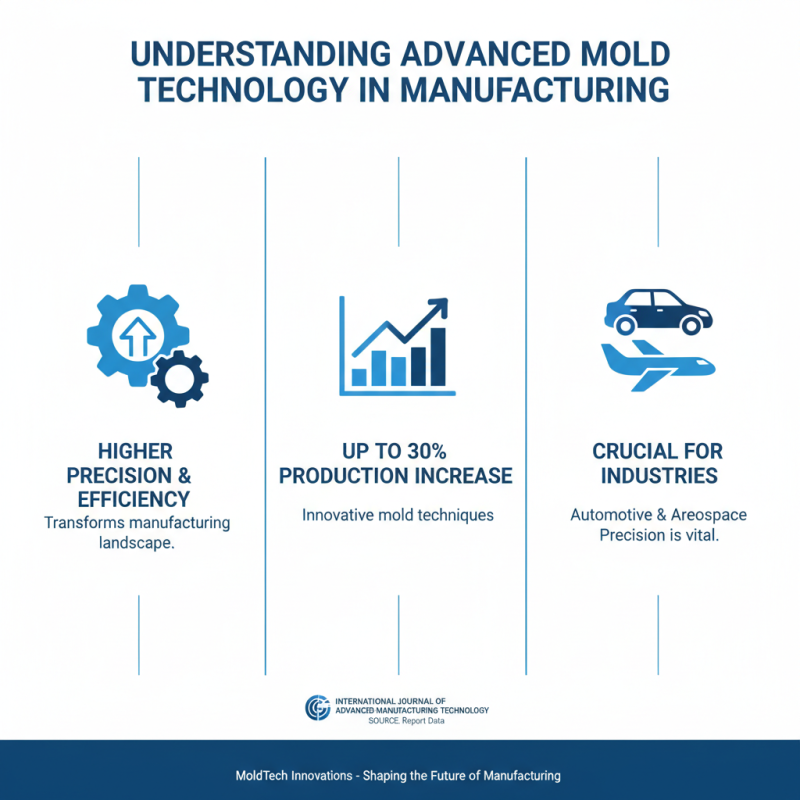
Advanced mold technology is transforming the manufacturing landscape. This evolution allows manufacturers to achieve higher precision and efficiency. According to a report by the International Journal of Advanced Manufacturing Technology, companies using innovative mold techniques can improve production rates by up to 30%. This trend is crucial for industries, particularly automotive and aerospace, where precision is vital.
Employing advanced mold technology does come with challenges. Not every manufacturer can easily adopt these sophisticated processes. Issues such as high initial costs and the need for specialized training can hinder progress. Additionally, not all materials are compatible with these advanced methods, leading to potential quality concerns. However, manufacturers willing to invest in this technology often see significant long-term benefits.
Precision is not solely about speed; it also ensures product reliability. Advanced designs can minimize defects, boosting overall product quality. A study by SME Manufacturing indicates that the implementation of precision molds can reduce scrap rates by approximately 25%. Yet, manufacturers should remain vigilant. Continuous assessment of mold performance and material interactions is essential to address possible shortcomings.
Key Advantages of Advanced Mold Technology for Production Efficiency
Advanced mold technology is transforming manufacturing by enhancing production efficiency significantly. Reports indicate that companies using advanced mold techniques can boost output by up to 30%. This impact is largely due to shorter cycle times and improved precision. For example, improved cooling channels in molds reduce production time, allowing for faster turnaround.
Investing in advanced molds may seem costly initially. However, the long-term savings are substantial. A 2022 study highlighted that businesses saw a reduction in material waste by 20% through more accurate molding processes. This not only cuts costs but also supports sustainability efforts, reflecting the increasing demand for eco-friendly practices in manufacturing.
**Tip:** Regular maintenance of molds is crucial. A neglected mold can lead to defects, costing time and money.
**Tip:** Training your staff on the latest molding technologies can maximize the benefits of these advancements. Investing in human resources amplifies the efficiency of technological upgrades.
Despite the advantages, some manufacturers may struggle with the shift to advanced molds. Transitioning may require adjustments in production lines and employee retraining. However, overcoming these initial challenges can pave the way for reduced operational costs and enhanced scalability. The future of efficient production lies in leveraging these technologies effectively.
Innovative Materials and Techniques in Advanced Mold Design
The landscape of manufacturing is continuously evolving. Advanced mold technology plays a crucial role in this transformation. Recent studies indicate that the global injection molding market is projected to reach $382 billion by 2026. This increase emphasizes the importance of adopting innovative materials and techniques.
Composite materials, such as thermoplastics reinforced with carbon fibers, offer notable advantages. They provide not only enhanced strength but also reduced weight. A report by MarketsandMarkets shows that the use of these materials can lead to a 30% reduction in production costs. Techniques like 3D printing have also emerged as vital tools in mold design. They enable rapid prototyping, allowing manufacturers to test and refine designs quickly. Yet, reliance on these technologies can introduce challenges. Not all molds printed in-house meet industry standards, raising concerns about consistency and quality.
Furthermore, the integration of smart technologies in mold production is on the rise. Sensors can monitor conditions during the injection molding process. This data-driven approach can boost efficiency and reduce waste. However, manufacturers must be cautious. Investing in new technology isn't foolproof. It requires ongoing training and adjustment to effectively harness these innovations. Balancing technology adoption with skilled labor is a persistent hurdle in the industry.
2026 Advanced Mold Technology Impact on Manufacturing
Implementing Advanced Mold Technologies: Best Practices
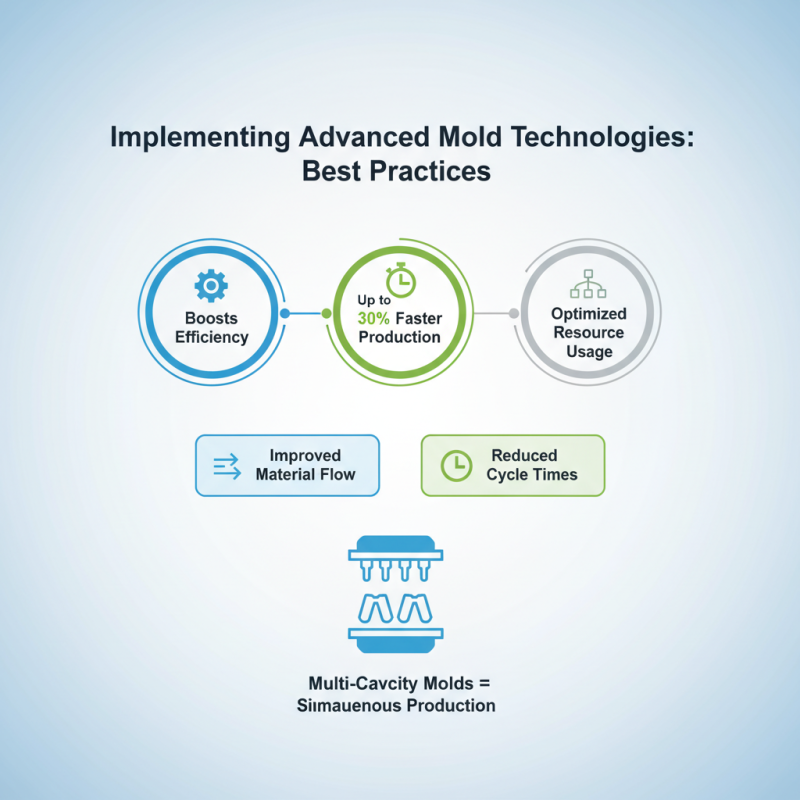
Implementing advanced mold technologies can significantly enhance manufacturing efficiency. In a recent industry report, it was noted that adopting modern mold techniques could increase production speed by up to 30%. This improvement is largely due to better material flow and reduced cycle times. For instance, using multi-cavity molds can facilitate the production of several parts simultaneously, optimizing resource usage.
Best practices in these technologies focus on precision and quality control. It is essential to invest in advanced simulation software. This enables manufacturers to predict potential issues before production begins. Utilizing real-time data analytics can help monitor mold performance, reducing downtime by approximately 25%. However, companies must also be cautious. Over-reliance on technology may lead to overlooking human expertise and craftsmanship. Continuous training and assessment of team skills remain critical.
Another important factor is maintenance. Regular check-ups on mold conditions help prevent costly breakdowns. Reports show that mold failure can lead to a production loss of up to 20%. Establishing robust preventive measures can mitigate these risks. Emphasizing a balanced approach between technology and human insight is vital for long-term success in advanced molding practices.
Future Trends in Mold Technology and Their Impact on Manufacturing
The evolution of mold technology is reshaping manufacturing landscapes. Advanced materials like thermoplastics and composites are now prevalent. According to a recent report by MarketsandMarkets, the global injection molding market is projected to reach $300 billion by 2026. This growth is driven by innovations in mold design and manufacturing processes.
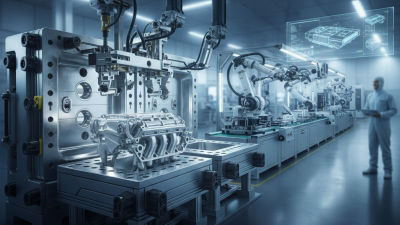
Automation plays a critical role in enhancing mold production efficiency. Robotic arms now assist in the intricate tasks of mold assembly and inspection. The integration of AI algorithms in mold design allows for rapid prototyping and reduced errors. These advancements help manufacturers respond swiftly to market changes, but they also raise questions about workforce adaptation.
Sustainability trends influence mold technologies as well. Manufacturers increasingly seek eco-friendly materials and processes. Reports indicate that nearly 40% of firms plan to invest in sustainable technologies by 2025. However, implementing these practices can be complex. Achieving a balance between cost and sustainability remains a significant challenge for many companies in the sector.
2026 How to Leverage Advanced Mold Technology for Manufacturing?
| Technology Type |
Advantages |
Current Applications |
Future Trends |
| 3D Printing Technology |
Rapid prototyping, cost-effective for small batches |
Custom molds, complex geometries |
Integration with AI for adaptive manufacturing |
| Injection Molding |
High efficiency, large-scale production |
Automotive parts, consumer goods |
Sustainability through bio-based materials |
| CNC Machining |
Precision accuracy, flexibility in design |
Prototype molds, maintenance parts |
Automation and IoT integration |
| Additive Manufacturing |
Reduced waste, improved design flexibility |
Medical devices, aerospace components |
Personalized manufacturing on demand |