Top Analysis Of Mold Market Trends You Need To Know in 2023
The mold market has seen significant changes in recent years, driven by various factors including technological advancements, increasing demand across sectors, and evolving consumer preferences. According to the latest report from Market Insights, the mold market is projected to grow at a CAGR of 4.5% over the next five years, highlighting an emerging trend towards more sustainable and efficient production methods. This growth is further supported by the increasing adoption of advanced manufacturing technologies, such as 3D printing and automation, which are reshaping the landscape of mold production.
Experts in the field, such as Dr. Emily Carter, a leading analyst with Global Insights Group, note the importance of staying ahead of market trends: "Understanding the Analysis Of Mold Market Trends is crucial for businesses looking to innovate and adapt in a competitive environment." Her insights emphasize the necessity for industry stakeholders to continually analyze market dynamics to identify opportunities for growth and improvement. As we delve into the key trends shaping the mold industry in 2023, it becomes clear that adopting a forward-thinking approach is essential for success.

Current State of the Mold Market: Key Insights for 2023
The mold market in 2023 presents a dynamic landscape influenced by shifting consumer preferences, regulatory changes, and technological advancements. As environmental awareness grows, there is a noticeable increase in demand for sustainable and eco-friendly mold solutions. Manufacturers are responding by developing materials that minimize ecological impact while maintaining performance. This trend is particularly evident in industries such as construction and automotive, where companies are seeking ways to incorporate sustainable practices into their production processes without compromising quality.
In addition to sustainability, the mold market is seeing innovations in manufacturing techniques that enhance efficiency and reduce costs. Advancements in automation and 3D printing are reshaping the production processes, allowing for quicker turnaround times and greater precision in mold creation. These technological shifts are essential in meeting the increasing demand for customized solutions across various sectors. The combination of sustainability and innovation not only indicates a positive trajectory for the mold market but also reveals new opportunities for growth and collaboration among industry players. As businesses adapt to these trends, they are likely to drive further advancements, making 2023 a pivotal year for the mold industry.
Top Analysis Of Mold Market Trends in 2023
The global mold market has shown steady growth from 2020 to 2023, with an increasing market value attributed to advancements in manufacturing processes and rising demand across various industries. The projected market value for 2023 stands at approximately $8.3 billion, highlighting the significant expansion and potential of this industry.
Emerging Trends Influencing Mold Production and Technology
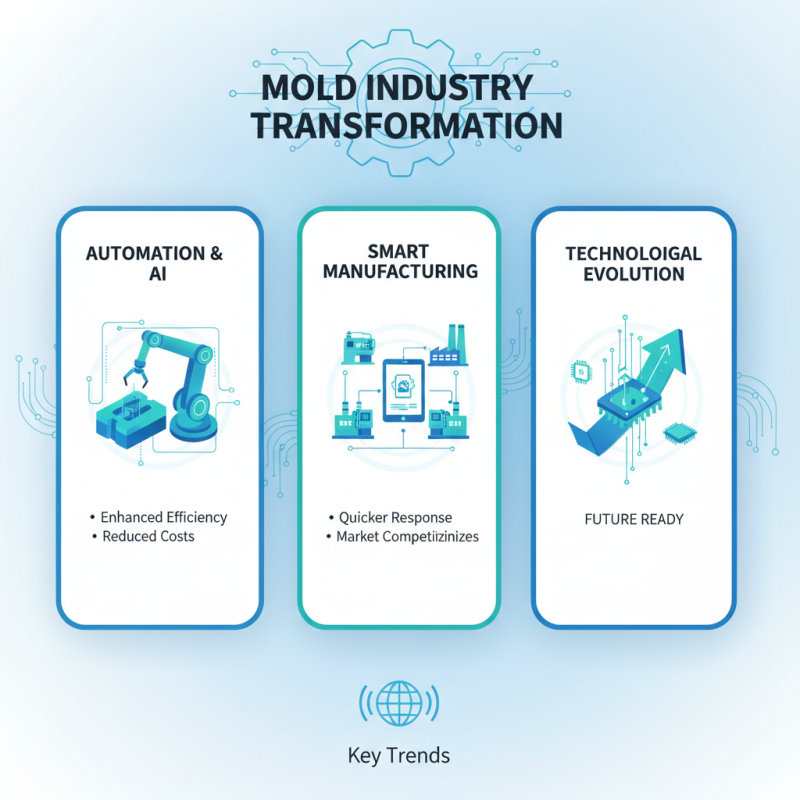
The mold industry is experiencing a significant transformation, driven by several emerging trends in production and technology. One notable shift is the increasing integration of automation and smart manufacturing processes. By adopting advanced robotics and artificial intelligence, manufacturers can enhance efficiency and reduce production costs. This technological evolution facilitates quicker response times to market demands, ensuring that companies stay competitive in a rapidly changing landscape.
Another trend shaping the mold market is the growing emphasis on sustainability. Manufacturers are exploring eco-friendly materials and processes to minimize their environmental impact. Biodegradable and recyclable materials are gaining traction, catering to a more environmentally conscious consumer base. Additionally, energy-efficient production methods are being implemented to reduce carbon footprints, aligning with global sustainability goals. These trends not only contribute to a greener future but also offer businesses the opportunity to differentiate themselves in the marketplace through innovative practices.
As the mold market moves forward, these emerging trends in production and technology will play a critical role in defining the industry's trajectory. Staying attentive to these developments enables manufacturers to adapt and thrive in an ever-evolving environment.
Impact of Environmental Regulations on Mold Manufacturing
The mold manufacturing industry is significantly shaped by environmental regulations aimed at reducing pollution and promoting sustainable practices. In 2023, these regulations have become more stringent, pushing manufacturers to adopt greener processes and materials. The need for compliance has increased operational costs for some, but it has also opened up opportunities for innovation. Companies are now investing in research and development to create eco-friendly molds, which align with the growing consumer demand for sustainable products.
Regulatory frameworks often focus on minimizing volatile organic compounds (VOCs) emissions and reducing waste in the production process. This has prompted many manufacturers to rethink their supply chains and the types of materials they use. By switching to bio-based or recycled materials, they not only comply with environmental standards but also appeal to a market that is increasingly concerned about sustainability. As a result, the integration of environmentally friendly practices in mold manufacturing is not just a response to regulations, but a strategic move to enhance brand reputation and secure competitive advantage in a rapidly evolving market landscape.
Top Analysis Of Mold Market Trends You Need To Know in 2023 - Impact of Environmental Regulations on Mold Manufacturing
| Trend |
Impact Type |
2023 Predicted Growth (%) |
Key Environmental Regulation |
| Increased Sustainable Materials Usage |
Positive |
15 |
Sustainable Production Mandates |
| Reduction in VOC Emissions |
Positive |
10 |
Clean Air Act Compliance |
| Adoption of Bio-Based Mold Technologies |
Positive |
12 |
Biomaterials Standards |
| Circular Economy Implementation |
Positive |
20 |
Waste Reduction Regulations |
| Increased Energy Efficiency Standards |
Mixed |
5 |
Energy Policy Act |
Consumer Preferences and Market Demand Shaping Mold Design
In 2023, the mold market is experiencing significant shifts driven by evolving consumer preferences and market demands. Today’s consumers are not only looking for functionality but also for aesthetic appeal and sustainability in mold design. This trend is evident as more manufacturers prioritize eco-friendly materials and versatile designs that cater to the latest consumer tastes. Mold designs are increasingly reflecting popular trends in interior decor and lifestyle, making them desirable for both practical and decorative purposes.
Tips for manufacturers include staying attuned to customer feedback through surveys and social media interactions. Engaging with your audience can provide valuable insights into specific design preferences, encouraging innovation that aligns with market trends. Additionally, consider incorporating customizable features in your mold designs to cater to diverse consumer tastes, offering options that allow users to express their individual style.
As the demand for personalized products grows, investing in research and development to explore new materials and technologies will be essential. Keeping abreast of sustainability practices not only aligns products with consumer values but also enhances the brand's reputation. By being proactive in understanding and responding to changing consumer expectations, businesses can effectively navigate the complex landscape of the mold market in 2023.
Future Predictions: What to Expect in the Mold Industry Beyond 2023
As we look beyond 2023, the mold industry is expected to experience significant advancements driven by technological innovations and consumer demands for sustainability. The increasing awareness of indoor air quality and the need for healthier living environments are likely to push the market towards more eco-friendly mold solutions. Anticipated developments in bio-based and non-toxic materials could reshape product offerings, responding to growing concerns about allergens and toxic substances often associated with traditional mold solutions.
Furthermore, the integration of smart technologies in mold prevention and management is poised to emerge as a key trend. Innovations such as IoT-enabled sensors for moisture detection and real-time monitoring systems will cater to both residential and commercial sectors, enabling proactive mold management strategies. As the industry moves forward, the emphasis on data-driven decision-making will become increasingly important, allowing stakeholders to mitigate mold-related risks effectively. Overall, the evolution of the mold industry will be characterized by a blend of environmental consciousness and technological progress, setting the stage for a healthier future.