Top Decorative Mold Trends for 2025 How to Choose the Best Styles and Designs
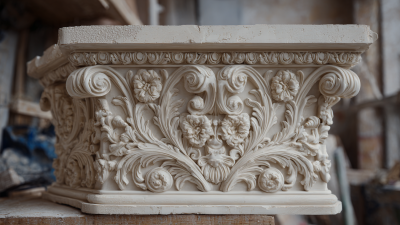
As we look forward to 2025, interior design trends are evolving, and one captivating element that’s gaining momentum is Decorative Mold. This architectural feature offers an exquisite way to enhance the aesthetics of various spaces, from traditional homes to modern lofts. With a multitude of styles and designs available, homeowners and designers alike are drawn to the versatility that Decorative Mold brings; whether it's in the form of intricate cornices, charming ceiling medallions, or stylish wainscoting, these molded elements contribute depth and character to interiors.
Selecting the right Decorative Mold can be a rewarding yet challenging process. The key lies in understanding the different styles available and how they align with your vision for your space. From sleek and contemporary designs to ornate, classic motifs, the spectrum of options caters to diverse tastes. As we explore the top trends for 2025, it's essential to consider factors such as your existing decor, overall aesthetic goals, and how Decorative Mold can be used to create a cohesive look throughout your home. Embracing these trends allows for creative expression and the opportunity to transform ordinary spaces into extraordinary showcases of personal style.
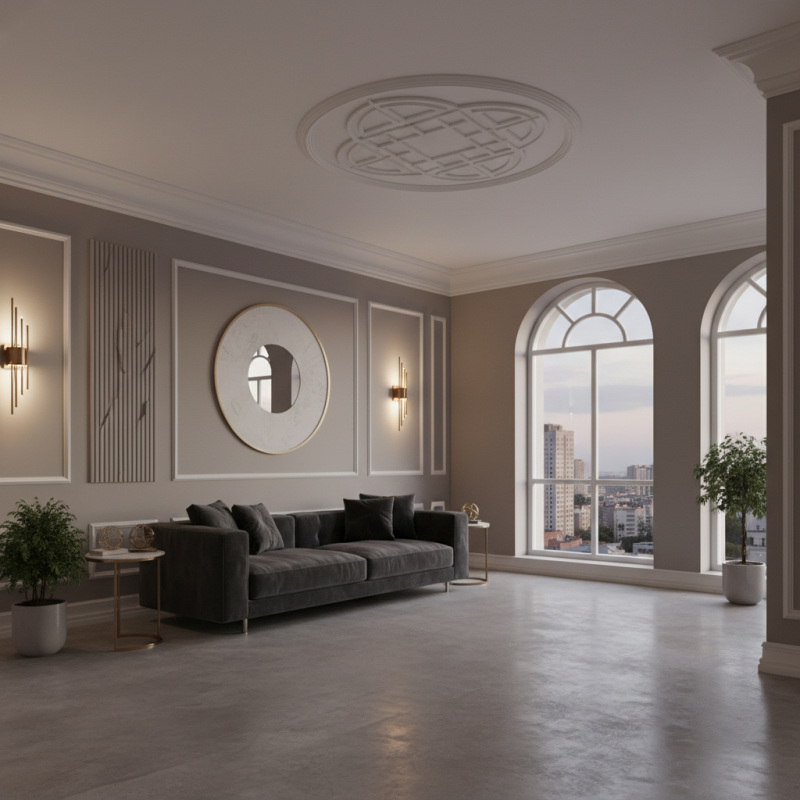
Top Decorative Mold Trends for 2025: An Overview of Styles and Materials
As we look ahead to 2025, the realm of decorative molds is evolving, showcasing innovative styles and materials that cater to diverse aesthetic preferences. A significant trend is the use of natural materials such as clay and plaster, which offer a rustic yet sophisticated appeal.
These materials not only enhance the tactile experience of spaces but also bring an organic touch that resonates with an increasing desire for sustainability in interior design. Intricate designs featuring floral motifs or geometric patterns can transform a simple wall or ceiling into a statement piece, inviting creativity and individuality into various environments.
In addition to traditional materials, the advent of modern technologies has introduced new possibilities in decorative mold design. The rise of 3D printing allows for more intricate and customized patterns, enabling homeowners and designers to create unique solutions that cater specifically to personal tastes.
Moreover, the incorporation of metallic finishes and bold colors adds a contemporary twist to classic mold styles, bridging the gap between vintage elegance and modern flair. As trends continue to develop, the key to selecting the best decorative molds will lie in balancing personal style with the harmonious integration of these new materials and designs into existing spaces.
The Rise of Sustainable Mold Options: Eco-Friendly Materials for 2025
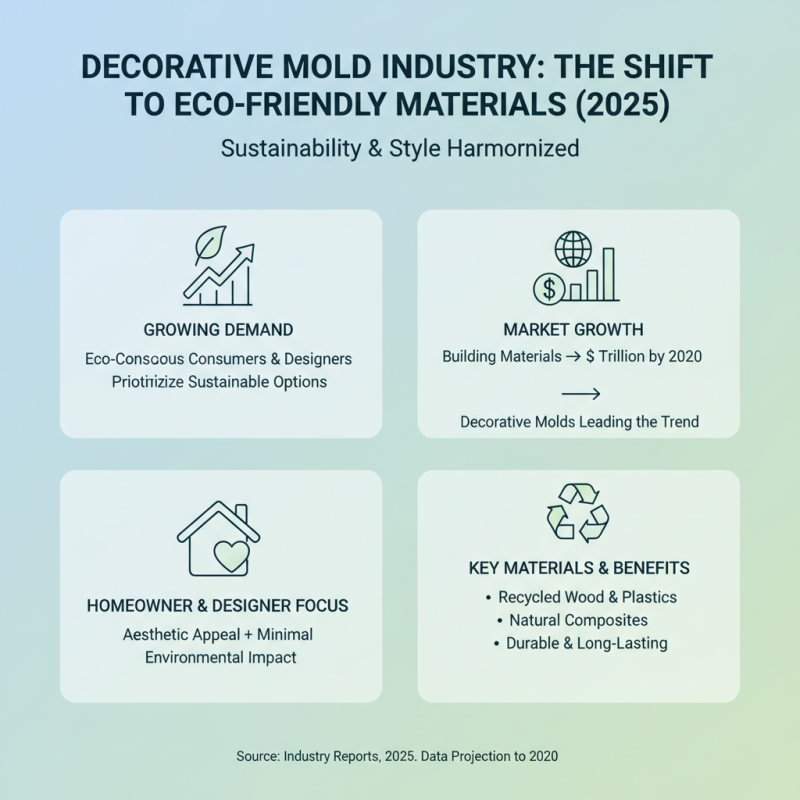
As the interest in sustainability continues to grow, the decorative mold industry is witnessing a significant shift towards eco-friendly materials in 2025. Recent industry reports have indicated that the global market for sustainable building materials is expected to reach $1 trillion by 2030, with decorative mold products increasingly leading this trend. Homeowners and designers are prioritizing materials that not only enhance aesthetic appeal but also minimize environmental impact, reflecting a broader commitment to sustainability in interior design.
Eco-friendly options such as recycled plastics, reclaimed wood, and rapidly renewable materials like bamboo are gaining popularity among consumers. According to a recent survey by the Green Building Council, more than 70% of architects and designers are incorporating sustainable materials into their projects, often citing customer demand as a key driver. This push for green alternatives is not only reshaping aesthetic preferences but also influencing manufacturing practices, with many companies exploring innovative production methods that reduce carbon footprints and waste.
Moreover, the aesthetic flexibility of sustainable mold options is a significant advantage. Designers can now achieve a range of styles — from rustic to modern — while ensuring that their choices support ecological balance. As the decorative mold market evolves, trends such as biophilic design, which integrates natural elements into interiors, are making a considerable mark. The emphasis on sustainability is expected to redefine design philosophies, pushing for a harmonious blend of beauty and responsibility in home decor choices throughout 2025 and beyond.
Color Palettes in Decorative Molds: Trending Shades for Modern Interiors
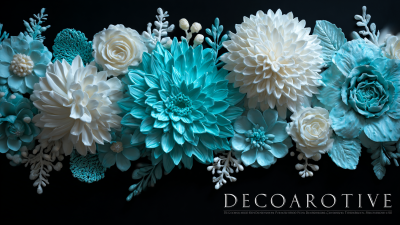
When it comes to modern interiors, color palettes play a crucial role in defining the aesthetic and atmosphere of a space. In 2025, the trend is leaning towards earthy tones and soft pastels, providing a calming backdrop for decorative moldings. Shades like sage green, terracotta, and muted blues are gaining popularity as they evoke a sense of nature and serenity, making rooms feel both welcoming and fresh. Incorporating these colors into decorative molds can enhance their visual appeal, allowing them to standout while blending harmoniously with the overall decor.
Tips for choosing the perfect color for your decorative molds include first considering the existing color scheme of your space. Opt for colors that either complement or contrast beautifully with your walls and furnishings. Additionally, think about the mood you want to create; warmer tones can create an inviting atmosphere, while cooler shades can add a contemporary and sophisticated touch. Experimenting with different color combinations on a small section can also help you visualize the final effect before committing to a choice.
As you select designs for your decorative molds, consider using two or three trending colors to create depth and interest. For instance, a combination of soft beige with a rich forest green can create a stunning visual impact. Layering these colors in your mold designs can highlight architectural features, drawing attention to their intricate details and giving your interior spaces a modern yet timeless look.
How to Choose Decorative Molds: Expert Tips from Industry Designers
When choosing decorative molds, the first step is to understand the various styles available and how they align with your overall design vision. Experts recommend starting with a clear concept of the space you are enhancing. Consider factors such as color schemes, themes, and the emotional atmosphere you wish to create. This foundational understanding will guide your selection process, enabling you to choose molds that not only complement your design but also enhance the aesthetic appeal of the environment.
Another essential tip from industry designers is to prioritize the material quality and versatility of the molds. High-quality materials will ensure durability and maintain the intended look over time. Additionally, selecting versatile designs can provide flexibility, allowing you to adapt your decor as trends evolve or personal preferences change. Pay attention to the texture and finish of the molds as well, since these elements can dramatically influence the final appearance and tactile experience of your space. Emphasizing these considerations will ultimately result in a more cohesive and timeless decorative scheme.
Market Insights: Growth Projections for the Decorative Mold Industry by 2025
The decorative mold industry is poised for significant growth, with projections indicating a market expansion reaching approximately $6.5 billion by 2025. This surge is driven by increasing consumer demand for aesthetic home improvements and innovative design solutions. According to a recent industry analysis, the residential segment is expected to be the largest contributor, fueled by a growing trend in personalized interior designs and sustainable building practices.
Additionally, advancements in manufacturing technologies and materials are enhancing the accuracy and versatility of decorative moldings. Innovative materials like polyurethane and composite resins are becoming increasingly popular due to their lightweight nature and ease of installation, appealing to both contractors and DIY enthusiasts. As the trend toward more intricate and custom designs continues, the decorative mold market is likely to witness a wider array of styles, from traditional to modern aesthetics, solidifying its role as a key component in home decor and renovation projects.
Top Decorative Mold Trends for 2025