Top 10 Mold Market Trends Every Global Buyer Should Know?
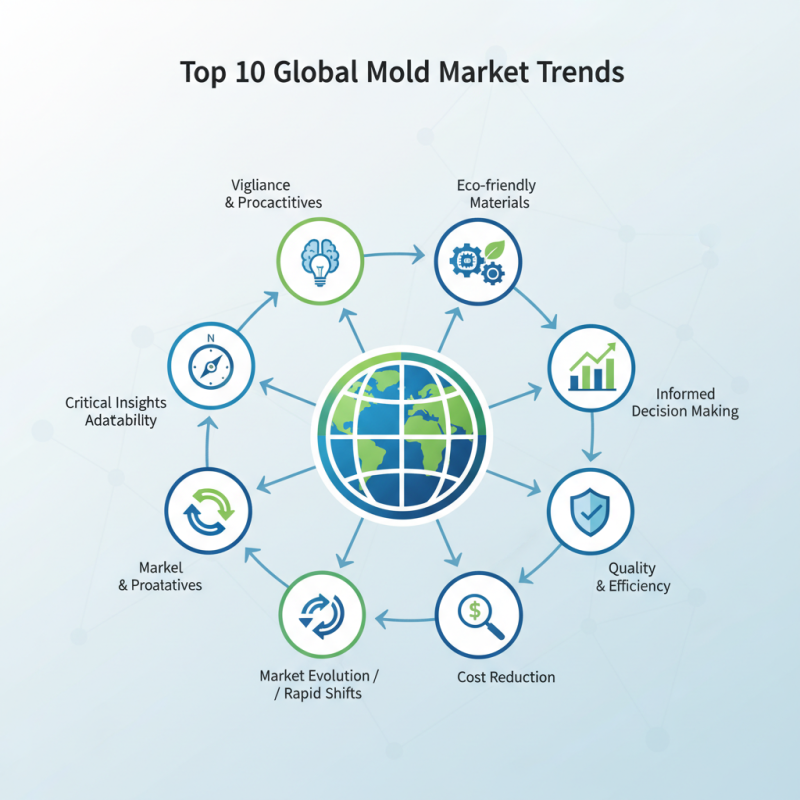
The global mold market is evolving rapidly. Buyers must stay informed about current trends. This is essential for making effective purchasing decisions.
In this in-depth analysis of mold market trends, we explore ten significant factors shaping the industry. Recent data reveals an increase in demand for eco-friendly materials. This trend reflects growing consumer awareness about sustainability. Additionally, advancements in technology have led to innovative molding processes. These developments improve efficiency and reduce costs for manufacturers.
Understanding these trends equips global buyers with critical insights. It allows them to adapt their strategies accordingly. However, navigating these changes may not always be straightforward. Some buyers might struggle to keep pace with rapid shifts. The complexities of the global market can pose challenges. Buyers should remain vigilant and proactive in their approach.
Impact of COVID-19 on Mold Market Demand and Supply Dynamics
The COVID-19 pandemic significantly impacted the mold market. Demand fluctuated as industries shut down and supply chains disrupted. Manufacturers faced challenges sourcing raw materials and maintaining production. Many factories operated at reduced capacity, which led to delays.
Innovation and adaptability became crucial during this time. Companies focused on developing new mold designs and materials to meet changing market needs. The shift to remote work also pushed for more efficient production methods. Manufacturers began using digital tools for design and communication to overcome logistical hurdles.
Market dynamics are now more complex. Buyers must pay attention to changing regulations and sustainability trends. With the rise of e-commerce, the demand for custom molds has increased. However, the ongoing uncertainties may require ongoing adjustments in sourcing strategies. The mold industry must embrace flexibility to navigate this evolving landscape.
Top 10 Mold Market Trends Every Global Buyer Should Know
This chart illustrates the key trends affecting the mold market. It highlights the shifts in demand and supply dynamics as influenced by the COVID-19 pandemic, showcasing the varying focus on different applications within the industry.
Emerging Technologies Revolutionizing Mold Manufacturing Processes
Emerging technologies are critically changing mold manufacturing. Automation, for example, enhances precision and reduces labor costs. According to a recent report by MarketsandMarkets, the global mold market is expected to reach $22.2 billion by 2025, driven by advancements in these technologies.
3D printing has revolutionized mold creation. It allows for rapid prototyping and reduces waste, making it appealing for buyers focused on sustainability. A study indicates that 3D printing can cut lead times by 50%. While the technology shows promise, challenges in material compatibility still exist.
Tips: Invest in training for staff. Skills in new technologies are essential. Embrace changes incrementally. Assess the impact before fully committing.
Smart manufacturing and IoT offer real-time data analysis, leading to better decision-making. Reports show that 70% of manufacturers use IoT solutions to enhance efficiency. However, security concerns around data remain a hurdle. As buyers explore these trends, understanding their implications is vital.
Tips: Stay informed on security protocols. Collaborate with tech providers for better insights. Regularly review equipment to keep up with industry standards.
Sustainability Trends: Biodegradable Materials in the Mold Industry
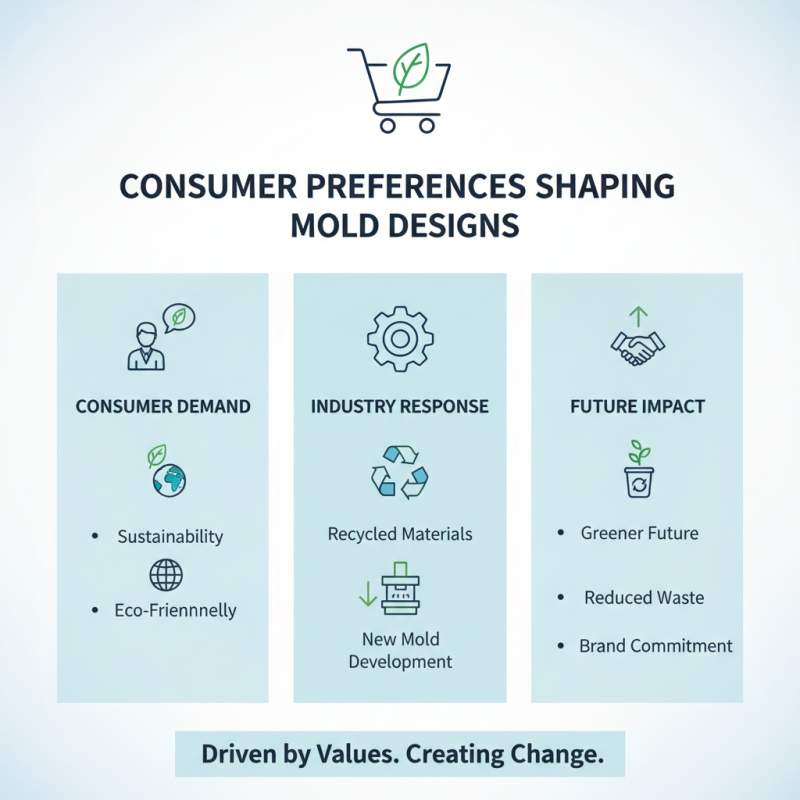
The mold industry is witnessing a significant shift toward sustainability. As environmental concerns rise, biodegradable materials are becoming essential. A recent report from the Global Bioplastics Association notes that the market for biodegradable plastics is expected to grow by over 20% annually through 2027. This trend is reshaping how molds are produced and utilized.
Many companies are exploring alternatives to traditional plastics. Starch-based and polylactic acid (PLA) materials are gaining traction. Not only do these materials reduce waste, but they also lower carbon footprints significantly. For instance, using PLA can cut greenhouse gas emissions by 30% compared to petroleum-based plastics. Yet, challenges remain. The production of biodegradable materials can still be resource-intensive.
Collaboration within the industry is crucial. Stakeholders must work together to refine biodegradable options and improve their scalability. Experts point out that consumer awareness of sustainability is uneven across regions. This gap may slow the adoption of biodegradable materials in some markets. Ongoing education is needed to foster a deeper understanding of the benefits and potential of eco-friendly materials in the mold industry.
Regional Market Analysis: Growth Opportunities in Asia-Pacific vs. North America
The Asia-Pacific mold market is experiencing rapid growth. Factors such as industrialization and rising manufacturing activities drive this trend. Countries like China and India are leading in mold production. These nations invest heavily in technology and skilled labor. This leads to higher quality molds and increased efficiency. The growing demand for consumer electronics further fuels this expansion.
In contrast, North America's mold market presents a more mature landscape. The focus is on innovation and sustainability. Companies are adapting to changing consumer preferences. They emphasize eco-friendly practices in mold production. However, challenges such as higher labor costs persist. The region faces stiff competition from Asia-Pacific. This has forced North American manufacturers to rethink strategies. Some are investing in automation to maintain competitiveness.
Understanding regional differences is crucial for buyers. Each market has unique opportunities and challenges. Buyers should recognize these dynamics when making decisions. The potential for growth in Asia-Pacific is significant. Yet, North America offers advanced technologies and practices. Balancing these factors can lead to informed purchasing strategies.