Leave Your Message

What Are the Top Types of Car Mounted Molds?

Car Mounted Molds help produce the shaped components found throughout modern vehicles, from interior trim to housings and structural parts. The term is not always used consistently. It may refer to molds for automotive components rather than equipment physically installed in a car. That distinction matters when comparing products or requesting a quote.

Common categories include plastic injection molds, compression molds, blow molds, die-casting molds, and stamping dies. Each suits different materials, shapes, and production needs. Injection molds can form detailed plastic parts, such as dashboard panels and clips. Blow molds create hollow components, while compression molds shape selected plastics and composites under heat and pressure. Die-casting molds form metal parts, and stamping dies cut or shape sheet metal. No single type is best for every application.

The right choice depends on the part’s design, material, expected production volume, and required finish. Small details matter. Wall thickness, cooling channels, draft angles, and mold maintenance can affect consistency and cycle time. A useful comparison should also consider tooling cost, expected service life, and how easily repairs can be made. These factors are easy to overlook.

This guide introduces the main types of Car Mounted Molds and explains where each is commonly used. It also highlights practical selection points for manufacturers and buyers. Specifications vary by component and supplier, so final decisions should be checked against engineering drawings and production requirements. Even a familiar part can need a less obvious mold design.
What Are the Top Types of Car Mounted Molds?

What Are Car-Mounted Molds and How Are They Classified?

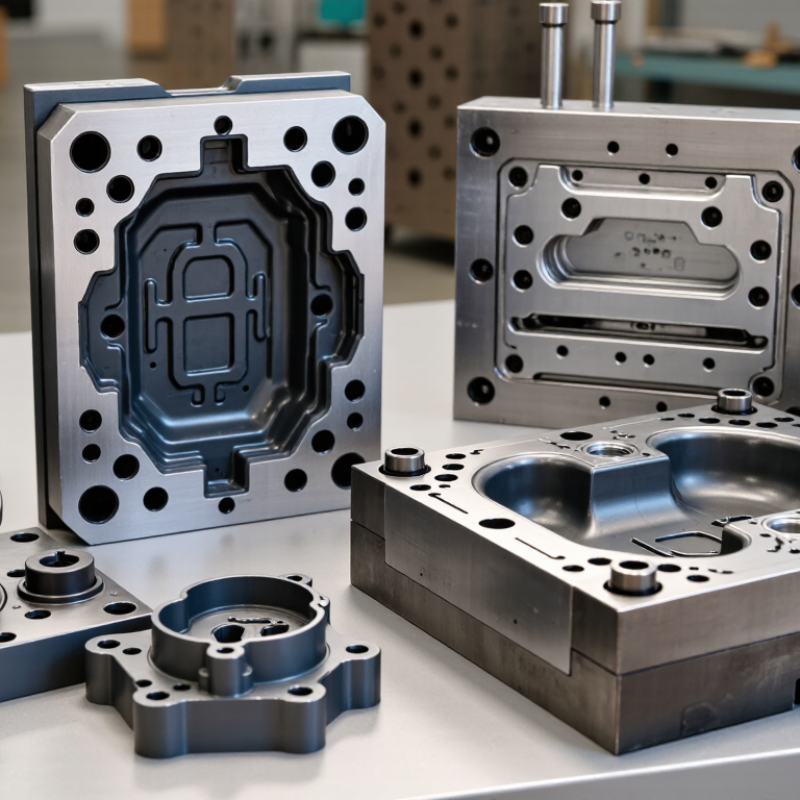
Car-mounted molds are precision tools used to shape components for vehicles. The name can be misleading. These molds are usually installed in production equipment, not mounted on a finished car. They form items such as dashboard panels, lamp housings, bumpers, and interior trim. A technician may identify a mold by its part, process, or construction.

The process offers one practical classification. Injection molds shape plastic parts, often leaving visible gate marks or fine surface textures. Compression molds press material into a heated cavity, while die-casting molds form metal components under pressure. Each method suits different materials and part requirements. A glossy cabin panel needs different surface control from a rugged under-hood component.

Molds can also be classified by structure. Two-plate and three-plate designs differ in how they separate and release the formed part. Hot-runner and cold-runner systems manage how molten material reaches the cavity. These categories sometimes overlap, so a single mold may fit several descriptions. That can be confusing. In practice, engineers also check cavity count, cooling channels, draft angles, and ejection marks. A small mismatch in these details can cause warping or slow production. Classification helps, but it does not replace inspection.
How Injection Molds Create Plastic Automotive Components

What Are the Top Types of Car Mounted Molds?
How Injection Molds Create Plastic Automotive Components

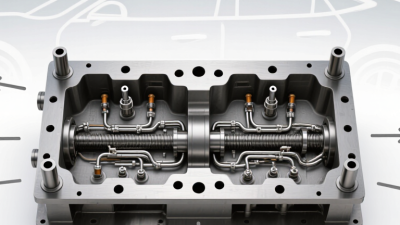
Injection molding starts with a carefully machined mold, usually built from hardened steel or aluminum. Molten plastic enters through a sprue and runners, then fills the cavity shaped like the final component. Cooling channels carry heat away. Ejector pins release the part after it solidifies. Small details matter.

For a dashboard vent, the mold must form narrow fins without leaving weak, uneven walls. Designers adjust gate positions, material flow, and cooling to limit sink marks and warping. A small gate scar may remain. It is not magic; even a well-designed tool needs testing, and early parts can reveal flaws that computer models miss.

The scale is substantial: OICA reported 93.5 million motor vehicles produced worldwide in 2023, increasing pressure for repeatable, high-volume component manufacturing. Injection molding supports parts such as trim panels, clips, housings, and air ducts. The U.S. Department of Energy’s Vehicle Technologies Office reports that reducing vehicle weight by 10% can improve fuel economy by about 6–8%. Lightweight molded plastics can contribute, though the result depends on part design, material, and what the component replaces. A lighter part alone does not guarantee a more efficient vehicle.

Common Injection-Molded Plastics in Automotive Components

Typical density of selected unfilled automotive thermoplastics

Polypropylene (PP) is commonly used for interior trim and bumper components; ABS for interior trim; polyamide 6 (PA6) for under-the-hood parts; polyoxymethylene (POM) for gears and fasteners; and polycarbonate (PC) for lighting lenses. Values are typical resin densities in g/cm³; exact density varies by grade, additives, and reinforcement.

How Stamping Dies Shape Metal Car Parts

How Stamping Dies Shape Metal Car Parts

Stamping dies turn flat metal blanks into body panels, brackets, and structural parts through controlled pressing. A draw die pulls sheet metal into a shaped cavity; trimming and piercing dies then cut edges and openings. In a press shop, the sequence can leave a door panel with a sharp window frame, folded flange, and mounting holes. Small errors matter. A slight shift can affect how panels meet during assembly.

The material makes die design demanding. The World Steel Association estimates that a typical car contains roughly 900 kilograms of steel, much of it formed into components that must balance strength and weight. The U.S. Environmental Protection Agency’s 2023 Automotive Trends Report puts average new-vehicle weight at about 4,303 pounds for model year 2022. That scale helps explain why manufacturers rely on carefully engineered dies and repeatable press settings. High-strength steel can spring back after forming, so engineers may adjust die geometry or pressure to compensate. In practice, the first setting is rarely the final one. Tool wear, lubrication, and sheet thickness can all change the result, and that variability deserves more attention than a clean drawing suggests.

How Compression and Blow Molds Produce Specialized Components

Compression molds shape materials under heat and pressure, making them useful for durable automotive components. A measured charge is placed in a heated cavity, then compressed until it fills the mold. The process can produce rubber seals, gaskets, vibration isolators, and selected composite panels. These parts need consistent dimensions and reliable performance under repeated heat and movement.

Small details matter. Uneven material flow can leave weak areas or excess flash along the edge. Mold temperature, pressure, and curing time must match the material and part geometry. Operators also inspect finished pieces for voids, surface defects, and dimensional variation. A good-looking part is not always a dependable one.

Blow molds create hollow thermoplastic parts by expanding heated plastic against a mold wall. In vehicles, this method can form air ducts, fluid reservoirs, and other lightweight containers. Wall thickness deserves close attention, especially around corners and narrow sections. Poor distribution may reduce strength or create uneven cooling. The process is efficient for suitable shapes, but it is not a universal fix. Tool design and material choice still require careful trials, and early samples may reveal assumptions that need revisiting.

What Are the Top Types of Car Mounted Molds? - How Compression and Blow Molds Produce Specialized Components
Mold Type How the Process Works Common Automotive Components Typical Materials Key Advantages Important Design Considerations
Compression mold A measured charge of molding material is placed in a heated mold. The mold closes and applies pressure, shaping and curing the material in the cavity. Composite body panels, interior trim substrates, battery covers, electrical housings, and underbody panels. Often sheet molding compound (SMC), bulk molding compound (BMC), or other thermosetting compounds; some processes use thermoplastic materials. Suitable for relatively large or robust parts; can form complex shapes and incorporate reinforcing fibers; thermoset parts can provide useful heat and chemical resistance. Charge placement, material flow, venting, cure time, shrinkage, and fiber orientation affect fill, surface quality, and dimensional consistency.
Extrusion blow mold A softened plastic tube, called a parison, is enclosed in a mold. Air inflates it against the cavity walls, and the plastic cools into a hollow part. Air ducts, washer-fluid reservoirs, coolant tanks, and certain fuel tanks, depending on the vehicle design and applicable requirements. Commonly polyethylene or polypropylene grades; fuel-system parts may use specialized multilayer structures and materials selected for fuel compatibility. Efficiently produces hollow, often lightweight parts; can form integrated shapes that would otherwise require multiple components. Parison thickness distribution, pinch-off areas, cooling, parting-line placement, and leak or pressure requirements must be controlled.
Injection blow mold A preform is injection molded around a core pin, transferred to a blow mold, and inflated to form a hollow component. Selected small, hollow components such as fluid containers or ducts, where the required geometry and production volume suit the process. Typically thermoplastics such as polyethylene or polypropylene, chosen according to the part's operating environment. The preform can support controlled neck geometry and consistent features; the process can produce hollow parts with a finished opening. The preform, transfer method, wall thickness, and mold cooling need to match the component's shape and dimensional requirements.
Process selection Compression molding is generally considered for solid or reinforced components, while blow molding is used for hollow plastic parts. The appropriate process depends on part geometry, material, production volume, performance requirements, and applicable safety and regulatory standards.

How to Choose the Right Mold for an Automotive Application

Choosing the right mold starts with the part’s job, material, and expected production volume. Injection molds suit detailed thermoplastic clips, trim pieces, and housings. Compression molds can work well for selected rubber or composite components, while blow molds form hollow ducts and reservoirs. The process matters. A complex shape may need slides or lifters, adding cost and maintenance needs. Fit matters most.

Check tolerances, wall thickness, surface finish, and likely shrinkage before approving tooling. Ask how the mold will fit the available press, and whether cooling channels can manage the part’s heat evenly. For modest volumes, a simpler, lower-cavity tool may be more practical than a high-output design. Request trial parts and inspect them under realistic conditions, including temperature changes if relevant. Small details bite. A gate mark hidden beneath a panel may be acceptable; the same mark on a visible trim surface may not. It is easy to focus on the initial tool price, but access for cleaning and repair can matter more over time. Revisit assumptions with the mold maker before finalizing the design.