What is Automotive Turn Signal Mold and How to Source it?
Automotive turn signal molds are essential in the automotive industry, aiding in the production of reliable turn signal lights. According to a report by Allied Market Research, the global automotive lighting market is expected to reach $38.9 billion by 2026. This growth underscores the need for high-quality automotive turn signal molds, which ensure durability and performance in modern vehicles.
Sourcing a suitable automotive turn signal mold can be challenging. Manufacturers must consider factors like material quality, precision, and production volume. The importance of selecting molds that meet stringent industry standards cannot be overstated. Companies often rely on expert reviews and supplier ratings to identify the best options. However, not all suppliers offer the same level of reliability. It's vital to conduct thorough evaluations to avoid costly mistakes.
Collaboration with experienced mold makers can lead to improved outcomes. Organizations that invest in innovative techniques and technologies often report better mold quality. Moreover, staying updated with market trends can provide insights into sourcing strategies. As the automotive sector evolves, the demand for efficient and effective mold solutions, particularly for automotive turn signals, will continue to rise.
What is Automotive Turn Signal Mold and Its Importance in Vehicle Production?
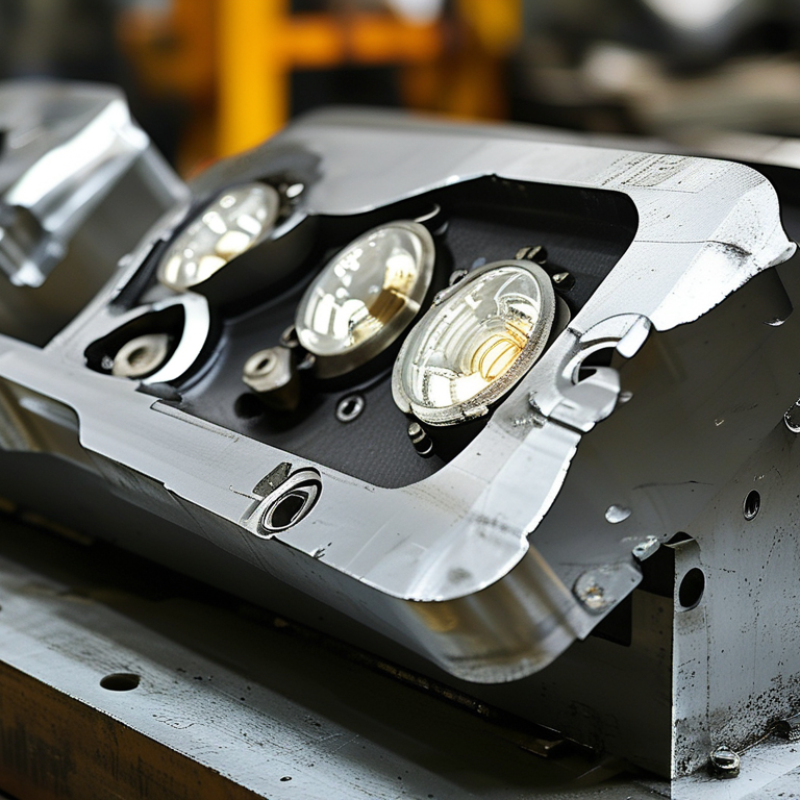
Automotive turn signal molds play a critical role in vehicle production. They are essential for creating the precise plastic components used in turn signal lights. The molds ensure that these parts fit perfectly within the vehicle's design. A well-manufactured mold can enhance the overall quality of the turn signal, leading to improved reliability and safety.
Designing an automotive turn signal mold requires a deep understanding of both design and material properties. The manufacturing process itself can be quite complex. It often involves computer-aided design and extensive testing to ensure durability. A small error in the mold can result in defective components that may need redesign or scrap, leading to increased costs and delays in production.
Sourcing high-quality molds is paramount. A reliable supplier will typically have a track record of successful projects. They will also offer advanced technology and materials to ensure longevity. However, there can be pitfalls, such as underestimating the time required for development. Careful planning and communication with suppliers can mitigate these risks and lead to better outcomes for automakers.
Automotive Turn Signal Mold Production Volume
This bar chart illustrates the production volume of automotive turn signal molds over four quarters. The increasing trend highlights the growing demand for these essential components in vehicle production.
Key Materials Used in Manufacturing Automotive Turn Signal Molds
Automotive turn signal molds play a crucial role in vehicle safety and functionality. These molds are primarily produced using high-quality plastic resins and materials that ensure clarity and durability. Polycarbonate and acrylic are popular choices due to their strength. Data indicates that approximately 60% of automotive parts utilize some form of polycarbonate, underlining its importance in mold manufacturing.
The production of turn signal molds requires careful selection of materials. For instance, high-temperature resistant materials are essential for molds exposed to varying conditions. This is particularly pertinent as studies show that temperature fluctuations can cause material degradation, affecting performance. It’s worth noting that quality control during production can sometimes falter, leading to inconsistencies in mold strength.
Additionally, filler materials such as glass fibers may be added to improve rigidity. However, excess filler can compromise transparency, which is vital for turn signals. Balancing these factors is essential. Suppliers must ensure they meet stringent industry standards for safety. Regular audits and material testing are necessary practices, yet challenges remain. The industry's reliance on advanced data analytics for sourcing decisions is a growing trend, yet not all manufacturers fully embrace this change.
Processes Involved in Producing Automotive Turn Signal Molds
Producing automotive turn signal molds involves several detailed processes, starting with design and prototyping. The design phase requires precision and creativity. Engineers use CAD software to create intricate patterns that match the specific requirements of the vehicle maker. Prototyping follows, often utilizing 3D printing to create practical models for testing.
Next, material selection is crucial. Mold makers typically choose durable materials that can withstand high temperatures and pressure. Commonly used materials include steel and aluminum, which offer longevity and resistance to wear. The production of the molds includes machining, which shapes the raw materials into the desired form. This step demands a high level of skill and control to achieve the necessary specifications.
After the molds are created, they undergo quality assurance testing. This stage often reveals imperfections that need addressing. Each mold must pass rigorous checks to ensure it meets safety and performance standards. However, the process is not always perfect. Errors can occur, which may lead to production delays or increased costs. Continuous improvement is essential to refine the manufacturing process for better results.
Evaluating Manufacturers: Criteria for Sourcing Turn Signal Molds Effectively
When sourcing automotive turn signal molds, evaluating manufacturers is key. The right criteria can significantly impact your project’s success. Focus on experience and track record. Review a manufacturer’s history in producing molds tailored for the automotive industry. Longstanding expertise often correlates with higher quality and reliability.
Quality control should be a priority. Look for ISO certifications or similar quality assurance measures. This ensures that the molds produced meet industry standards. Check for their capability in precision manufacturing. Such practices can prevent issues during production and improve end product integrity.
Tips: Always request samples before making large orders. Test for durability and performance. If possible, visit the facility. Seeing their operations helps you assess their capabilities firsthand. Transparency in communication is crucial. Manufacturers should provide clear timelines and pricing. Any hesitations in this area might necessitate deeper reflection on their reliability.
What is Automotive Turn Signal Mold and How to Source it? - Evaluating Manufacturers: Criteria for Sourcing Turn Signal Molds Effectively
| Criteria |
Importance Level |
Evaluation Method |
| Material Quality |
High |
Supplier Certification & Testing |
| Production Capacity |
Medium |
Factory Assessment |
| Lead Time |
High |
Project Management Review |
| Cost Efficiency |
High |
Price Comparison |
| Design Flexibility |
Medium |
Sample Assessment |
| After-Sales Support |
Medium |
Client Feedback Review |
Market Trends and Future Innovations in Turn Signal Mold Technology
The automotive industry is witnessing transformative changes in turn signal mold technology. A report from Smithers Pira forecasts a 4.5% annual growth rate in the automotive lighting market, driven by innovations in mold design and materials. Enhanced LED technology plays a pivotal role, providing better visibility and longevity compared to traditional solutions. The demand for energy-efficient components is accelerating the development of new mold processes that accommodate these advancements.
Sourcing high-quality turn signal molds has become essential. Manufacturers are focusing on precision engineering to ensure optimal light dispersion and durability. With the rise of electric vehicles, there’s a growing need for lightweight materials. Research indicates that over 60% of automotive designers prioritize advanced polymers that can withstand extreme conditions. Innovative designs are also emerging to improve aerodynamics and reduce manufacturing costs. However, the industry faces challenges, such as adapting to evolving regulations and ensuring uniform quality across production runs.
Long-term trends suggest a shift towards customizable molds that cater to diverse vehicle designs. As industry standards evolve, companies must invest in research and development to stay competitive. The shift towards smart vehicles means integrating sensors into turn signal molds. However, there is still uncertainty about how these innovations will impact traditional molding techniques. Engaging with expert manufacturers is vital for navigating these challenges and seizing new opportunities in this rapidly changing landscape.