Leave Your Message
The global shift toward smarter electricity networks is increasing demand for accurate, durable metering equipment. The International Energy Agency’s Electricity 2024 report forecasts global electricity demand growth of about 3.4% annually through 2026. Each new meter requires a stable housing, precise terminals, and reliable insulation. These parts depend heavily on Electric Meter Mold quality.
The mold is the hidden foundation.
A poorly designed mold can create flash, uneven wall thickness, air marks, or weak snap-fit points. Those defects may appear small on a factory floor. They can become serious during thousands of installation cycles. Professional manufacturers therefore combine mold-flow analysis, hardened steel selection, automated machining, and controlled trial production. IEC 62052 and IEC 62053 also provide important references for electricity-meter performance and safety requirements. Compliance does not begin with the final meter. It begins with repeatable tooling.
Industry research from MarketsandMarkets and Grand View Research shows continued investment in smart-meter infrastructure, although market forecasts differ by scope and region. That difference deserves attention. No ranking is perfect. A supplier strong in high-volume polypropylene housings may not suit a compact three-phase meter or a flame-retardant enclosure. This guide examines leading Electric Meter Mold manufacturers worldwide through practical criteria, including engineering capability, cavity balance, cooling efficiency, quality systems, delivery experience, and after-sales support. It also considers factory evidence, such as sample inspection records, mold maintenance plans, and measured cycle results. Buyers should verify every claim independently. A polished website is not proof. Reliable tooling leaves measurable evidence.
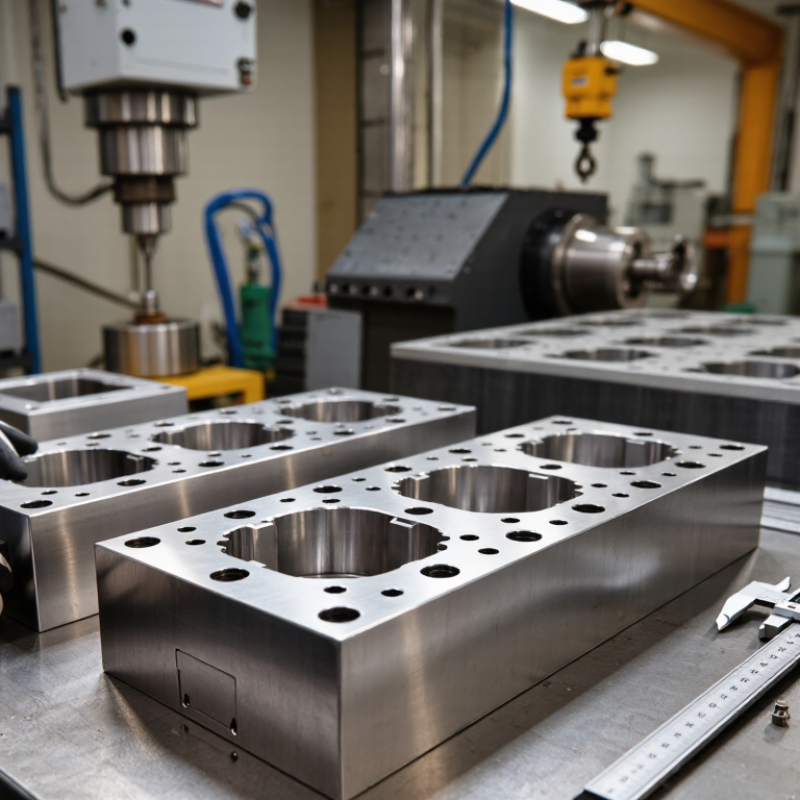
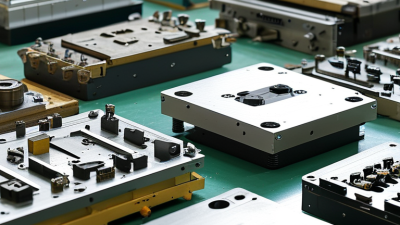
Electric meter molds are precision tools used to form housings, covers, terminal blocks, and internal supports. They shape heated plastic inside a controlled cavity. After cooling, the molded part must protect electrical components and maintain accurate dimensions. In practice, a mold is more than a metal block. It is a repeatable production system.
Its role directly affects meter safety, assembly speed, and service life. Properly designed cavities create smooth surfaces around displays, seals, and screw points. Cooling channels reduce warping near thin walls and corners. Ejector pins must release parts without leaving damaging marks. Experienced mold engineers also review shrinkage, material flow, and repeated production cycles. Small errors can cause loose covers or poor sealing. A design can look correct on a screen, yet fail during testing. That possibility deserves honest attention.
Tips: Specify the plastic grade, wall thickness, and expected production volume early. Request mold-flow analysis and dimensional inspection records. Check sample parts at room temperature and after heat exposure. Keep maintenance logs for polishing, lubrication, and vent cleaning. Do not judge quality by surface shine alone. Function matters more. Manufacturers with documented processes, skilled technicians, and traceable inspections offer stronger reliability for electric meter mold projects.
| Manufacturing Region | Typical Production Profile | Common Mold Types | Typical Mold Materials | Electric Meter Parts Commonly Molded | Indicative Mold Features | Key Quality-Control Requirements | Relevant Standards and References |
|---|---|---|---|---|---|---|---|
| East Asia | High-volume tooling for residential, commercial, and smart electricity-meter housings; often optimized for automated injection-molding lines. | Multi-cavity injection molds, insert molds, two-shot molds, and molds with interchangeable inserts. | Pre-hardened mold steel for general production; hardened tool steel for high-wear areas; corrosion-resistant steel for demanding applications. | Front covers, rear cases, terminal covers, display windows, buttons, seals, and mounting components. | Typical use of hot runners, balanced filling layouts, replaceable core inserts, and automated demolding. Cavity counts are selected according to annual volume and part size. | Dimensional inspection, flash inspection, cavity-to-cavity consistency, gate vestige control, fit testing, and verification of transparent-part clarity. | IEC 62052-11, IEC 62053 series, ISO 9001 quality-management principles, and applicable national electrical-safety requirements. |
| South Asia | Cost-efficient tooling for utility-meter programs, local assembly, replacement parts, and medium-to-high volume production. | Two-plate and three-plate injection molds, family molds for compatible components, and insert-based molds. | Tool steel selected according to expected shot count, resin abrasiveness, dimensional accuracy, and maintenance requirements. | Meter bases, terminal blocks, protective covers, internal supports, cable-management parts, and enclosure components. | Designs commonly emphasize serviceability, robust ejection, simple maintenance, and compatibility with locally available molding machines. | Incoming steel verification, first-article inspection, short-shot testing, dimensional checks, assembly trials, and insulation-clearance verification on the molded assembly. | IEC 62052-11, IEC 62053 series, IEC 60695-related fire-testing considerations where applicable, and local utility specifications. |
| Europe | Engineering-focused tooling for precision housings, advanced smart meters, low-volume product variants, and regulated utility applications. | Precision injection molds, insert molds, overmolding tools, gas-assist-capable designs, and molds for transparent optical components. | High-grade hardened steels, stainless tooling materials for corrosion-sensitive applications, and wear-resistant inserts. | High-precision covers, display bezels, optical windows, terminal shields, communication-module housings, and tamper-evident parts. | Strong focus on tight tolerances, controlled parting lines, optical surface quality, low warpage, traceable tool documentation, and long service life. | Coordinate-measuring-machine inspection, mold-flow analysis, process-capability studies, surface-finish measurement, and documented preventive maintenance. | IEC 62052-11, IEC 62053 series, IEC 60529 ingress-protection classifications where relevant, and RoHS-related material requirements. |
| North America | Tooling for utility-grade meters, distributed-energy monitoring equipment, industrial metering, and replacement-component programs. | Hot-runner molds, interchangeable-insert molds, overmolding tools, and robust single- or multi-cavity production molds. | Pre-hardened and hardened tool steels selected for production volume, resin type, wear resistance, and repairability. | Outdoor meter enclosures, socket interfaces, terminal covers, protective shields, brackets, and electronic-module housings. | Emphasis on repeatable maintenance, spare-insert availability, mold-life documentation, and compatibility with established injection-molding cells. | First-article approval, dimensional reports, functional assembly testing, environmental exposure checks, and verification of material traceability. | IEC 62052-11 and IEC 62053 series for international applications; regional utility, electrical-code, and enclosure requirements may also apply. |
| Southeast Asia | Growing production base for smart-meter housings, subassemblies, export tooling, and electronics-related plastic components. | High-cavitation molds, insert molds, two-shot molds, and molds designed for automated pick-and-place production. | Hardened steel for wear zones, polished steel for optical surfaces, and corrosion-resistant materials for humid manufacturing environments. | Smart-meter covers, communication-module cases, display lenses, buttons, terminal guards, and internal plastic supports. | Design priorities include efficient cooling, short cycle times, stable warpage control, and compatibility with engineering plastics and flame-retardant resins. | Resin-drying control, dimensional sampling, weld-line inspection, appearance inspection, assembly validation, and cycle-time monitoring. | IEC 62052-11, IEC 62053 series, IEC 60068 environmental-test methods where specified, and customer-specific utility standards. |
| Latin America | Tooling for regional meter assembly, utility replacement programs, residential electricity meters, and localized enclosure designs. | General-purpose injection molds, modular insert molds, single-cavity development tools, and medium-volume multi-cavity molds. | Pre-hardened steel for standard production and hardened inserts for high-wear gates, slides, cores, and shut-off areas. | Meter bases, covers, terminal protectors, mounting brackets, cable guides, and tamper-resistant housing parts. | Tooling commonly balances manufacturing cost, local maintenance capability, resin availability, and the need for replacement inserts. | Fit and function checks, visual inspection, dimensional control of mounting points, sealing-surface inspection, and production trial approval. | IEC 62052-11, IEC 62053 series, local utility specifications, and applicable enclosure and electrical-installation regulations. |
| Middle East and Africa | Tooling for hot-climate, outdoor, utility-scale, and infrastructure projects where enclosure durability is important. | Heavy-duty injection molds, insert molds, molds for UV-stabilized materials, and tools for gasketed or sealed enclosure parts. | Corrosion-resistant or suitably protected tool steels; wear-resistant inserts for glass-filled and mineral-filled resins. | Outdoor meter boxes, protective covers, terminal compartments, mounting plates, cable-entry components, and sealing interfaces. | Design attention is often given to UV-resistant resins, heat exposure, dust protection, robust ribs, sealing surfaces, and dimensional stability. | Heat-aging considerations, enclosure-fit checks, sealing-surface inspection, warpage measurement, material verification, and visual-defect control. | IEC 62052-11, IEC 62053 series, IEC 60529 ingress-protection classifications where required, and project-specific climatic requirements. |
| Global Mold-Engineering Specialists | Independent tooling specialists that serve multiple regions through design engineering, sampling, repair, validation, and production support. | Prototype molds, bridge tools, production molds, family molds, overmolding tools, and modular molds with replaceable components. | Material grade is matched to resin abrasiveness, expected production volume, surface-finish requirements, corrosion exposure, and repair strategy. | Complete meter enclosures, transparent covers, terminal assemblies, display components, seals, clips, and electronic-module housings. | The mold’s primary role is to reproduce geometry consistently while controlling shrinkage, warpage, flash, surface finish, assembly fit, and cycle time. | Design-for-manufacturing review, mold-flow simulation, first-shot sampling, capability analysis, measurement-system checks, and documented maintenance planning. | IEC 62052-11, IEC 62053 series, ISO 9001 quality-management practices, and the end product’s applicable safety, EMC, and environmental requirements. |
| All Manufacturing Regions | Electric meter molds are production tools rather than finished electrical products. Their performance directly affects enclosure accuracy, sealing, safety clearances, appearance, assembly speed, and long-term reliability. | The appropriate mold construction depends on meter design, plastic resin, annual quantity, number of variants, required surface finish, machine capability, and expected tool life. | Common engineering plastics include polycarbonate, ABS, PC/ABS, polyamide, PBT, and flame-retardant grades, subject to the product design and applicable safety requirements. | Molded parts may provide electrical insulation, environmental protection, tamper resistance, mechanical support, user access, and protection for displays or communication interfaces. | A well-designed mold supports stable filling, efficient cooling, reliable ejection, controlled shrinkage, minimal flash, repeatable dimensions, and economical maintenance. | Validation should cover appearance, dimensions, assembly, material behavior, mechanical strength, environmental conditions, and the finished meter’s applicable electrical tests. | Standards must be confirmed against the target market, meter class, utility specification, enclosure requirement, and final product certification plan. |