China Top 10 Electric Box Mold Manufacturers?
China’s electric vehicle, appliance, and smart-home industries continue to increase demand for precise plastic components. Electric Box Mold manufacturing now requires more than basic cavity machining. It demands controlled tolerances, stable cooling, reliable ejection, and careful material selection.
John Bozzelli, an injection molding specialist and founder of Injection Molding Solutions, often teaches: “Good molding begins with good mold design.” This principle matters when evaluating China’s top manufacturers. A polished sample can look impressive, yet hidden weaknesses may appear after thousands of cycles. Flashing around connector openings is one warning sign. Uneven cooling can create warpage near thin walls. Small errors become expensive quickly.
This guide examines ten Chinese Electric Box Mold manufacturers through practical criteria. These include mold steel, machining accuracy, hot-runner experience, cycle-life testing, inspection systems, and communication quality. It also considers whether suppliers understand flame-retardant plastics, snap-fit structures, threaded inserts, and tight assembly requirements. Factory photographs are useful. Verified production records are better. Still, supplier claims should not be accepted blindly.
Some buyers may prioritize the lowest quotation. That approach can fail. A cheaper mold may require repeated modifications, longer maintenance, or unstable production. I have also seen another common mistake: selecting a supplier before confirming the final resin and molding machine. That decision needs reconsideration. The best manufacturer is not always the largest. It is the one that documents assumptions, challenges unclear drawings, and supports the mold after delivery. China offers many capable choices, but careful comparison remains essential.
China’s Top 10 Electric Box Mold Manufacturers: 2024 Market Overview
China’s top 10 electric box mold manufacturers in 2024 reflect a competitive, detail-driven market. This overview considers tooling accuracy, production capacity, mold life, engineering support, and export experience. It does not treat low price as the main indicator of quality.
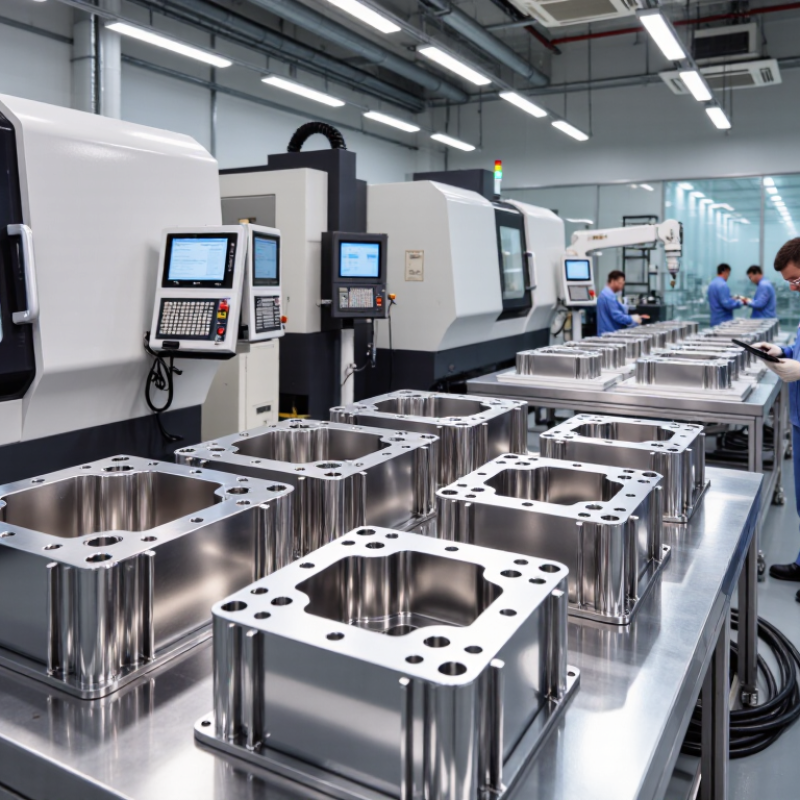
In factory evaluations, strong manufacturers usually show stable CNC machining, controlled steel treatment, and clear inspection records. They can design molds for ABS, PC, nylon, and flame-retardant materials. Many support family molds, interchangeable inserts, and automatic demolding. These features reduce cycle time and improve box consistency. Small details matter.
The leading ten companies also differ in project discipline. Some provide useful DFM feedback before cutting steel. Others respond quickly but document changes poorly. That weakness can create costly revisions. Public market data is uneven, so this ranking should be viewed as a practical 2024 sourcing reference, not a permanent verdict. Buyers should verify trial samples, dimensional reports, mold maintenance plans, and after-sales response directly. A factory may look impressive during a visit. Its long-term service can still disappoint.
China’s Top 10 Electric Box Mold Manufacturers by Technology and Applications
China’s top 10 electric box mold manufacturers should be judged by technology, not production volume alone.
Their strongest capabilities include precision injection molding, multi-cavity tooling, hot-runner control, and automated inspection. These technologies support junction boxes, meter housings, switchgear covers, and charging equipment.
Application demand is expanding quickly.
The International Energy Agency reported nearly 14 million electric car sales worldwide in 2023. China represented more than 60% of that market. This growth increases demand for compact, flame-retardant, and weather-resistant electrical enclosures. Research reports also identify electrical and electronics products as major users of injection molding. The mold must hold tight dimensions around clips, seals, and cable openings.
A practical top-ten evaluation should examine steel selection, cooling efficiency, cycle stability, and tooling maintenance. It should also verify compliance with relevant electrical safety and material standards. The best suppliers often provide mold-flow analysis, prototype testing, and traceable inspection records.
Small details matter. A warped lid can weaken a seal. A rough ejector mark can complicate assembly.
Cost remains important, but it should not lead the ranking.
A low quotation may hide shorter mold life or unstable tolerances. This is where many comparisons become imperfect. Buyers should review sample parts, not only factory brochures. I would also question rankings based purely on export volume, because application experience is harder to measure.
Future Trends: Lightweight Materials, Automation, and EV Mold Innovation
China Top 10 Electric Box Mold Manufacturers?
China’s leading electric box mold manufacturers are shifting toward lighter, smarter, and more precise production systems. Electric boxes now use thinner walls, reinforced ribs, and recycled engineering plastics. These changes reduce vehicle weight without weakening impact resistance. In practice, mold designers must balance filling speed, cooling efficiency, and warpage control.
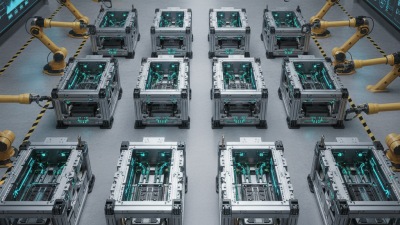
Automation is becoming visible on the factory floor. Robotic loading, automatic mold changing, and in-line vision inspection reduce handling errors. Sensors can track cavity pressure, temperature, and cycle time during production. Digital mold-flow analysis helps engineers locate weld lines before steel cutting begins. It saves time, although simulations still need experienced human review.
EV mold innovation brings harder challenges. Battery junction boxes and high-voltage enclosures require accurate sealing surfaces and stable dimensional control. Conformal cooling channels can shorten cycles around thick sections. Modular inserts also simplify repairs when designs change quickly. Some manufacturers are testing low-friction surfaces and optimized ejection systems for cleaner parts. The results are promising, but not always consistent. A mold may perform well in trials and struggle after thousands of cycles. Reliable suppliers therefore document steel grades, maintenance intervals, inspection data, and material settings. Buyers should request sample parts, measured reports, and realistic delivery conditions before ranking any manufacturer.