Leave Your Message

Top 10 Electric Vehicle Mold Suppliers for Buyers?

Choosing an Electric Vehicle Mold supplier involves more than comparing quotes. Molds shape parts that must fit tightly, perform consistently, and withstand repeated production cycles. These may include battery enclosures, interior components, charging-port parts, and connector housings. A small dimensional mismatch can cause assembly delays or costly rework. Details matter.

This guide introduces ten suppliers for buyers to assess, not as a universal ranking. The right fit depends on part complexity, production volume, materials, tooling location, and support needs. Look for clear evidence of relevant project experience, documented quality checks, and practical mold-trial procedures. Ask how suppliers manage revisions, maintenance, and production handoffs. Request examples of similar work where available, while respecting confidentiality. A polished brochure is not proof.

Compare capabilities carefully. Check whether the supplier can explain tolerances, cooling design, expected tool life, and inspection methods in terms your engineering team can verify. Ask for a realistic timeline that includes design review, sampling, and adjustments—not just mold fabrication. Communication counts. So does follow-through. Some suppliers may excel at complex tooling but be less suited to small orders or close collaboration across time zones. That trade-off is easy to overlook. Use the profiles below as a starting point, then confirm each supplier’s current capabilities directly before making a commitment.

Top 10 Electric Vehicle Mold Suppliers for Buyers?

EV Mold Demand: IEA Reports Nearly 14 Million EV Sales in 2023

The International Energy Agency reported nearly 14 million electric car sales worldwide in 2023, about one in every five cars sold. That scale matters to mold buyers. More vehicle programs need accurately formed interior panels, connector housings, and lightweight enclosures. A sales total is a blunt tool. It does not show where production happens or which parts are sourced locally.

For suppliers, rising demand can mean more requests for molds that hold tight dimensions across repeated production cycles. Battery-related components may also require careful material selection and predictable cooling during molding. Small defects can create costly delays, so buyers should review tooling trials, inspection records, and the supplier’s experience with similar part geometries.

Ask how changes to a design will affect the mold, too. This sounds basic, but it is often overlooked. The IEA figure signals a larger market, not guaranteed orders for every shop. Demand also varies by region and model, making capacity planning difficult. The number is impressive, yet it should guide questions rather than replace direct supplier checks.
EV Tooling Scope: Battery Cases, Connectors, and Lightweight Plastics

Top 10 Electric Vehicle Mold Suppliers for Buyers?

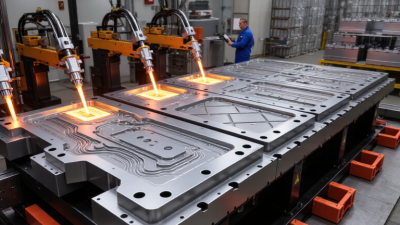
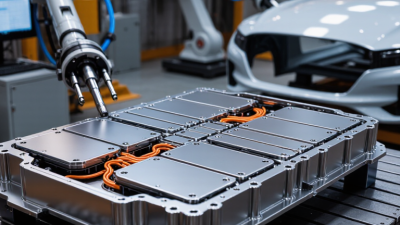
Choosing an EV mold supplier means checking more than machine size and quoted price. Battery cases need stable dimensions, strong sealing surfaces, and careful control of warpage. A small mismatch around a case flange can complicate assembly. Connector molds demand precise cavities, clean edges, and repeatable molding conditions. Lightweight plastic parts bring another challenge: thin sections can cool unevenly and distort. Ask suppliers how they inspect these details, not only whether they can make the part.

Tip: Share material, annual volume, and critical dimensions before requesting a quote. Ask for a tooling plan, sample-inspection method, and clear ownership of design changes. Small details matter.

Review mold-flow findings alongside sample parts, especially around ribs, clips, and connector openings. For battery enclosures, check how the tool supports consistent wall thickness and reliable joining surfaces. A capable supplier should explain likely risks in plain language and show how trials will address them. Do not assume a polished presentation proves production readiness; it does not. I would also leave room for design revisions, because early CAD models can miss real assembly constraints. Confirm maintenance access, expected tool life, and spare-component arrangements before approval. A low initial quote may exclude adjustments that become important after testing.

Top 10 Electric Vehicle Mold Suppliers for Buyers?

EV Tooling Scope: Battery Cases, Connectors, and Lightweight Plastics

Typical nominal material densities provide context for battery-case and connector tooling choices. Values vary by grade and reinforcement; this chart shows material properties, not supplier rankings or market shares.

Supplier Screening: ISO 20457, Tolerances, Tool Life, and Validation

Top 10 Electric Vehicle Mold Suppliers for Buyers?

Supplier screening should test evidence, not polished promises. The IEA’s Global EV Outlook 2024 reports nearly 14 million electric car sales in 2023, about 18% of global car sales. That growth raises the stakes for consistent molded housings, connectors, and interior parts. Ask suppliers to quote against ISO 20457:2018, which sets tolerances and acceptance conditions for plastic molded parts. It is a useful reference, not a guarantee that every feature will meet your assembly needs. Specify critical dimensions, measurement methods, resin, and operating conditions before comparing bids.

A capable supplier should explain how tool design, shrinkage, and process variation affect each tolerance. Request a dimensional report from production-intent tooling, not only a hand-finished sample. Discuss tool life in cycles and define what counts as wear, repair, and replacement. Then review validation records, including material traceability, capability data, and results from repeated molding runs. The IEA’s market figures show why capacity matters, but volume alone does not prove stable quality. A spreadsheet cannot show a short shot at the edge of a thin rib. Buyers can be too optimistic here.

Tips: Ask for a sample inspection plan and a written tool-maintenance schedule. Check who owns the measurement data. If a supplier cannot explain a tolerance in plain language, pause. That is not proof of failure, but it deserves a closer look.

Top 10 EV Mold Suppliers: Capabilities, Regions, and EV Programs

A useful top-ten EV mold supplier review should compare capabilities, regional coverage, and program experience—not just price. The IEA’s Global EV Outlook 2024 reports nearly 14 million electric car sales in 2023, about 18% of global car sales. That growth raises demand for tooling used in battery enclosures, motor housings, charging components, and interior parts. Look for proven injection or die-casting expertise, suitable press capacity, and documented mold-trial processes. Ask how suppliers control cooling, warpage, and dimensional variation. Small details matter.

Regional coverage affects shipping time, engineering support, and tool maintenance. Suppliers in Asia, Europe, and North America may serve different production networks, but location alone proves little. Check whether a team can support local sampling, spare inserts, and design changes during launch. Review its EV program record for comparable part size, material, and production volume. Request measurable evidence, such as trial reports and inspection data. A polished presentation is not enough. Still, supplier comparisons can miss real-world delays; even a strong tool may need refinement after first shots. Use the IEA’s market figures as demand context, not as proof that any supplier can meet a specific program’s needs.

Buyer Checklist: Audit Capacity, PPAP Readiness, Lead Time, and Total Cost

A low mold price is not proof of production capacity. Ask the supplier to show current machine schedules, available tool sizes, and maintenance records. Check whether CNC, EDM, and inspection equipment can handle your mold’s dimensions and tolerances. Walk the floor if possible. A busy shop may look capable, yet have no open slot for your project. Confirm which operations are subcontracted and how their quality is monitored.

PPAP readiness should be demonstrated with real documents, not promises. Request sample dimensional reports, material traceability records, a control plan, and evidence from trial runs. Agree on who owns each submission and when it will be complete. Then test the lead-time estimate against design approval, steel procurement, machining, sampling, and correction cycles. A single missed review can shift delivery by weeks. Compare total cost, including engineering changes, spare inserts, shipping, and maintenance—not just the initial quote. I have seen buyers overlook these items; the spreadsheet looked neat, but the final bill did not. Ask for assumptions in writing, and leave room for one more revision.