Leave Your Message

Who Is a Top Electric Meter Mold Manufacturer in China?

Who is a top Electric Meter Mold manufacturer in China? The answer depends on more than factory size or a polished product photo. Meter housings need accurate fits, clean surfaces, and consistent dimensions across production runs. Small defects matter. A warped cover can leave an uneven seam; a poorly positioned gate may create visible marks near the display window.

Injection-molding consultant John Bozzelli is a useful expert reference when evaluating process discipline. However, without a source confirming his exact words, it would be misleading to invent a quotation and attribute it to him. A practical editorial principle captures the issue: “A reliable mold must support repeatable parts, not just a successful first trial.” That is a guiding statement, not a verified quotation from Bozzelli.

This comparison should examine the evidence behind each manufacturer’s claims. Look for documented experience with meter enclosures, clear mold-flow and cooling plans, and measured trial results. Ask how the supplier controls cavity dimensions, venting, and cooling balance. Request sample parts, inspection records, and details about maintenance support. Then consider communication: Can engineers explain a design change in plain terms and show why it matters?

No supplier is perfect. Lead times can shift, and a promising sample does not guarantee stable mass production. A careful review of design capability, quality controls, and after-sales service offers a more dependable way to identify a top Chinese Electric Meter Mold manufacturer.
Who Is a Top Electric Meter Mold Manufacturer in China?

What an Electric Meter Mold Manufacturer Does

Who Is a Top Electric Meter Mold Manufacturer in China?
What an Electric Meter Mold Manufacturer Does

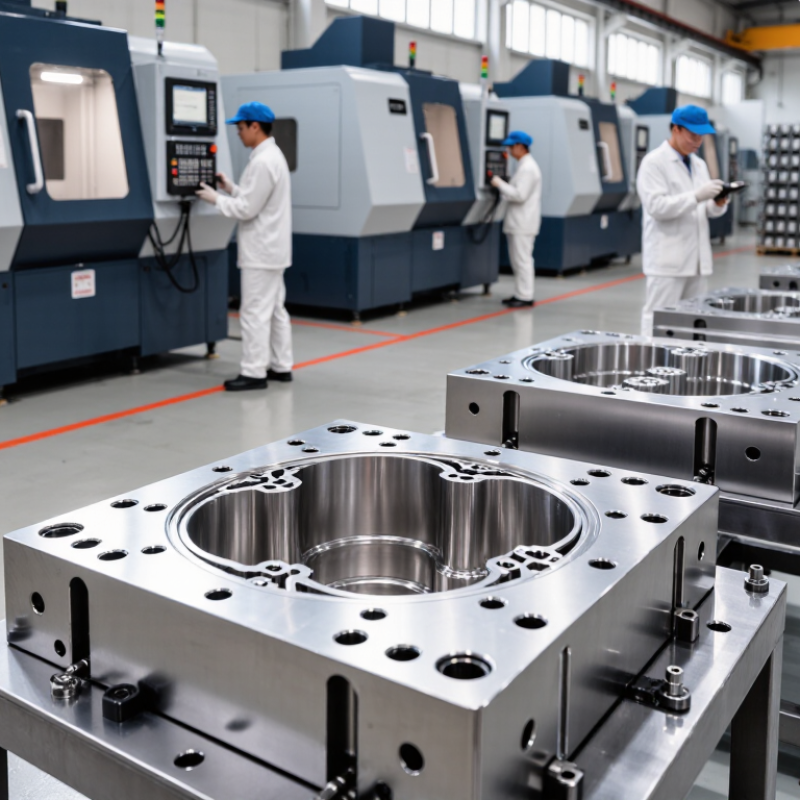
An electric meter mold manufacturer turns a product design into tooling for repeatable plastic parts. The work often begins with reviewing drawings, material choices, wall thickness, and assembly points. Engineers check whether the housing can fill evenly without weak corners or visible sink marks. They then design the mold, including its cavity, cooling channels, and ejection system. Skilled machinists cut and finish the steel components. Small details matter: a poorly placed gate can leave a mark near a screw boss. A first trial rarely answers every question.

During sampling, technicians run the mold and inspect parts for dimensions, fit, surface quality, and warping. They may adjust cooling, pressure, or venting before production. Reliable manufacturers document changes and communicate limits clearly. For example, they should explain how resin shrinkage may affect a clip or cover fit. Not every issue disappears quickly. Some designs need revision, and that should be discussed openly.

Tips: Share the latest drawings and expected production volume before requesting a quote. Ask how samples are measured and how mold changes are recorded. A clear inspection plan helps prevent avoidable surprises. Keep one sample from each approved trial; it can make later comparisons easier.

How Electric Meter Molds Are Designed and Produced

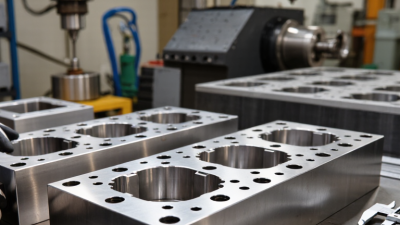
Designing an electric meter mold begins with the product’s shape, material, and production volume. Engineers review wall thickness, mounting points, screw posts, and openings for displays or terminals. These details affect how plastic fills the cavity and whether the finished housing fits its components. Small details matter.

A 3D model helps identify weak areas before steel is cut. Mold-flow analysis can reveal trapped air, uneven cooling, or likely sink marks. The team then plans gates, vents, cooling channels, and the parting line. Mold steel is selected according to expected production demand and maintenance needs. The design may look clean on screen, but a simulation cannot catch everything.

Production usually combines CNC machining, electrical discharge machining, and careful polishing. After assembly, trial shots let technicians check dimensions, surface finish, and fit. They may adjust vent depth or cooling settings when parts warp or show visible flow marks. Not every first sample is right. That is normal, though repeated corrections can signal a design issue worth revisiting. A capable manufacturer should document these tests and explain changes clearly. Reliable records and consistent sampling offer practical evidence of process control.

Key Criteria for Evaluating Chinese Mold Manufacturers

China offers a broad manufacturing base: UNIDO’s International Yearbook of Industrial Statistics 2024 put its share of global manufacturing value added at about 32% in 2022. Scale creates options, not assurance. For an electric meter mold, ask for steel certificates, cavity-layout drawings, and dimensional inspection records. Check critical details, such as terminal spacing and enclosure fit, against your own drawings. Ask to see trial-shot samples and the measurement method used. Numbers need context.

ISO’s 2022 Survey recorded 1,265,216 valid ISO 9001 certificates worldwide. Certification can indicate documented processes, but it does not prove a mold meets tight tolerances. Request a control plan, maintenance schedule, and traceability for key components. Ask how the maker handles flash, sink marks, or inconsistent ejection during testing. Ask for evidence. Compare the quoted tool life and lead time with past project records, not promises alone. Even a thorough checklist can miss problems; a witnessed trial and clear acceptance criteria help expose them before production. I would also check how quickly the team responds when a drawing changes. That detail is easy to overlook.

Capabilities That Distinguish a Leading Manufacturer

A top electric meter mold manufacturer is distinguished by repeatable precision, not just a polished sample. Engineers should review enclosure drawings, identify critical dimensions, and check draft, wall thickness, and likely sink marks before cutting steel. Small details matter. Mold-flow analysis can flag weld lines and uneven cooling, while trial shots reveal what software misses. Ask for measured sample parts, cavity-to-cavity comparisons, and documented corrections. A reliable supplier also explains its steel selection, cooling layout, maintenance plan, and process controls in plain terms.

Market pressure makes these capabilities practical, not optional. The International Energy Agency’s Electricity Grids and Secure Energy Transitions (2023) estimates annual grid investment must rise from about $300 billion to over $600 billion by 2030. Its World Energy Investment 2024 report puts grid spending at around $400 billion in 2024. Those figures do not measure mold quality, but they show the scale of infrastructure being built and upgraded. For meter enclosures, stable dimensions and durable tooling support consistent assembly and protection. No simulation catches everything; that is worth admitting. A strong manufacturer validates production with real resin, process settings, and repeated sampling, then shares the results—even when a first trial needs correction.

How to Verify a Manufacturer’s Quality and Experience

Who Is a Top Electric Meter Mold Manufacturer in China?

How to Verify a Manufacturer’s Quality and Experience

A reliable assessment starts with evidence, not a showroom. Ask for mold-flow analysis, steel certificates, cavity layouts, and dimensional inspection records from recent meter-housing projects. Compare sample parts against the approved drawings, especially around screw bosses, terminal openings, and thin wall sections. A coordinate-measuring machine report is useful only when its gauges are calibrated and the measurement points are clear. A certificate alone is not proof. Check its scope, validity, and issuing body, then speak with customers who have used the tooling through repeated production runs.

Production history matters because small defects can multiply across cavities. Request trial-shot records, cycle-time data, reject rates, and maintenance logs; confirm that the figures relate to the same mold design.

The U.S. Energy Information Administration’s 2022 Form EIA-861 data counted about 119 million advanced meters, showing the scale of the metering market and the need for consistent parts.

For technical checks, ask how the manufacturer tests tooling and molded samples against relevant IEC 62052 and IEC 62053 requirements. These standards address meter equipment and performance, not mold quality itself. That distinction is easy to miss. I would also treat a polished factory tour cautiously: it may not reveal how closely process settings are controlled between batches.