Leave Your Message

7 Best Air Conditioning Mold Removal Products?

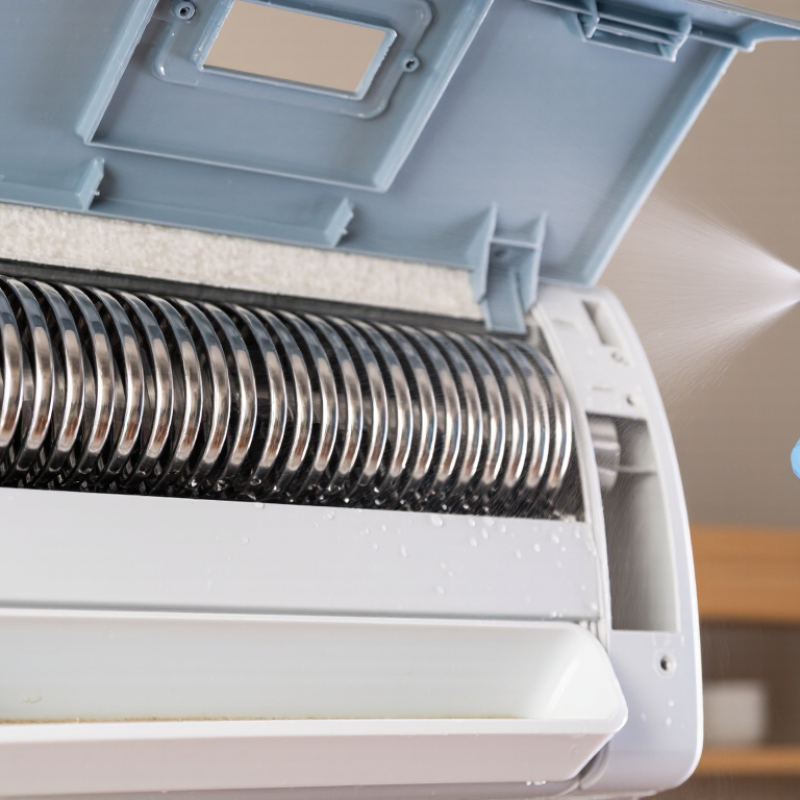
Choosing among the 7 Best Air Conditioning Mold Removal Products requires more than comparing spray bottles. Mold inside an air conditioner often appears around damp coils, drain pans, insulation, or blocked condensate lines. A product may clean a visible surface, yet leave moisture trapped behind it. That is where the problem can quietly return.

Mold-remediation expert Michael Pinto has stated, “The key to mold control is moisture control.” His point remains practical. A cleaner cannot replace proper drainage, airflow, filtration, or professional inspection. Look for products designed for HVAC materials, clear application instructions, and evidence supporting safe use around occupied spaces. Always check whether the label permits use on coils, ducts, plastic housings, or insulation.

The strongest options should loosen residue, reduce odors, and support routine maintenance without damaging sensitive components. Some formulas work well on hard surfaces but perform poorly on porous insulation. Others smell mild but offer limited cleaning power. No product is perfect. That is worth remembering.

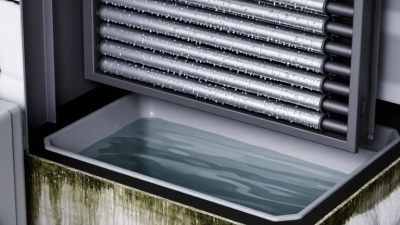
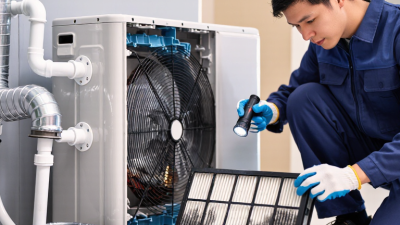
This guide compares seven commonly considered solutions by effectiveness, material compatibility, application method, safety information, and practical value. We also consider the mess left behind, including dirty runoff in a shallow drain pan. A flashlight can reveal what marketing photos cannot. If contamination covers extensive areas, returns quickly, or affects people with respiratory sensitivities, stop experimenting and seek a qualified HVAC or mold professional. A cleaner may help. It should never hide the underlying moisture failure.
7 Best Air Conditioning Mold Removal Products?

What Causes Mold to Grow Inside Air Conditioning Systems

Mold inside an air-conditioning system usually begins with moisture, not dirt. The U.S. Environmental Protection Agency recommends keeping indoor relative humidity between 30% and 50%. It also advises maintaining levels below 60% whenever possible. When humidity stays high, cooling coils, drain pans, and insulated ducts can remain damp for hours. Condensation forms when warm air contacts cold coil surfaces. Dust then collects on that moisture, creating a nutrient-rich film for mold growth. Poorly sloped drain pans can hold standing water. Clogged condensate lines make the problem worse.

Air leakage is another overlooked cause. Unsealed return ducts may pull humid air from crawl spaces, wall cavities, or unfinished areas. Weak airflow can also leave parts of the coil wet after shutdown. ASHRAE Standard 62.1 links effective ventilation with indoor air quality and moisture management, but ventilation alone cannot correct a leaking drain pan. It is easy to blame the filter. That is often incomplete. A filter may catch airborne particles while hidden moisture continues feeding growth behind the grille.

Professional inspection should check humidity, coil cleanliness, drain-pan slope, insulation, and airflow together. NADCA’s ACR standard emphasizes source control and proper HVAC assessment before cleaning. Mold-removal products may help on accessible, compatible surfaces, but they cannot repair condensation or drainage failures. Chemical treatment without moisture correction can create a cleaner-looking system that soon becomes contaminated again. Technicians should follow the equipment manufacturer’s safety instructions and verify that the area is fully dry. Even experienced teams can miss insulation that looks dry outside. That detail deserves a second look.
How to Choose an Effective Air Conditioning Mold Removal Product

How to Choose an Effective Air Conditioning Mold Removal Product

An effective air conditioning mold removal product should match the contaminated surface. Coil fins, drain pans, plastic housings, and insulation need different treatment. Look for clear instructions, contact time, ventilation requirements, and surface compatibility. In practice, the strongest smell does not prove stronger performance. A product labeled for HVAC equipment is a safer starting point than a general household cleaner. Never apply liquid to energized equipment.

Moisture control matters more than fragrance. The U.S. Environmental Protection Agency recommends keeping indoor relative humidity between 30% and 50%. A cheap hygrometer can reveal why mold returns after cleaning. EPA guidance also suggests that moldy areas under about 10 square feet may often be handled by occupants, while larger contamination may require trained professionals. That threshold is practical, but not perfect. Hidden growth can make a small visible patch misleading.

Check whether the product supports physical removal, not just odor reduction. The World Health Organization’s 2009 review links damp indoor environments with respiratory symptoms and asthma development. Therefore, choose products with accessible safety data and avoid unverified claims such as “permanent elimination.” Porous insulation may need replacement, because a liquid treatment cannot reliably reach every embedded spore. Wear suitable eye and respiratory protection, and stop if symptoms occur. The label deserves careful reading.

7 Best Air Conditioning Mold Removal Products? - How to Choose an Effective Air Conditioning Mold Removal Product

No. Product Type Typical Active Ingredient or Technology Best Application Suitable HVAC Surfaces Main Advantages Important Limitations Selection and Safety Notes
1 Hydrogen Peroxide Cleaner Hydrogen peroxide, usually supplied as a ready-to-use or diluted cleaning solution Light to moderate surface mold and organic residue on accessible, washable components Coated metal, hard plastic, drain pans, and other nonporous surfaces when label-approved Breaks down into water and oxygen; generally leaves less persistent odor than chlorine products May discolor fabrics or damage sensitive materials; effectiveness depends on concentration and contact time Use only according to the product label. Provide ventilation and wear gloves and eye protection.
2 Quaternary Ammonium Cleaner Quaternary ammonium compounds, often combined with detergents Cleaning and treating hard, nonporous HVAC surfaces where the label specifically permits mold or mildew use Metal and hard plastic surfaces; verify compatibility with aluminum coils and coatings Useful for routine sanitation and soil removal when used at the required dilution and wet contact time Residue can remain if improperly rinsed; some formulas are corrosive or irritating at higher concentrations Do not mix with other cleaners. Confirm that the label permits use inside air-conditioning equipment.
3 EPA-Registered Mold and Mildew Disinfectant A registered antimicrobial formulation with a mold or mildew claim on its approved label Hard-surface remediation where a verified antimicrobial claim and defined contact time are needed Only the surfaces specifically listed on the product label Provides clearer directions for dilution, application, contact time, and safety than general-purpose cleaners Registration does not mean it is suitable for every HVAC component or for porous insulation Check the local regulatory registration, use-site directions, re-entry instructions, and required personal protective equipment.
4 Foaming Evaporator-Coil Cleaner Detergent or alkaline cleaning agents designed to lift dust, grease, and biological buildup from coils Removing soil that supports microbial growth on evaporator coils and condensate areas Metal coils and drain pans only when the formula is approved for the specific coil material Foam can reach between coil fins and help loosen embedded dirt A coil cleaner is not automatically a mold killer; some formulas require thorough rinsing and may damage aluminum Disconnect power before service. Protect electrical parts and follow the manufacturer’s rinsing instructions.
5 Non-Chlorine Oxygen Cleaner Peroxide-based or oxygen-releasing cleaning chemistry General cleaning of removable, washable, nonporous parts with visible organic staining Hard plastic, coated metal, and removable drain-pan components after compatibility testing Less likely than chlorine bleach to create strong chlorine odor or chlorinated residues Not appropriate for every coil coating, filter type, insulation, or sealed electrical component Test on a small hidden area first and never apply liquid to energized equipment.
6 HEPA Vacuum with a Mild Detergent True HEPA filtration combined with damp wiping and a neutral detergent Removing loose mold-contaminated dust from accessible surfaces before wet cleaning Dry, hard, accessible surfaces; removable grilles and covers after cleaning Captures particulate debris without dispersing as much dust as ordinary vacuuming A HEPA vacuum does not kill mold or remove growth hidden inside insulation, ducts, or porous materials Use respiratory protection as appropriate and avoid dry brushing. Follow proper filter disposal procedures.
7 Replacement Filter and Condensate-Pan Treatment A correctly sized HVAC filter plus a label-approved pan tablet or drain treatment Preventing recurring buildup after the system has been properly cleaned and moisture problems corrected Filter compartment and condensate pan or drain line, subject to equipment instructions Helps control airborne particles and reduces standing-water conditions that support microbial growth Prevention products cannot remove established mold from coils, ducts, insulation, or building materials Choose the filter size and efficiency specified for the system; excessive restriction can reduce airflow.
Buying Checklist: Select a product with clear HVAC use directions, a stated surface compatibility list, a defined wet contact time, low corrosion risk, and complete personal protective equipment instructions. Do not mix cleaning chemicals, and do not apply liquids to energized electrical components.
Important: If mold is inside duct insulation, extensively contaminates the HVAC system, repeatedly returns, or covers a large area, stop operating the system when practical and consult a qualified HVAC or mold-remediation professional. Porous mold-contaminated materials often require removal rather than surface treatment.

Seven Types of Products for Removing Mold from Air Conditioners

Air-conditioner mold rarely needs one miracle product. It needs the right product for each surface. The seven useful types are a HEPA vacuum, coil cleaner, antimicrobial spray, hydrogen-peroxide cleaner, drain-pan tablet, soft nylon brush, and moisture meter. A HEPA vacuum captures loose spores around filters and vents. A non-corrosive coil cleaner reaches greasy fins. An antimicrobial spray can treat approved plastic surfaces, while peroxide-based cleaner may help with light, visible growth. Use drain-pan tablets only when the label permits them. A soft brush lifts residue without bending fins. A moisture meter helps locate damp insulation or hidden leakage.

Small details matter.

EPA’s Mold Remediation in Schools and Commercial Buildings guidance emphasizes moisture control, not surface treatment alone. EPA also advises keeping indoor relative humidity below 60%, preferably between 30% and 50%. That target is practical: a cold coil, wet drain pan, and dusty filter can create a miniature greenhouse inside the cabinet. Never mix cleaning chemicals. Check electrical isolation, material compatibility, ventilation, and label directions before application.

Professional cleaning standards from the National Air Duct Cleaners Association stress source removal and system protection. That matches field observations: mold often returns when condensate drains remain blocked. A cleaner alone feels satisfying, but it may be false progress. Replace heavily contaminated porous insulation when cleaning cannot reach its core. Wear gloves, eye protection, and a suitable respirator during visible growth removal. If contamination is extensive or repeatedly returns, an HVAC or indoor-environment professional should inspect the system. EPA notes that indoor pollutant levels can sometimes be two to five times higher than outdoors, making careless disturbance a poor experiment.

How to Use Mold Removal Products Safely and Correctly

7 Best Air Conditioning Mold Removal Products?

How to Use Mold Removal Products Safely and Correctly

Mold removal begins with the right product and a careful inspection. Useful choices include an HVAC-safe foaming coil cleaner, a mild detergent, an enzyme-based cleaner, and a hydrogen peroxide solution. A registered disinfectant may help on hard, nonporous surfaces. A HEPA vacuum and moisture meter are also valuable tools. Do not treat these products as interchangeable. Always read the label and confirm compatibility with coils, drain pans, insulation, and plastic parts.

Safety comes first. Turn off the system at the breaker before opening any panel. Wear gloves, sealed eye protection, and a properly fitted respirator when disturbing visible mold. Improve ventilation, but avoid spreading spores through occupied rooms. Never mix cleaners, especially bleach with ammonia or acidic products. Apply only the amount directed, then allow the stated contact time. Rushing reduces effectiveness.

Dry the area completely before restarting the unit. Mold often returns because a clogged drain, wet insulation, or poor airflow remains unresolved. A practical check is to inspect the drain pan after cleaning. It should be clean and dry, not simply odor-free. Small mistakes happen, even during careful work. If contamination covers a large area, enters porous insulation, or causes breathing irritation, stop and contact a qualified HVAC or remediation professional. Surface cleaning alone may not solve the source.

How to Prevent Mold from Returning After Treatment

Mold usually returns because moisture remains inside the air-conditioning system. Cleaning visible growth is only part of the job. Inspect the evaporator coil, drain pan, condensate line, filter, and nearby insulation. A small drip under the pan can keep the cabinet damp for days.

Moisture wins.

Use only a cleaner labeled for the specific HVAC surface. Follow its contact time and ventilation instructions. Never mix cleaning chemicals. A HEPA vacuum can remove loose, dry debris, but damaged insulation may need professional replacement. Keep indoor humidity near 30–50% with a reliable hygrometer.

Not always. A certified HVAC technician should check hidden coil areas and confirm that the drain line flows freely.

Replace or clean the filter according to system instructions, especially during heavy cooling months. Check the drain pan monthly for standing water, rust, or a sour smell. Keep furniture and storage away from return vents, so air can move without restriction.

Poor airflow can create cold, wet surfaces that encourage new growth. It is tempting to rely on stronger products, but moisture control usually matters more.

I would also recheck the system after two weeks, because one inspection can miss a slow leak. If mold returns quickly, investigate oversized equipment, blocked drainage, leaking ducts, or wet insulation instead of repeating surface treatment.